Key Takeaways
- Overview of scaffolding frame types, materials, and applications in high-rise projects.
- Detailed analysis of load-bearing capacities, installation techniques, and maintenance.
- Comparison of steel, aluminum, and hybrid scaffolding frames for optimal project selection.
- Safety standards, certifications, and regulatory compliance.
- Cost analysis, budget planning, and ROI calculations for modern construction.
- Real-world case studies from major international high-rise projects.
- Emerging technologies in smart scaffolding monitoring and eco-friendly materials.
- FAQ addressing common concerns and practical guidance for professionals.
Introduction
High-rise construction is expanding rapidly worldwide, driven by urbanization, commercial demand, and vertical living solutions. In 2026, over 3,500 skyscrapers are under construction globally, according to the Council on Tall Buildings and Urban Habitat (CTBUH). Scaffolding frames are essential to the safe and efficient completion of these projects, as they provide temporary access, structural support, and stability for workers and materials.
The choice of scaffolding frames is no longer limited to simple steel structures. Modern high-rise projects demand modular, high-load, and eco-conscious systems that meet strict safety and efficiency requirements. According to Global Construction Review, using modular scaffolding frames can increase installation efficiency by 30% while reducing worker-related incidents by 15%, making the selection process crucial for any project manager.
Table of Contents
What is a Scaffolding Frame?
Definition and Purpose
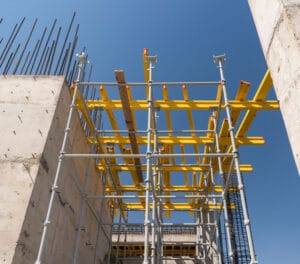
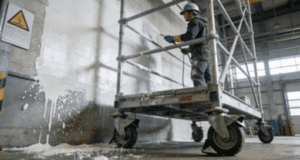
A scaffolding frame is a temporary support structure used in construction to provide:
- Safe platforms for elevated work.
- Storage and transport of construction materials.
- Structural stability to prevent accidents and delays.
Core Components
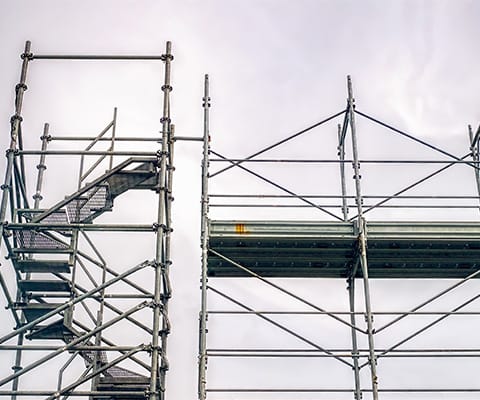
- Vertical Standards: Primary load-bearing elements.
- Horizontal Ledgers: Provide lateral support and connect standards.
- Braces: Diagonal or cross braces prevent swaying and wind damage.
- Decking or Planks: Platforms for workers and materials, designed for safety and durability.
Insight: The integrity of a scaffolding frame is determined by the quality of components, connections, and installation practices, making proper planning essential.
Types of Scaffolding Frames
Steel Tube and Coupler Scaffolding
- Traditional scaffolding using steel tubes and couplers.
- Pros: Highly customizable, strong, can support heavy loads.
- Cons: Labor-intensive assembly, heavy, more transportation effort.
- Case Study: The Shanghai Tower utilized over 15,000 steel tube sections, ensuring stability during high-wind construction phases.
Modular/Prefabricated Scaffolding Frames
- Factory-made frames with standardized connectors for fast assembly.
- Pros: Reduces installation time by 30–40%, reusable, precise engineering.
- Cons: Higher upfront costs, requires precise planning.
- Example: Burj Khalifa façade works used modular scaffolding frames to allow crane-assisted deployment, cutting installation time by 25%.
Lightweight Aluminum Scaffolding Frames
- Aluminum frames for easy handling and reduced labor strain.
- Pros: Lightweight, corrosion-resistant, ideal for rapid assembly.
- Cons: Lower load capacity compared to steel; may require reinforcement for high-rise projects.
- Real-World Example: London Shard renovation projects used aluminum scaffolds for temporary access and interior finishing tasks.
Hybrid Scaffolding Frames
- Combination of steel and aluminum for optimized performance.
- Pros: Combines strength and lightweight features, suitable for multi-purpose use.
- Cons: Complex engineering and slightly higher cost.
Material Selection and Load Considerations
Steel vs Aluminum vs Hybrid
| Material | Weight | Load Capacity | Durability | Cost | Best Use Case |
|---|---|---|---|---|---|
| Steel | Heavy | Very High | High | Medium | High-rise, heavy equipment support |
| Aluminum | Light | Medium | Medium | Higher | Fast deployment, moderate loads |
| Hybrid | Medium | High | High | High | Flexible urban construction |
Insight: Steel remains the most reliable for skyscrapers and heavy-duty projects, while aluminum and hybrid systems enhance mobility and reduce labor costs in modular or interior applications.
Load-Bearing Ratings
- Static Load: Maximum weight without movement.
- Dynamic Load: Includes workers, materials, and equipment.
- Safety Margin: Regulations typically require 1.5× the calculated load, particularly for high-rise scaffolds exposed to wind forces.
Standards for Load Testing
- EN 12810 / EN 12811 (Europe): Performance standards for temporary works and scaffolding.
- OSHA 1926 Subpart L (USA): Safety requirements including load capacities and fall protection.
- ISO 9001: Ensures quality management in manufacturing and materials testing.
Design Considerations for High-Rise Scaffolding
Frame Height and Modular Expansion
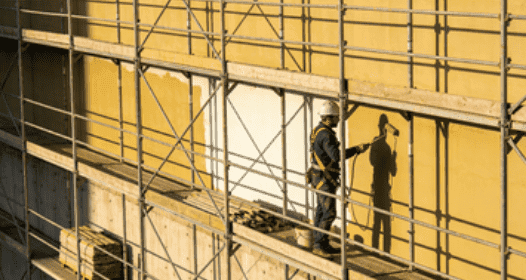
- Adjustable frame heights allow scaffolding to adapt as buildings rise.
- Modular kits reduce on-site error and simplify multi-floor setups.
Wind Resistance and Bracing
- Diagonal braces increase lateral stability.
- Guardrails and tie-ins secure scaffolds against strong gusts.
- Example: The Petronas Towers renovation used additional wind bracing to comply with local hurricane-force wind standards.
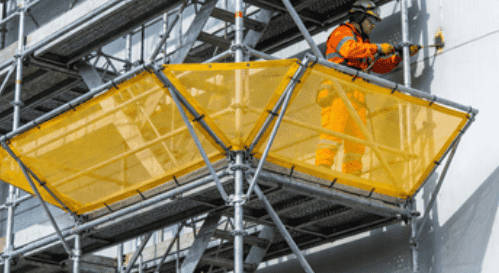
Access and Platform Safety
- Integrated ladders, stairs, and anti-slip decking improve safety.
- Toe boards and guardrails prevent accidental drops of tools or materials.
Installation Guidelines
Preparing the Construction Site
- Inspect ground for stability; use adjustable screw jacks or base plates.
- Verify frame components for defects or damage before assembly.
Assembly Steps
- Place base plates and leveling jacks.
- Install vertical standards and connect horizontal ledgers.
- Secure diagonal braces for lateral stability.
- Install decking platforms and guardrails.
- Check vertical alignment and ensure even load distribution.
Maintenance During Use
- Weekly inspection of joints and braces.
- Replace corroded or damaged components immediately.
- Maintain clean and clear platforms to prevent accidents.
Cost Analysis and Market Trends
Factors Affecting Scaffolding Frame Price
- Material type and quality.
- Number of floors and total scaffolding area.
- Modular vs custom design complexity.
- Regional labor, transportation, and shipping costs.
Average 2026 Market Prices (USD per frame)
| Frame Type | Price | Typical Use |
|---|---|---|
| Steel Standard | 150–250 | High-load urban scaffolds |
| Aluminum Modular | 300–450 | Fast assembly, moderate loads |
| Prefabricated Multi-Level | 500–800 | Skyscrapers and multi-story projects |
ROI Considerations
- Modular scaffolding frames can achieve ROI within 1–2 projects due to labor savings and efficiency improvements.
- Steel frames provide long-term durability and can last 15–20 years with proper maintenance.
Innovations and Emerging Trends
Smart Scaffolding Monitoring
- Real-time sensors track load distribution, stability, and worker activity.
- Alerts sent to site managers reduce accidents and downtime.
Eco-Friendly and Sustainable Frames
- Recycled steel reduces environmental impact.
- Low-emission coatings and anodized aluminum improve durability and indoor air quality.
Prefabricated Modular Kits
- CNC-engineered components ensure precise fitting.
- Reduces waste, assembly time, and human error on high-rise projects.
Real-World Case Studies
Downtown Skyscraper, New York
- Frames Used: Prefabricated steel scaffolding frames.
- Height: 60 stories.
- Outcome: Installation time cut by 25%; zero scaffold-related accidents.
Dubai Luxury Tower
- Frames Used: Aluminum modular scaffolds for façade installation.
- Outcome: 30% faster worker access; lighter frames allowed crane-assisted deployment.
Shanghai Tower Maintenance
- Frames Used: Steel tube and coupler scaffolds for exterior cleaning.
- Outcome: Supported heavy equipment at 600m height; met EN 12811 and OSHA standards.
Technical Standards and Certifications
- OSHA 1926.451–454 – Scaffold safety regulations in the US.
- EN 12811-1 – European performance requirements for scaffolds.
- ISO 9001:2015 – Quality management system compliance.
- ASTM E84 – Fire safety testing for construction materials.
- CSA S269.2 (Canada) – Structural integrity and load rating standards.
Insight: Compliance ensures safety, liability coverage, and approval by regulatory authorities for high-rise projects.
FAQ
Q1: Can scaffolding frames be used in high winds?
A1: Yes, with diagonal bracing, guardrails, and tie-ins, scaffolding frames meet safety codes for high-rise projects.
Q2: How long do steel scaffolding frames last?
A2: Properly maintained steel frames last 15–20 years; aluminum frames may last 10–15 years depending on exposure and use.
Q3: Are modular frames worth the cost?
A3: Modular frames reduce labor costs, installation time, and errors—ROI is often achieved within one large project.
Q4: Can scaffolding frames be reused across projects?
A4: Yes, high-quality steel and modular frames are designed for multiple projects, reducing long-term costs.
Q5: What is the best scaffolding frame for skyscrapers?
A5: Steel prefabricated frames with modular design provide the best combination of strength, durability, and installation efficiency.
Q6: Do smart monitoring systems improve safety?
A6: Yes, sensors tracking load and stability help prevent accidents and improve compliance with safety regulations.
Conclusion
Selecting the right scaffolding frame is a strategic decision that impacts safety, efficiency, and costs in high-rise construction. Modern frames in 2026 combine:
- Modular designs for quick assembly
- High-strength steel or hybrid materials
- Smart monitoring and safety features
- Eco-friendly manufacturing
Investing in advanced scaffolding frames ensures faster construction, reduced accidents, long-term ROI, and compliance with international safety standards. By understanding material properties, installation practices, cost factors, and emerging technologies, construction managers can make informed, future-ready choices.
Thank you for reading! We hope our insights help you work safely and efficiently with frame scaffolds and other construction equipment. For more updates, tips, and discussions, connect with us on Facebook.
Join our community to stay informed, share experiences, and engage with fellow professionals in the scaffolding industry.