Table of Contents
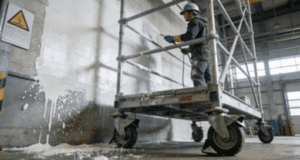
Choosing the right pipe clamp is critical for ensuring the safety, stability, and efficiency of your construction or industrial projects. Pipe clamps are widely used to secure scaffolding, handrails, temporary structures, and various types of industrial equipment. Selecting between a stainless steel tube clamp and a regular steel pipe clamp can have a significant impact on the durability and longevity of your installation, as well as on safety performance. This article provides a comprehensive overview of pipe clamps, their types, materials, and practical guidance to help you make an informed choice.
Introduction
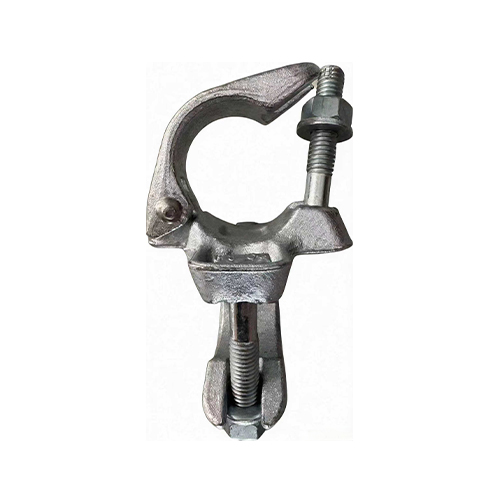
Pipe clamps play a pivotal role in connecting and stabilizing tubular structures. Poorly chosen or installed clamps can compromise safety, reduce load-bearing capacity, and increase maintenance costs. By understanding the differences between stainless steel and regular tube clamps, you can optimize your project for both reliability and cost-effectiveness.
What Is a Tube Clamp?
A pipe clamp is a mechanical fastening device designed to join or secure tubular components. It ensures that tubes remain firmly in place under load, while providing flexibility for adjustments or reconfigurations. Pipe clamps are commonly found in scaffolding systems, railing structures, and industrial frameworks. The primary benefits include load support, improved structural stability, and ease of assembly and disassembly for temporary or permanent setups.
Types of Tube Clamps
Pipe clamps come in several forms, each suited to specific tasks:
- Fixed tube clamps: Provide a rigid connection at a set angle.
- Swivel clamps: Allow adjustable angles for complex structures.
- Coupler clamps: Connect two tubes at right angles.
- Adjustable tube clamps: Offer flexibility for varying tube diameters and orientations.
Here’s a quick comparison table to illustrate the differences:
| Tube Clamp Type | Key Feature | Ideal Use Case | Material Options |
|---|---|---|---|
| Fixed Clamp | Rigid, stable | Standard scaffolding | Steel, Aluminum |
| Swivel Clamp | Adjustable angles | Complex structures or multi-direction | Steel, Stainless Steel |
| Coupler Clamp | Connects tubes at right angles | Frame connections | Steel, Stainless Steel |
| Adjustable Clamp | Flexible diameter & angle | Custom scaffolds or temporary setups | Steel, Aluminum |
This table demonstrates how selecting the correct type can improve both installation efficiency and structural integrity.
Materials Used in Tube Clamps
Material choice directly affects strength, durability, and environmental resistance. Common materials include:
- Stainless Steel: Offers excellent corrosion resistance, ideal for outdoor or harsh environments. It is long-lasting and requires minimal maintenance.
- Regular Steel: Provides high strength at a lower cost but may require protective coatings to prevent rust in outdoor or humid conditions.
- Aluminum: Lightweight and portable, suited for temporary structures where mobility is key.
According to industrial reports, stainless steel pipe clamps can last up to twice as long as standard steel clamps in outdoor applications, reducing long-term replacement costs and improving safety compliance.
Stainless Steel Tube Clamp vs Regular Tube Clamp
When comparing stainless steel and regular tube clamps, several factors come into play:
Durability: Stainless steel resists rust and corrosion, making it suitable for outdoor or high-moisture environments, while regular steel is more prone to degradation without protective coatings.
Load Capacity: Both materials can support significant loads, but stainless steel maintains structural integrity longer under harsh conditions.
Application Suitability: Stainless steel clamps excel in environments where corrosion is a concern, such as outdoor scaffolds, waterfront projects, or chemical plants. Regular steel clamps are suitable for controlled indoor environments or short-term applications.
Installation and Safety Tips for Tube Clamps
Proper installation is essential to maximize the performance of pipe clamps:
- Align tubes accurately before tightening clamps.
- Tighten bolts evenly to avoid uneven stress.
- Inspect clamps regularly for wear, rust, or damage.
- Replace worn or deformed clamps promptly to maintain structural safety.
- Follow manufacturer guidelines and safety regulations for assembly.
Avoiding common mistakes, such as overloading clamps or using mismatched materials, can prevent accidents and costly structural failures.
Applications of Tube Clamps in Construction and Industry
Pipe clamps are versatile and widely used across sectors:
- Scaffolding Systems: Securely join horizontal and vertical tubes to create stable platforms.
- Railing and Safety Barriers: Maintain safety compliance on walkways and work areas.
- Temporary Structures: Build flexible stages, tents, and frameworks for events or maintenance tasks.
- Industrial Equipment: Support piping, conveyor systems, and machine frameworks.
Their adaptability makes pipe clamps an essential tool for both temporary and permanent installations.
Buying Guide: Choosing the Right Tube Clamp for Your Needs
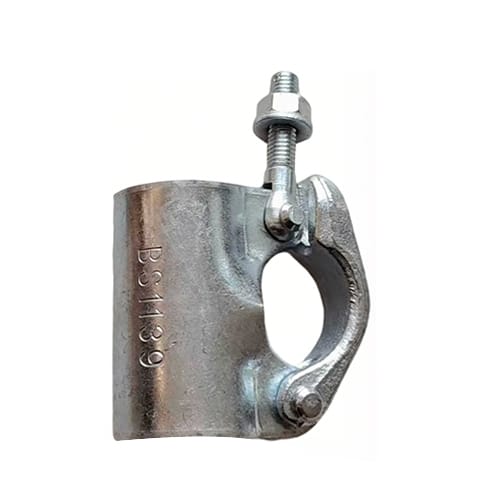
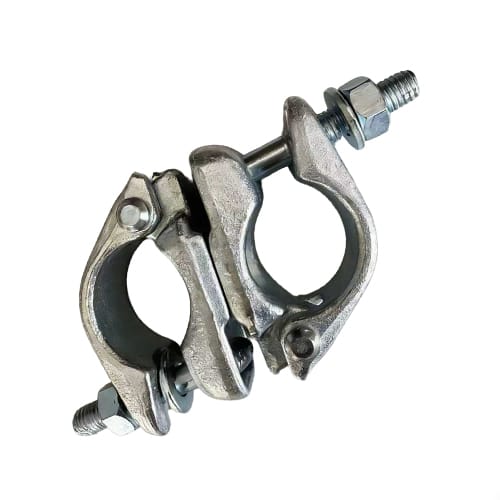
When selecting a pipe clamp, consider:
- The material and environmental resistance needed.
- The type of connection and angle required.
- Load capacity and safety compliance.
- Project duration and maintenance expectations.
Purchasing from reliable suppliers ensures quality, certification, and performance, which is crucial for both safety and project efficiency.
Conclusion
Choosing between stainless steel pipe clamps and regular tube clamps depends on your project’s environment, load requirements, and longevity expectations. Stainless steel offers superior corrosion resistance and long-term durability, while regular steel can be a cost-effective solution for controlled environments. By understanding types, materials, and proper installation practices, you can optimize safety, efficiency, and structural reliability in every project.
FAQ
What is a tube clamp?
A pipe clamp is a device used to join, secure, or stabilize tubular structures. It ensures tubes stay firmly in place while supporting loads and can be used in scaffolding, railing, and industrial frameworks for safety and structural integrity.
What types of pipe clamps are available?
Common types include fixed clamps, swivel clamps, coupler clamps, and adjustable clamps. Each type serves specific purposes, such as rigid connections, angled adjustments, or custom diameter fittings for scaffolding, temporary frameworks, and industrial applications.
How do stainless steel and regular pipe clamps differ?
Stainless steel pipe clamps resist rust and corrosion, making them ideal for outdoor or humid environments. Regular steel clamps are more cost-effective but may require coatings to prevent corrosion. Both provide strong load support but differ in durability and maintenance needs.
Where are tube clamps commonly used?
Pipe clamps are widely used in scaffolding systems, safety railings, temporary event structures, and industrial equipment frameworks. They provide secure connections, support heavy loads, and allow quick assembly and disassembly of modular structures.
How should tube clamps be maintained?
Inspect clamps regularly for wear, corrosion, and loose bolts. Clean debris from tube surfaces, tighten all fasteners evenly, and replace any damaged or deformed clamps immediately to maintain structural safety and prolong the lifespan of your setup.
Need Help Choosing the Right Tube Clamp?
If you’re unsure about which pipe clamp is best for your scaffolding, railing, or industrial project, our experts are here to help. Contact us today for a personalized consultation, and ensure your structures are safe, stable, and long-lasting. Don’t wait until it’s too late—get in touch now to protect your project and your team!