Table of Contents
Introduction
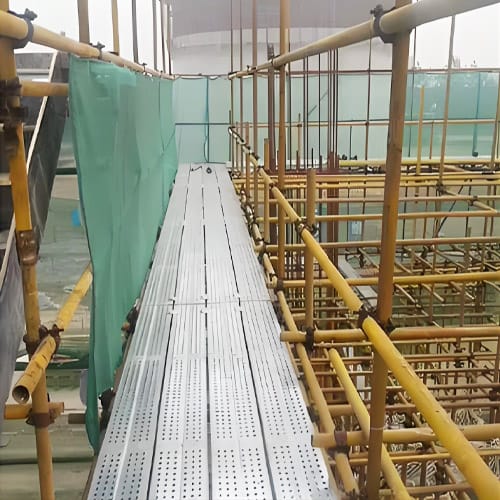
Scaffold wooden boards is a fundamental component in construction scaffolding systems, providing workers with a stable and secure working platform at height. The quality of scaffold planks wood directly affects job site safety, efficiency, and structural reliability. Choosing the right material, understanding its applications, and following proper safety practices can significantly reduce construction risks and improve overall project performance.
What Is Scaffold Planks Wood?
Scaffold wooden boards refers to wooden boards placed across scaffolding frames to create working platforms. These planks support workers, tools, and construction materials during building, maintenance, and repair tasks. Because they are a direct load-bearing surface, their strength and quality are critical for safety.
Industry safety evaluations consistently show that many scaffold-related incidents are linked to poor plank condition or incorrect material selection, making proper understanding essential.
Materials Used in Scaffold Planks Wood
Different types of wood are used depending on strength requirements and working environments:
- Softwood
Lightweight and cost-effective, commonly used for light-duty or short-term scaffolding tasks. - Hardwood
Strong and durable, suitable for heavy-duty construction and high-load applications. - Engineered Wood (Laminated Planks)
Made from multiple bonded layers, offering improved strength, stability, and resistance to bending or warping.
Each type of scaffold wooden boards has unique performance characteristics that must match project requirements.
Safety Importance of Scaffold Planks Wood
Safety is the most critical factor when working with scaffold wooden boards. Improper or damaged planks can lead to serious accidents.
Key safety considerations include:
- Ensure planks are free from cracks, splits, or decay
- Avoid using wet or warped wood
- Verify load-bearing capacity before installation
- Ensure full and stable support on scaffold frames
- Replace damaged planks immediately
According to general construction safety reports, platform-related failures are significantly reduced when regular inspection and proper material grading are applied.
Applications of Scaffold Planks Wood
Scaffold wooden boards is widely used across different construction scenarios:
- Building construction platforms
- Exterior maintenance and repair work
- Painting and finishing projects
- Temporary access walkways
- Industrial installation tasks
Its versatility makes it a preferred choice in both small-scale and large-scale projects.
Comparison Table of Scaffold Planks Wood Materials
| Material Type | Strength Level | Weight | Durability | Best Application |
|---|---|---|---|---|
| Softwood | Medium | Light | Medium | Light-duty temporary work |
| Hardwood | High | Heavy | High | Heavy construction projects |
| Laminated Wood | Very High | Medium | Very High | Long-term industrial use |
This comparison helps you quickly understand which scaffold wooden boards type fits your project needs.
Installation and Maintenance Guidelines
Proper installation and maintenance ensure long-term safety and performance:
- Store planks in dry, ventilated environments
- Avoid direct ground contact to prevent moisture damage
- Inspect before every use
- Clean debris and materials after work
- Replace any weakened or damaged planks immediately
Good maintenance practices can significantly extend the lifespan of scaffold wooden boards while ensuring continuous safety compliance.
Key Advantages of Quality Scaffold Planks Wood
Using high-quality scaffold wooden boards offers several benefits:
- Improved worker safety
- Better load stability
- Reduced risk of structural failure
- Longer service life
- Lower long-term maintenance costs
Investing in quality materials is not just about performance—it directly impacts job site safety and efficiency.
Conclusion
Understanding scaffold wooden boards, including its materials, safety requirements, and applications, is essential for any construction project. Whether using softwood, hardwood, or engineered wood, selecting the right type ensures stability and reduces risk. Combined with proper inspection and maintenance, high-quality scaffold planks wood plays a crucial role in building safe and efficient work environments.
FAQ
What is scaffold planks wood used for?
It is used to create stable working platforms on scaffolding systems for construction, maintenance, and repair tasks at height.
What materials are used for scaffold wooden boards?
Common materials include softwood, hardwood, and engineered laminated wood, each offering different strength and durability levels.
How do I ensure scaffold wooden boards is safe?
Check for cracks, warping, moisture damage, and ensure proper load capacity before use. Always follow safety guidelines.
Can scaffold wooden boards be reused?
Yes, if properly maintained and free from damage. Regular inspection is required before reuse.
What is the strongest type of scaffold planks wood?
Hardwood and laminated engineered wood generally provide the highest strength and durability for heavy-duty applications.
Need Help Choosing the Right Scaffold Planks Wood?
If you’re unsure which scaffold planks wood is best for your construction project, our experts are here to help. Contact us today for a personalized consultation, and ensure your scaffolding system is safe, stable, and built to last. Don’t wait until it’s too late—get in touch now to protect your workers and your project!