Table of Contents
Introduction
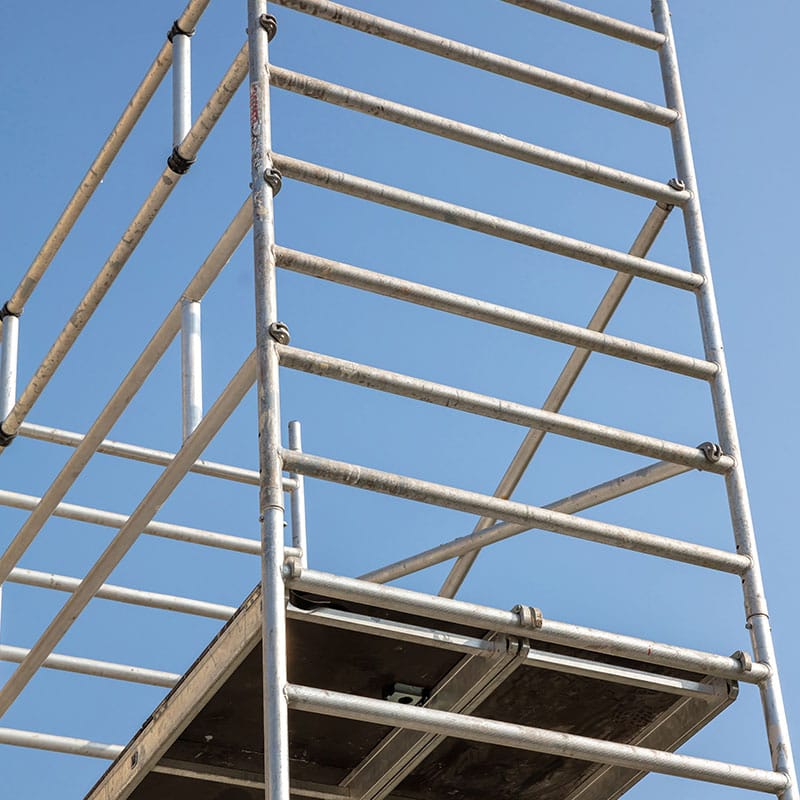
A ladder scaffold plank setup is commonly used in construction and maintenance work where workers need temporary elevated access with limited space. It combines the flexibility of ladders with the working platform provided by planks, creating a practical but high-risk system if not properly installed and maintained. Understanding how ladder scaffolding plank systems work, and how to use them safely, is essential for reducing workplace accidents and improving job efficiency.
What Is a Ladder Scaffolding Plank System?
A ladder scaffold plank system refers to a temporary working platform where scaffold planks are supported by ladders instead of full scaffolding frames. It is typically used for light-duty tasks such as painting, repairs, or short-term installation work.
This system is valued for its portability and quick setup, but it requires strict safety control because ladders are not inherently designed as primary structural supports for elevated platforms.
Common Materials Used in Ladder Scaffolding Planks
The performance of a ladder scaffold plank system depends heavily on plank material selection:
- Wooden planks: Traditional option, cost-effective and widely available, but require inspection for cracks and moisture damage
- Aluminum planks: Lightweight and corrosion-resistant, suitable for frequent movement and outdoor use
- Steel-reinforced planks: High strength and load capacity, used in more demanding industrial environments
Each material affects weight distribution, durability, and safety level, making selection critical based on project conditions.
Key Safety Risks of Ladder Scaffolding Plank Use
Ladder scaffold plank systems carry higher risks compared to full scaffold structures. Common hazards include:
- Uneven load distribution on ladders
- Plank slipping or displacement
- Ladder instability due to lateral force
- Overloading beyond safe working limits
- Insufficient anchoring at contact points
According to general construction safety observations, unstable temporary platforms contribute significantly to fall-related incidents on job sites, especially when improper ladder support systems are used.
Comparison Table: Ladder Scaffolding Plank Materials
| Material Type | Strength Level | Weight | Durability | Safety Level | Best Use Case |
|---|---|---|---|---|---|
| Wooden Planks | Medium | Medium | Medium | Moderate | Light repair work |
| Aluminum Planks | Medium-High | Light | High | High | Mobile maintenance |
| Steel Reinforced | High | Heavy | Very High | High | Industrial tasks |
This comparison helps you understand how different ladder scaffold plank materials affect safety and performance.
Installation Guidelines for Ladder Scaffolding Plank Systems
Proper setup is essential for preventing accidents:
- Always ensure ladders are placed on stable, level ground
- Secure both ladder bases to prevent movement
- Use planks that fully span the ladder support points
- Avoid excessive spacing between support points
- Do not exceed recommended load limits
- Ensure planks are locked or secured to prevent sliding
Even small setup errors can significantly increase the risk of instability.
Maintenance and Inspection Tips
Regular inspection improves safety and extends equipment life:
- Check ladder rungs and side rails for cracks or bending
- Inspect planks for splits, rot, or deformation
- Ensure anti-slip surfaces are intact
- Clean debris and oil from plank surfaces
- Replace any damaged components immediately
A well-maintained ladder scaffold plank system reduces unexpected failures and improves operational safety.
Advantages of Ladder Scaffolding Plank Systems
Despite limitations, these systems offer several benefits:
- Quick setup and dismantling
- Low equipment cost compared to full scaffolding
- Easy transport and storage
- Flexible use for small-scale tasks
- Suitable for indoor and light outdoor applications
However, these advantages must always be balanced against strict safety controls.
When to Avoid Ladder Scaffolding Plank Systems
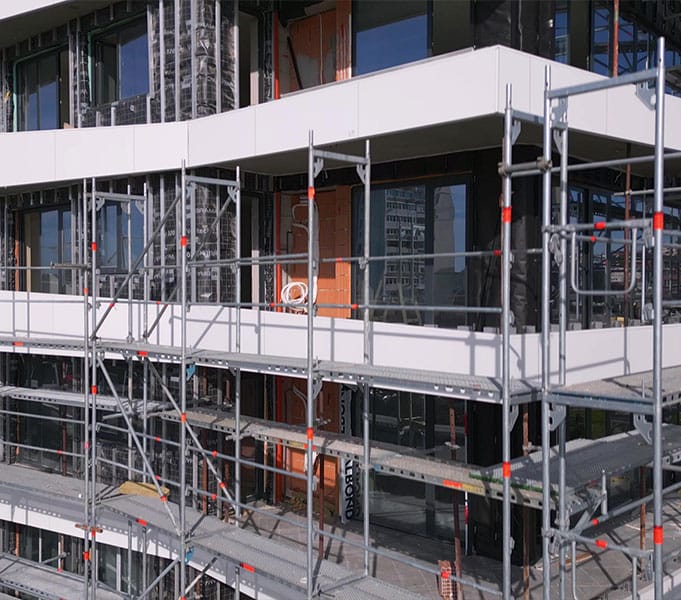
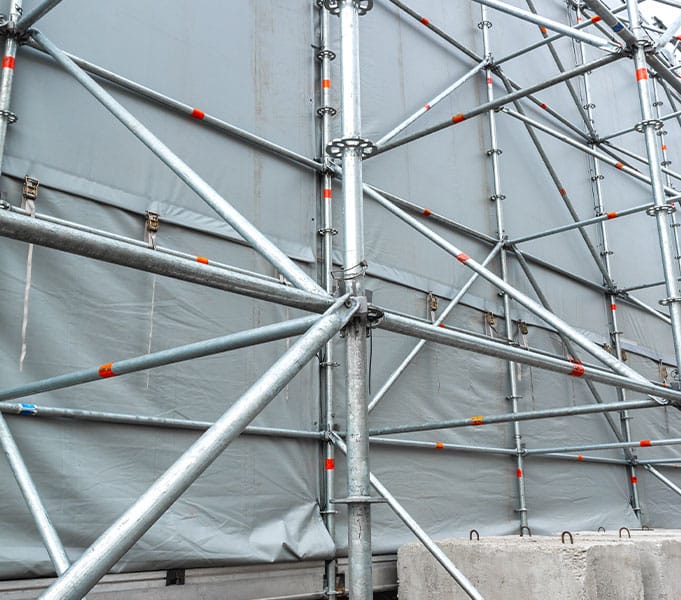
There are situations where this setup should not be used:
- High-rise or heavy construction work
- Tasks requiring heavy material loads
- Long-duration elevated work
- Uneven or unstable ground conditions
- Environments with strong wind or vibration
In such cases, full scaffolding systems provide significantly better safety and stability.
Conclusion
A ladder scaffold plank system can be an efficient solution for light-duty elevated work, but it requires careful planning, correct material selection, and strict adherence to safety practices. Understanding the limitations of ladders as structural support is essential to preventing accidents. By choosing appropriate plank materials, ensuring proper installation, and maintaining equipment regularly, you can significantly improve safety and efficiency on the job site.
FAQ
What is a ladder scaffolding plank used for?
It is used to create a temporary working platform supported by ladders for light construction, maintenance, or repair tasks at height.
Is a ladder scaffold plank safe?
It can be safe when properly installed and used within load limits, but it is riskier than full scaffolding systems due to limited stability.
What materials are used for ladder scaffolding planks?
Common materials include wood, aluminum, and steel-reinforced planks, each offering different strength and durability levels.
What are the main risks of using ladder scaffolding plank systems?
Risks include slipping, overloading, ladder instability, and improper plank placement.
When should ladder scaffolding plank systems not be used?
They should not be used for heavy-duty work, high elevations, unstable ground, or long-duration construction tasks.
Need Help Choosing the Right Ladder Scaffolding Plank System?
If you’re unsure which ladder scaffolding plank setup is best for your project, our experts are here to help. Contact us today for professional guidance and ensure your working platform is safe, stable, and reliable. Don’t wait until it’s too late—get in touch now to protect your workers and your project!