Table of Contents
Introduction
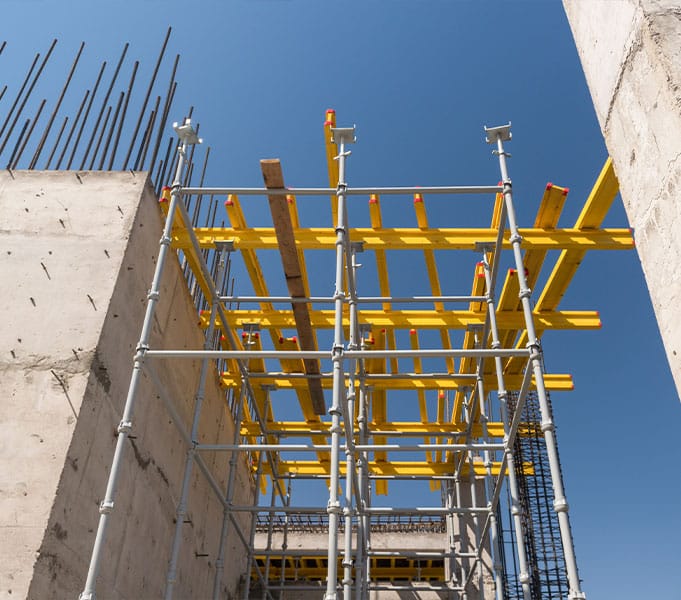
A mobile safety scaffold is an essential piece of equipment in modern construction, designed to provide secure, elevated access while maintaining mobility across job sites. Unlike fixed scaffolding systems, mobile safety scaffolds combine flexibility, speed, and enhanced safety features such as lockable wheels, guardrails, and anti-slip platforms.
Selecting the right mobile safety scaffold can significantly improve worker protection, reduce downtime, and increase overall project efficiency. Industry safety reports consistently show that properly designed mobile scaffolds help reduce fall-related incidents and improve productivity in construction environments.
What Is a Mobile Safety Scaffold?
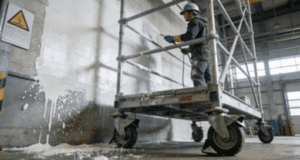
A mobile work scaffold is a wheeled scaffold system designed for temporary elevated work. It allows workers to move the structure easily without dismantling it, while built-in safety features ensure stability during use.
Key components include:
- Lockable caster wheels
- Guardrails and toe boards
- Anti-slip platforms
- Adjustable height frames
- Cross braces for stability
Types of Mobile Safety Scaffolds
Different construction sites require different scaffold configurations:
Aluminum Mobile Safety Scaffold
Lightweight and corrosion-resistant, ideal for indoor projects and frequent repositioning.
Steel Mobile Safety Scaffold
Heavy-duty structure designed for industrial and outdoor environments requiring higher load capacity.
Folding Mobile Safety Scaffold
Compact and portable design for small maintenance tasks and tight working spaces.
Modular Mobile Work Scaffold
Flexible system that allows height and structure customization for complex construction needs.
Key Features to Look For
When choosing the best mobile work scaffold, consider the following:
- Load Capacity: Ensure it supports workers, tools, and materials safely
- Mobility: High-quality caster wheels with locking mechanisms
- Stability: Reinforced frames and cross-bracing systems
- Platform Safety: Non-slip surfaces and secure guardrails
- Height Adjustability: Flexible configuration for different project requirements
Comparison Table: Mobile Safety Scaffold Options
| Type | Material | Best Use Case | Key Advantage | Limitations |
|---|---|---|---|---|
| Aluminum Mobile Scaffold | Aluminum | Indoor maintenance, painting | Lightweight & rust-proof | Lower load capacity |
| Steel Mobile Scaffold | Steel | Industrial & outdoor work | High strength & durability | Heavier to move |
| Folding Mobile Scaffold | Aluminum | Small repair tasks | Compact & portable | Limited working height |
| Modular Mobile Scaffold | Mixed | Complex construction projects | Highly customizable | Higher setup complexity |
Benefits of Using Mobile Safety Scaffolds
Mobile work scaffolds offer several advantages on construction sites:
- Faster setup and relocation
- Improved worker safety at height
- Reduced labor costs and downtime
- Flexible adaptation to different tasks
- Enhanced productivity on dynamic job sites
Safety Guidelines for Construction Sites
To ensure safe operation, follow these best practices:
- Always lock wheels before climbing
- Do not move scaffold while workers are on it
- Inspect all components before use
- Avoid exceeding load capacity limits
- Use guardrails and fall protection systems
Proper training and regular inspections are essential for maintaining safety compliance.
Choosing the Right Mobile Safety Scaffold
When selecting a scaffold system, evaluate:
- Project type (indoor or outdoor)
- Required working height
- Load requirements
- Frequency of relocation
- Site surface conditions
A well-matched scaffold improves efficiency while reducing operational risks.
Maintenance and Inspection
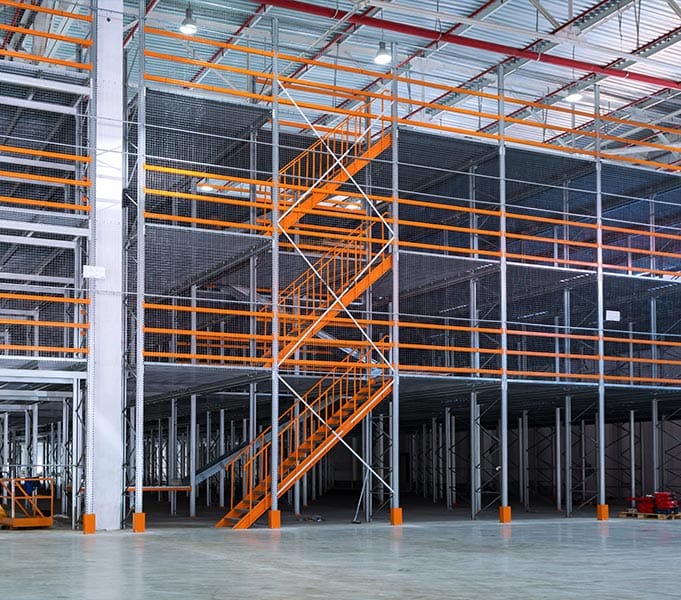

Regular maintenance ensures long-term safety and performance:
- Check caster wheels and locking systems
- Inspect welds, joints, and braces
- Clean platforms to prevent slipping hazards
- Replace damaged components immediately
- Store scaffolds in dry, secure environments
Conclusion
Choosing the best mobile work scaffold for construction sites is critical for ensuring worker safety, improving productivity, and maintaining compliance with industry standards. By selecting the right type—whether aluminum, steel, folding, or modular—contractors can optimize performance across a wide range of construction tasks.
FAQ
What is a mobile safety scaffold used for?
A mobile work scaffold is used for safe elevated work in construction, maintenance, and installation tasks. It provides a stable working platform with wheels for easy movement across job sites without disassembly.
How safe is a mobile work scaffold?
Mobile work scaffolds are very safe when used correctly. They include guardrails, anti-slip platforms, and locking wheels to prevent movement during work. Regular inspection and proper training are essential for safe operation.
What are the main types of mobile work scaffolds?
Common types include aluminum, steel, folding, and modular mobile scaffolds. Each type varies in weight capacity, mobility, and application, making them suitable for indoor, outdoor, light, or heavy-duty construction work.
Can a mobile work scaffold be used outdoors?
Common types include aluminum, steel, folding, and modular mobile scaffolds. Each type varies in weight capacity, mobility, and application, making them suitable for indoor, outdoor, light, or heavy-duty construction work.
How do you maintain a mobile work scaffold?
Maintenance includes checking wheels, locks, and structural joints, cleaning platforms regularly, and replacing damaged parts. Proper storage and routine inspections help extend service life and ensure safe operation.
Need Help Choosing the Right Mobile Work Scaffold?
If you’re unsure which mobile work scaffold is best for your construction project, our experts are here to help. Contact us today for a personalized consultation, and ensure your work platform is safe, stable, and fully compliant with industry standards. Don’t wait until it’s too late—get in touch now to protect your workers and improve site efficiency!