الوجبات الرئيسية في هذه المقالة:
- نظرة شاملة على أنواع السقالات يشيع استخدامها في البناء.
- المزايا والعيوب واعتبارات السلامة الرئيسية لكل نوع من أنواع السقالات.
- جدول مقارن يسلط الضوء على التكلفة والتنقل وسعة التحميل والملاءمة.
- أمثلة من العالم الحقيقي ودراسات حالة صناعية للحصول على رؤية عملية.
- أفضل الممارسات لتجميع السقالات وفحصها وصيانتها.
- إرشادات حول اختيار نوع السقالة الأمثل لمشاريع محددة.
- المعايير التنظيمية ونصائح الامتثال لاستخدام السقالة.
جدول المحتويات
مقدمة
تعد السقالات جزءًا أساسيًا من البناء الحديث، حيث توفر للعمال وصولاً آمنًا ومستقرًا وفعالًا إلى المرتفعات والمناطق التي يصعب الوصول إليها. لا يمكن لمشاريع البناء، بدءًا من المباني السكنية وحتى ناطحات السحاب، المضي قدمًا بأمان دون سقالات مناسبة. اختيار الحق أنواع السقالات يؤثر على سلامة المشروع وكفاءة التكلفة والجدول الزمني.
تم تصميم أنظمة السقالات الحديثة مع أخذ المتانة والنمطية والتنقل في الاعتبار. أدت الابتكارات في مواد مثل الألومنيوم خفيف الوزن والفولاذ عالي القوة والمواد المركبة المعززة إلى توسيع الخيارات المتاحة للمقاولين. يهدف هذا الدليل إلى توفير فهم متعمق لأنظمة السقالات الأكثر فعالية وتطبيقاتها وكيفية اختيار أفضل نوع من السقالات لأي مشروع.
أنواع السقالات: تفصيل تفصيلي
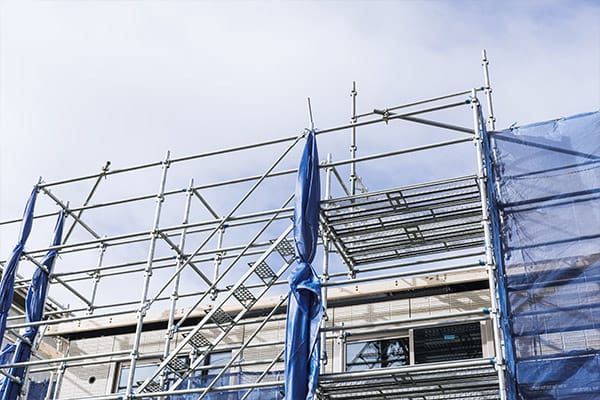
1. السقالة المدعومة
نظرة عامة على المفهوم
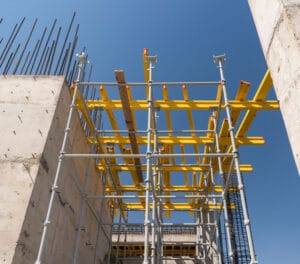
السقالات المدعومة هي الأكثر استخدامًا أنواع السقالات, ، تتميز بمنصات مدعومة بأرجل أو إطارات من الأرض. أنها توفر ثباتًا ممتازًا لكل من العمال والمواد.
مزايا
- سعة تحميل عالية، مناسبة لأعمال البناء الثقيلة.
- سهولة التجميع والتفكيك باستخدام مكونات موحدة.
- يمكن أن تصل إلى ارتفاعات كبيرة بأمان مع الهندسة المناسبة.
القيود
- قدرة محدودة على الحركة؛ يجب أن يتم نقلها يدويًا أو باستخدام المعدات الثقيلة.
- يتطلب أرضية مستقرة ومستوية للإعداد الآمن.
حالة العالم الحقيقي
استخدم مبنى سكني شاهق في شيكاغو نظام سقالات مدعوم متعدد المستويات. حقق المشروع تقدمًا أسرع بمقدار 15% مقارنة باستخدام الوصول إلى السلم فقط، مع عدم الإبلاغ عن أي حوادث متعلقة بالسقالة.
2. سقالة معلقة
نظرة عامة على المفهوم
تتدلى السقالات المعلقة من الدعامات العلوية باستخدام الحبال أو الكابلات. إنها مثالية لأعمال البناء الخارجية، مثل تنظيف النوافذ وإصلاح الواجهات وفحص الجسور.
مزايا
- ارتفاع قابل للتعديل للعمل الدقيق.
- الحد الأدنى من البصمة على مستوى الأرض، مناسبة لمواقع البناء الحضرية.
القيود
- يتطلب نقاط تثبيت صلبة على الأسطح أو العوارض الهيكلية.
- إعداد عالي المخاطر إذا لم يتم اتباع بروتوكولات السلامة بدقة.
رؤية البيانات
تشير الدراسات إلى أن السقالات المعلقة تقلل من متطلبات المساحة الأرضية بما يصل إلى 70%، مما يسمح بالبناء في الشوارع الضيقة دون عرقلة حركة المرور.
3. سقالة المتداول
نظرة عامة على المفهوم
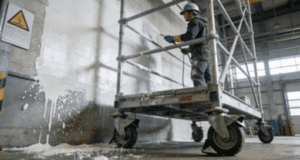
تتميز السقالات الدوارة بعجلات وهي مثالية للبناء الداخلي أو منخفض الارتفاع حيث يلزم النقل المتكرر.
مزايا
- قدرة عالية على الحركة لمهام مثل الطلاء وأعمال السقف والتركيبات الداخلية.
- من السهل ضبط الارتفاع في الموقع باستخدام الأنظمة التلسكوبية أو الرافعات اللولبية.
القيود
- يجب تأمين العجلات لمنع الحركة أثناء الاستخدام.
- غير مناسب للبيئات الخارجية العاصفة أو التضاريس غير المستوية.
دراسة الحالة
استخدم مشروع تجديد المكاتب في لندن السقالات المتدحرجة، واستكمل تركيب الحوائط الجافة الداخلية بشكل أسرع 25% نظرًا لسهولة تحريك وحدات السقالات دون تفكيك.
4. سقالة ناتئة
نظرة عامة على المفهوم
تعمل السقالات الكابولية على تمديد المنصات إلى ما هو أبعد من نقاط الدعم الخاصة بها، وغالبًا ما تستخدم عندما تكون الأرض الموجودة بالأسفل مشغولة أو مسدودة.
مزايا
- يوفر الوصول إلى العوائق دون إعاقة الأنشطة الأرضية.
- يتيح العمل على الواجهات وحواف السقف والجسور.
القيود
- يتطلب هندسة دقيقة لمنع الانقلاب.
- ارتفاع تكاليف المواد بسبب العوارض المسلحة والتثبيت.
البصيرة التقنية
تم تصميم السقالات الكابولية وفقًا لمعايير EN 12811 في أوروبا، والتي تحدد الحد الأقصى لنسب البروز بالنسبة لعرض الدعم من أجل السلامة.
5. سقالة الركيزة
نظرة عامة على المفهوم
تستخدم سقالات الركائز حوامل ثلاثية القوائم أو دعامات تشبه السلم وهي مناسبة بشكل أساسي لأعمال الصيانة أو الإصلاح الداخلية منخفضة الارتفاع.
مزايا
- إعداد سريع وفعال من حيث التكلفة.
- خفيفة الوزن ومحمولة للمشاريع الصغيرة.
القيود
- ارتفاع عمل منخفض، غير مناسب للبناء متعدد الطوابق.
- سعة تحميل محدودة، بشكل عام أقل من 150 كجم لكل منصة.
الاستخدام العملي
يستخدم على نطاق واسع في الطلاء والتشطيب الداخلي، وخاصة للمنازل والمكاتب، حيث تكون المساحة الأرضية محدودة.
6. سقالة السلم
نظرة عامة على المفهوم
تجمع سقالات السلم بين هيكل السلم ومنصة صغيرة، مما يوفر وصولاً مدمجًا للمهام البسيطة.
مزايا
- خفيفة الوزن وسهلة النقل.
- مثالية للفحص أو الأعمال الكهربائية أو التركيبات الصغيرة.
القيود
- استقرار أقل تحت الأحمال الثقيلة.
- ارتفاع محدود وحجم المنصة.
رؤية الصناعة
مشهور بصيانة المرافق في المستودعات وتركيب التدفئة والتهوية وتكييف الهواء والأعمال الكهربائية السكنية.
7. وحدات/سقالة الإطار
نظرة عامة على المفهوم
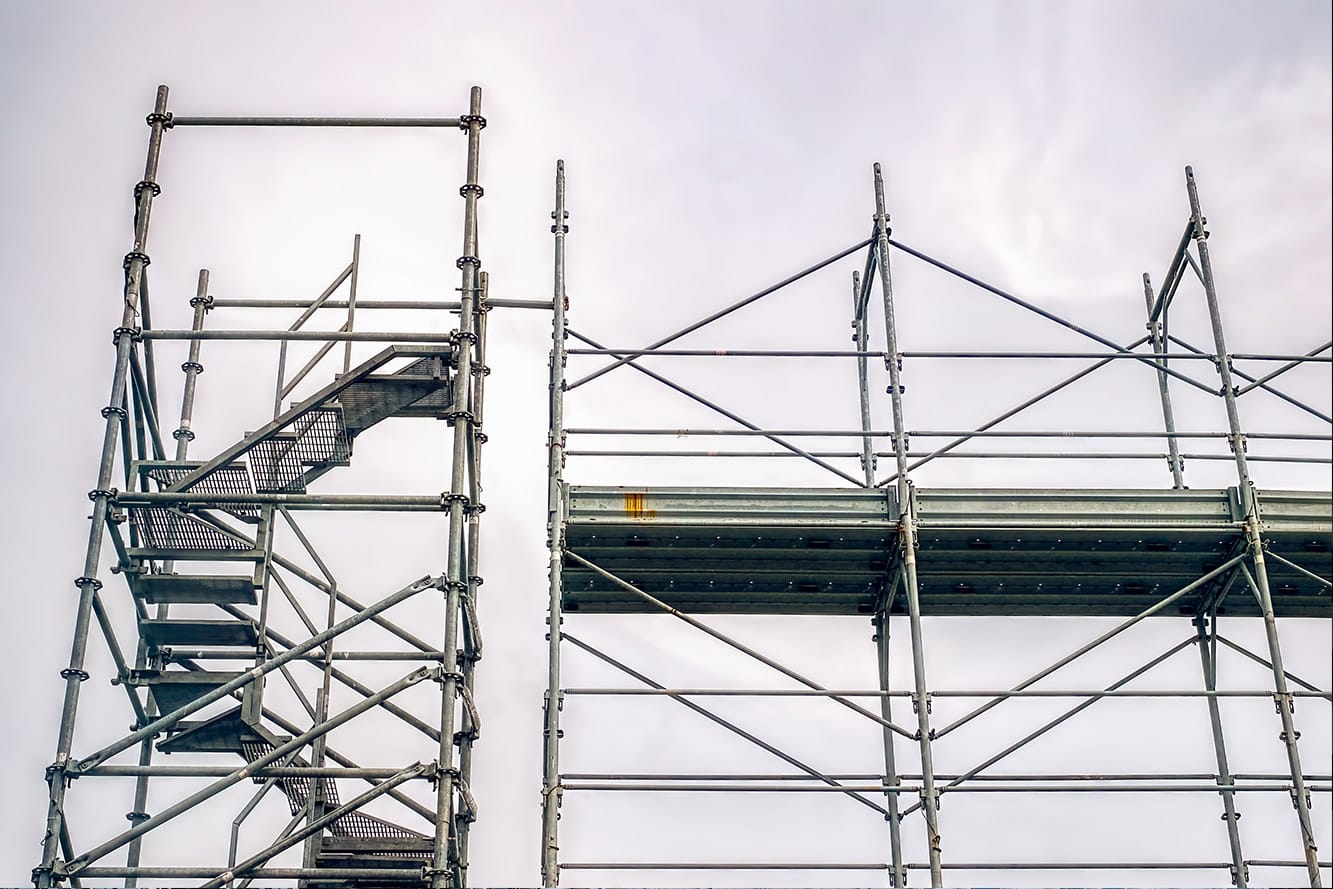
تستخدم السقالات المعيارية أو الإطارية إطارات مسبقة الصنع وأقسام متشابكة لإنشاء أنظمة سقالات مرنة.
مزايا
- متعدد الاستخدامات للغاية للأسطح غير المنتظمة والبناء الشاهق.
- قدرة تحميل عالية وسلامة هيكلية قوية.
القيود
- تكلفة مقدمة أعلى.
- يتطلب موظفين مدربين للتجميع والتفكيك.
دراسة الحالة
استخدمت ناطحة سحاب سنغافورية سقالات معيارية للوصول إلى الواجهات المنحنية بأمان. قلل النظام المعياري وقت التجميع بمقدار 40% مقارنة بالسقالات الخشبية المصممة خصيصًا.
نظرة عامة مقارنة لأنواع السقالات
| نوع السقالة | الاستخدام النموذجي | حد الارتفاع | التنقل | سعة التحميل | مستوى التكلفة | مستوى السلامة |
|---|---|---|---|---|---|---|
| سقالة مدعومة | البناء العام | عالي | منخفض | ثقيل | متوسط | عالي |
| سقالة معلقة | الأعمال الخارجية الشاهقة | عالي جدا | متوسط | متوسط | عالي | متوسط |
| المتداول السقالة | العمل الداخلي، الرسم | متوسط | عالي | متوسط | متوسط | متوسط |
| سقالة ناتئ | فوق العقبات | متوسط | منخفض | متوسط | متوسط | متوسط |
| سقالة الركيزة | صيانة منخفضة المستوى | منخفض | منخفض | ضوء | منخفض | متوسط |
| سقالة سلم | مساحات ضيقة | منخفض | عالي | ضوء | منخفض | منخفض |
| وحدات / سقالة الإطار | مجمع/مرتفع | عالي جدا | متوسط | ثقيل | عالي | عالي |
إرشادات السلامة لجميع أنواع السقالات
- فحص جميع المكونات يوميا قبل الاستخدام.
- استخدم حواجز الحماية وألواح أصابع القدم والحماية الشخصية من السقوط.
- ضمان التثبيت المناسب للسقالات المعلقة والكابولية.
- اتبع حدود التحميل ومواصفات الشركة المصنعة بدقة.
تطبيقات العالم الحقيقي
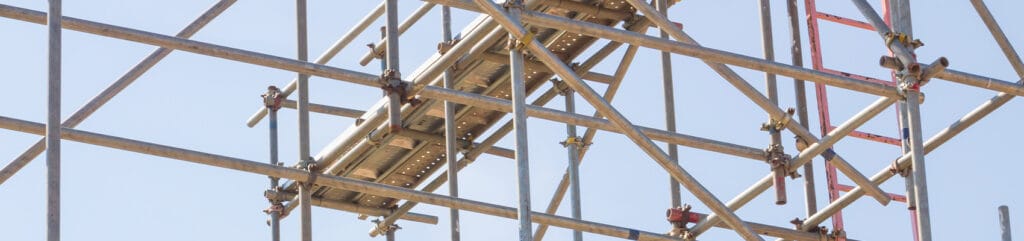
البناء السكني
- تهيمن السقالات المدعومة والسقالات على بناء المنازل على نطاق صغير.
- يُفضل استخدام السلالم والسقالات المتدحرجة للتشطيب الداخلي والطلاء.
المباني التجارية الشاهقة
- السقالات المعيارية والمعلقة شائعة في ناطحات السحاب.
- دراسة حالة: قام مبنى مكون من 60 طابقًا في دبي بتوفير تكاليف العمالة لعام 20% باستخدام السقالات المعيارية.
الصيانة الصناعية
- تسمح سقالات الدرفلة والسلالم بصيانة الآلات ورفوف التخزين دون إيقاف العمليات.
الامتثال والمعايير التنظيمية
- OSHA (إدارة السلامة والصحة المهنية) يضع معايير سلامة السقالات في الولايات المتحدة.
- إن 12811 هو المعيار الأوروبي للأعمال المؤقتة والسقالات.
- يضمن الامتثال السلامة ويقلل من الحوادث ويقلل من تكاليف المسؤولية.
اختيار الأنواع الصحيحة من السقالات
العوامل التي يجب مراعاتها:
- متطلبات الارتفاع والوصول.
- وزن ونوع المواد المراد نقلها.
- قيود الموقع وظروف السطح.
- مدة المشروع والميزانية.
نصيحة القرار:
- مشاريع منخفضة الارتفاع وقصيرة المدى → سقالة أو سلم.
- داخلي متوسط الارتفاع → سقالة متدحرجة.
- شاهقة، شديدة التحمل → معياري/إطار أو سقالة معلقة.
خاتمة
فهم أنواع السقالات ضروري لبناء آمن وفعال وفعال من حيث التكلفة. يعتمد اختيار السقالة المناسبة على متطلبات المشروع وظروف الموقع وسعة الحمولة والميزانية. إن تنفيذ تدابير السلامة المناسبة والامتثال للوائح لا يضمن سلامة العمال فحسب، بل يضمن أيضًا إكمال مشاريع البناء في الوقت المناسب.
الأسئلة الشائعة
س1: ما هو نوع السقالة الأكثر أمانًا للمشاريع الشاهقة؟
ج: توفر السقالات المعيارية/الإطارية ثباتًا فائقًا وقدرة على التحمل.
س2: كم مرة يجب فحص السقالات؟
ج: يوصى بإجراء فحوصات بصرية يومية وعمليات فحص شاملة أسبوعية.
س3: هل يمكن تحريك السقالات المتدحرجة أثناء وجود العمال عليها؟
ج: لا، يجب قفل العجلات قبل أن يستخدم أي شخص السقالة.
س 4: هل السقالات المعلقة مناسبة لظروف الرياح؟
ج: لا، تجنب استخدامه في الرياح العاتية أو العواصف.
س5: ما هي السقالة الأكثر فعالية من حيث التكلفة للصيانة الداخلية؟
ج: السقالات ذات السلم أو الحامل خفيفة الوزن ومحمولة وصديقة للميزانية.
شكرا لقراءتك! نأمل أن تساعدك رؤىنا على العمل بأمان وكفاءة مع سقالات الإطار ومعدات البناء الأخرى. لمزيد من التحديثات والنصائح والمناقشات، تواصل معنا على فيسبوك.
انضم إلى مجتمعنا للبقاء على اطلاع وتبادل الخبرات والتفاعل مع زملائنا المحترفين في صناعة السقالات.