Table of Contents
Introduction
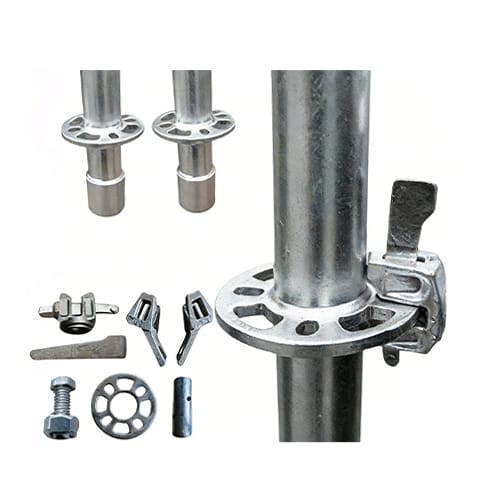
Scaffolding casters are essential components that provide mobility and stability for scaffold systems in construction and maintenance projects. As a manufacturer specializing in high-quality equipment, we focus on producing durable casters that meet the needs of both small and large-scale projects. Choosing the right caster type—whether for indoor renovations, outdoor work, or industrial scaffolding—ensures efficiency, safety, and smooth operation.
Understanding Load Capacity and Weight Ratings
One of the most important factors when selecting scaffolding casters is load capacity. Using casters that cannot support the scaffold’s weight can lead to accidents or equipment damage. Load ratings vary widely, with light-duty casters suitable for small-scale projects and heavy duty scaffolding casters engineered for industrial applications.
| Caster Type | Maximum Load per Caster | Best Use Case |
|---|---|---|
| Light Duty | Up to 200 lbs | Small indoor scaffolds |
| Medium Duty | 201-500 lbs | Standard construction projects |
| Heavy Duty | 501-1000+ lbs | Industrial scaffolds and large-scale projects |
As a manufacturer, we recommend calculating the total scaffold weight, including personnel and materials, then dividing it by the number of casters to determine the required load per caster. This ensures safety and maximizes the lifespan of your scaffolding casters.
Types of Scaffolding Casters
Scaffolding casters come in various types to suit different project requirements. Swivel casters allow 360-degree rotation, providing excellent maneuverability, while rigid casters offer straightforward movement along a single axis for stability. Locking casters add an extra layer of safety, preventing unintended movement during work. For industrial projects, specialized heavy duty scaffolding wheels are designed to handle rough terrain and heavy loads. Selecting the correct type ensures both safety and efficiency on site.
Materials and Construction
The material of scaffolding casters affects durability, floor protection, and performance. Common options include steel, aluminum, polyurethane, and rubber. Steel and aluminum provide structural strength, while polyurethane and rubber reduce floor damage and absorb vibrations. For outdoor or corrosive environments, corrosion-resistant casters are essential. Our manufacturing process ensures each caster meets rigorous durability standards while maintaining smooth operation.
Choosing the Right Size and Wheel Diameter
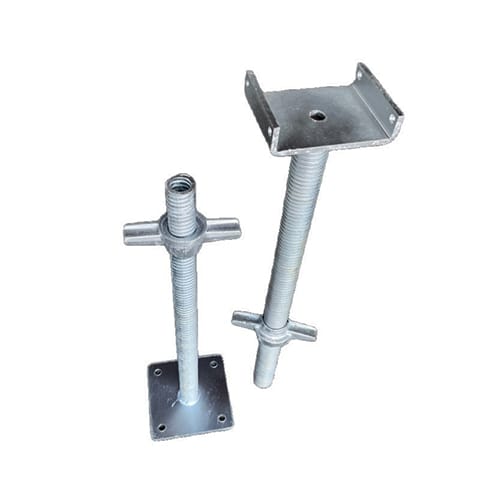
Wheel size directly impacts mobility and ease of use. Larger wheels roll over uneven surfaces more smoothly, while smaller wheels are suitable for smooth indoor floors. Selecting the right diameter is particularly important for mobile scaffolds with high elevation, as it influences both stability and safety. Matching wheel size with scaffold height and expected load ensures optimal performance.
Safety Guidelines for Scaffolding Casters
Safety is paramount when using scaffolding casters. Compliance with OSHA and other industry safety standards is critical. Locking mechanisms, brake systems, and regular inspection routines prevent accidents and ensure secure operation. As a manufacturer, we advise checking each caster before deployment, ensuring bolts, locks, and wheels are functioning correctly. Properly maintained casters reduce workplace injuries and equipment failures.
Maintenance and Longevity
Regular maintenance extends the life of scaffolding casters. Routine inspection, lubrication of moving parts, and timely replacement of worn wheels or brakes are essential practices. Signs of wear such as uneven rolling, cracks, or squeaking indicate it’s time to replace or upgrade your casters. Using industrial-grade casters from a trusted manufacturer guarantees longevity, even under demanding conditions.
Cost vs Quality Considerations
While budget casters may seem cost-effective initially, investing in high-quality, heavy duty scaffolding casters saves money in the long term. Durable casters reduce downtime, maintenance costs, and safety risks. As a manufacturer, we prioritize quality, ensuring each caster is engineered to deliver reliable performance and comply with rigorous industry standards.
Applications and Use Cases
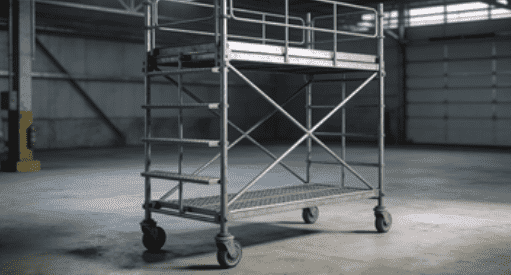
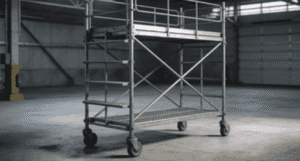
Scaffolding casters are versatile tools used across residential, commercial, and industrial projects. Heavy duty casters support large scaffolds on construction sites, while swivel and locking casters are ideal for mobile scaffolding in warehouses or maintenance facilities. Custom solutions are also available for unique projects requiring specialized caster designs or materials. Successful projects rely on selecting the right caster type for the specific application, whether it’s indoor remodeling or outdoor industrial construction.
Conclusion
Choosing the right scaffolding casters involves understanding load capacity, selecting the appropriate type and material, ensuring safety compliance, and considering maintenance and cost-effectiveness. As a trusted manufacturer, we provide high-quality scaffolding casters tailored to various construction needs, from heavy duty industrial wheels to versatile swivel casters. Investing in the right casters not only enhances project efficiency but also ensures the safety of personnel and longevity of your scaffolding equipment. For professional advice or custom solutions, contact us to find the best scaffolding casters for your project.
FAQ: Scaffolding Casters
Q1: What are these casters used for?
A1: They help scaffold systems move easily and safely, improving efficiency on construction or maintenance projects.
Q2: How do I select the best one for my scaffold?
A2: Consider weight capacity, wheel type, material, and the environment where the scaffold will be used.
Q3: What’s the difference between swivel and fixed wheels?
A3: Swivel wheels rotate for better maneuverability, while fixed wheels move in a straight line for stability.
Q4: How can I extend the life of my scaffold wheels?
A4: Regular inspections, lubrication, and timely replacement of worn parts keep them performing well.
Q5: Are there options for heavy-duty projects?
A5: Yes, some models are designed to carry larger loads and handle rough surfaces, ideal for industrial or large-scale work.