Table of Contents
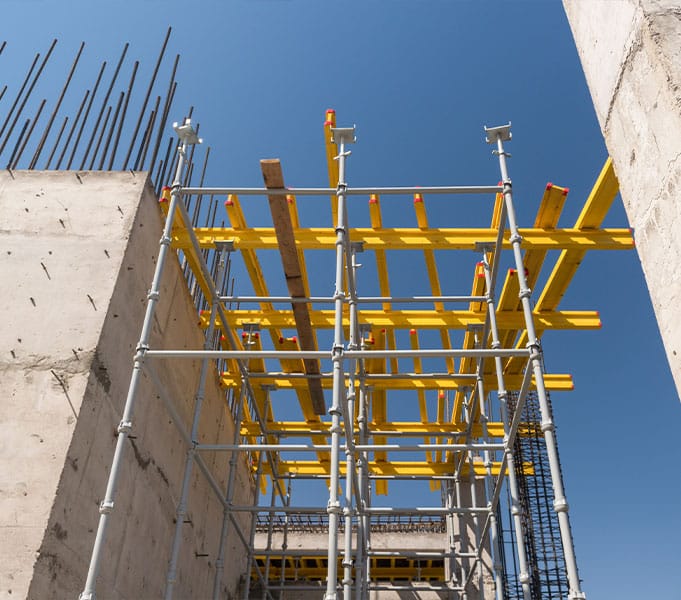
Scaffold boards are essential components of any scaffolding system, providing the platform that workers stand on while performing elevated tasks. Selecting the correct scaffold boards ensures safety, stability, and efficiency on construction sites, whether for large-scale projects or smaller maintenance work.
Introduction
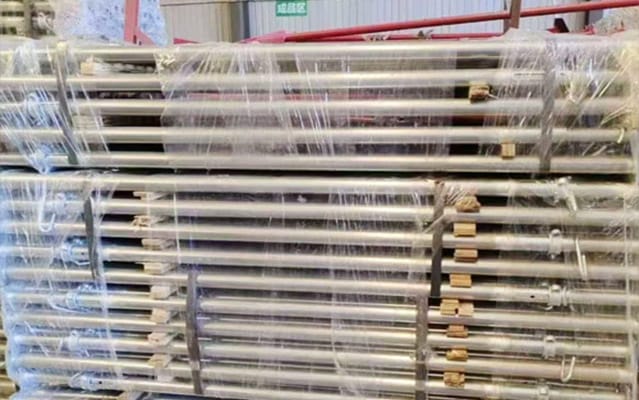
Scaffold boards serve as the primary surface for workers and materials on scaffolds. Their quality, material, and installation directly impact worker safety and project productivity. According to construction safety reports, improper or damaged scaffold planks contribute to a significant percentage of scaffold-related accidents, making careful selection and maintenance critical.
Types of Scaffold Planks
Scaffold boards come in various materials and designs to suit different construction needs:
- Wooden Planks: Traditional, strong, and cost-effective. Often used for lightweight or short-term projects.
- Aluminum Planks: Lightweight, corrosion-resistant, and easy to handle. Ideal for mobile or frequently adjusted scaffolds.
- Steel Planks: Heavy-duty and durable, suitable for high-load projects or long-term installations.
- Composite Planks: Modern planks made from fiberglass or reinforced polymers for high durability and weather resistance.
Key Features to Look for in Scaffold Planks
When choosing scaffold boards, consider the following features:
- Load Capacity: Ensure the plank supports the combined weight of workers, tools, and materials.
- Length and Width: Planks should cover the scaffold frame without excessive overhang.
- Slip Resistance: Grooved or textured surfaces reduce slip risks.
- Durability: Materials should resist weathering, moisture, and heavy usage.
- Ease of Handling: Lightweight planks make setup and relocation faster and safer.
Installing Scaffold Planks Safely
Proper installation is critical for scaffold safety. Key steps include:
- Placing planks fully supported on scaffold frames
- Avoiding gaps between planks
- Using securing hooks or locks when available
- Regularly inspecting for cracks, warping, or damage
- Following manufacturer weight limits and safety guidelines
Comparison Table of Common Scaffold Planks
| Plank Type | Material | Load Capacity | Best Use Case | Durability |
|---|---|---|---|---|
| Wooden Planks | Wood | Medium | Short-term, light projects | Moderate |
| Aluminum Planks | Aluminum | Medium-High | Mobile scaffolds, frequent moves | High |
| Steel Planks | Steel | High | Heavy-duty construction | Very High |
| Composite Planks | Fiberglass/Poly | Medium-High | Outdoor, weather-resistant projects | High |
Maintaining Scaffold Planks
Proper maintenance extends plank life and ensures safety:
- Inspect daily for cracks, splinters, or corrosion
- Clean debris to prevent slipping hazards
- Replace damaged or worn planks immediately
- Store planks in dry, ventilated areas to avoid warping
Choosing the Right Scaffold Planks for Your Project
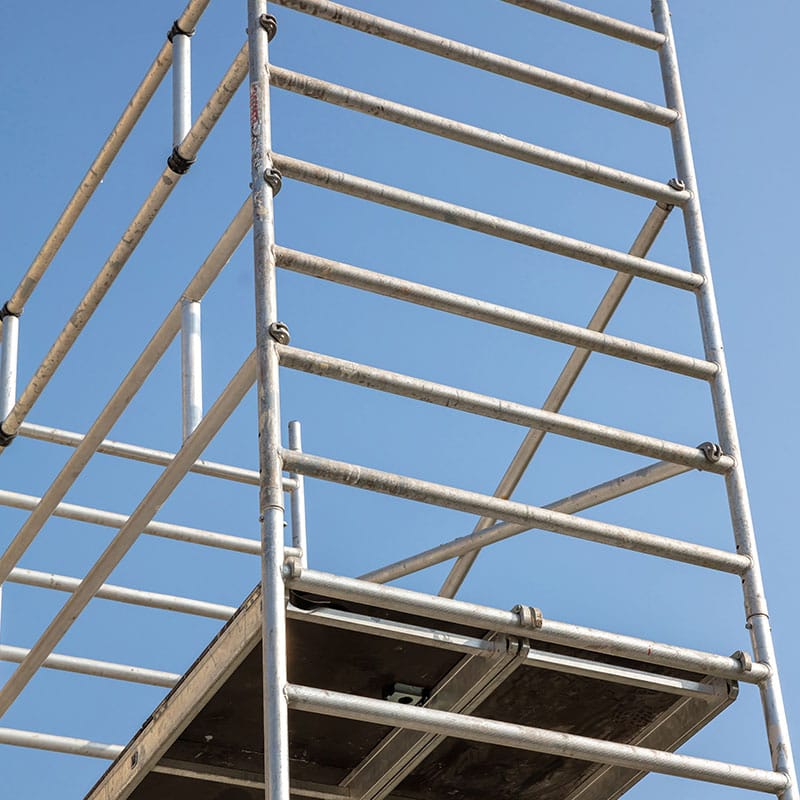
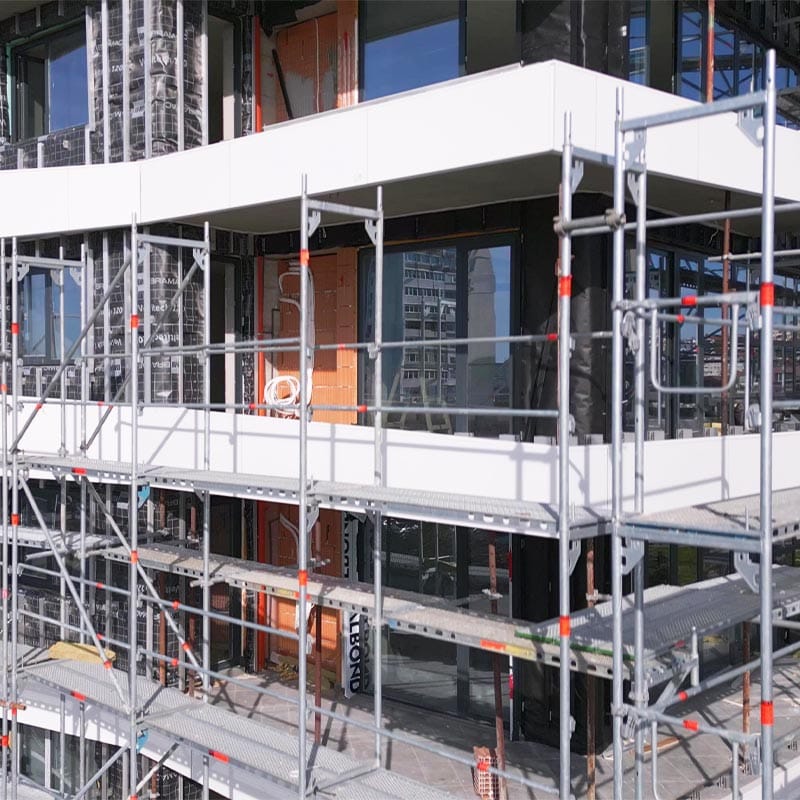
Factors to consider when selecting scaffold boards:
- Project type and height
- Weight of workers and materials
- Frequency of scaffold relocation
- Environmental conditions (indoors, outdoors, wet areas)
- Compliance with local safety standards
Selecting the right planks improves efficiency, reduces accidents, and supports compliance with workplace safety regulations.
Conclusion
Scaffold boards are a vital element of safe and efficient scaffolding systems. By understanding the different materials, features, and installation requirements, you can choose planks that support your project while keeping workers safe. Regular inspection and maintenance further enhance safety and longevity.
FAQ
What are scaffold planks?
Scaffold boards are horizontal platforms used on scaffolding systems to support workers, tools, and materials during elevated construction or maintenance tasks. They provide a stable surface and are essential for safe scaffold operation.
What materials are scaffold planks made from?
Scaffold boards are commonly made from wood, aluminum, steel, or composite materials. Each type offers different benefits, such as portability, durability, corrosion resistance, and suitability for various project requirements.
How do I choose the right scaffold planks?
Select scaffold boards based on load capacity, length, width, slip resistance, and material. Consider the type of scaffold, work environment, and frequency of movement to ensure safety and efficiency on your site.
Can scaffold boards be used outdoors?
Yes, scaffold boards can be used outdoors. Outdoor use requires weather-resistant materials like aluminum, steel, or composite planks, and regular inspection to prevent damage from moisture, sun, or temperature fluctuations.
How should scaffold boards be maintained?
Inspect scaffold boards daily for cracks, warping, or corrosion. Clean debris from surfaces, replace damaged planks immediately, and store them in dry, ventilated areas to extend their lifespan and maintain safety standards.
Need Help Choosing the Right Scaffold Planks?
If you’re unsure which scaffold boards are best for your construction project, our experts are here to guide you. Contact us today for a personalized consultation, and ensure your scaffolding setup is safe, durable, and compliant. Don’t wait—get in touch now to protect your workers and your project!