Introduction
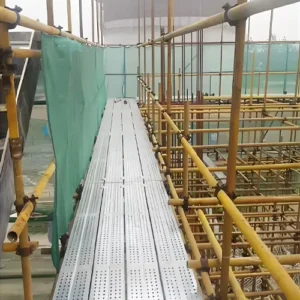
Selecting the proper scaffold platform is one of the most critical decisions in construction, maintenance, and industrial projects. A well-chosen platform ensures worker safety, operational efficiency, and cost-effectiveness. Using the wrong scaffold platform can lead to accidents, delays, and increased expenses. In this guide, we explore the types, materials, installation practices, maintenance, and industry standards to help you make an informed choice.
Key Takeaways from This Blog:
- Types of scaffold platforms and their applications
- Material options and performance comparisons
- Installation, safety, and maintenance guidelines
- Industry standards and certification insights
- Case studies demonstrating real-world usage
- Cost vs. performance evaluation
- Frequently asked questions by users and professionals
Table of Contents
What Is a Scaffold Platform?
Definition and Purpose
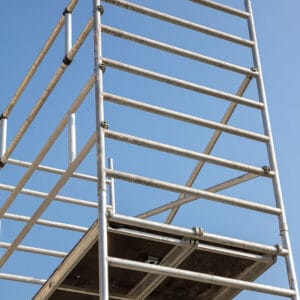
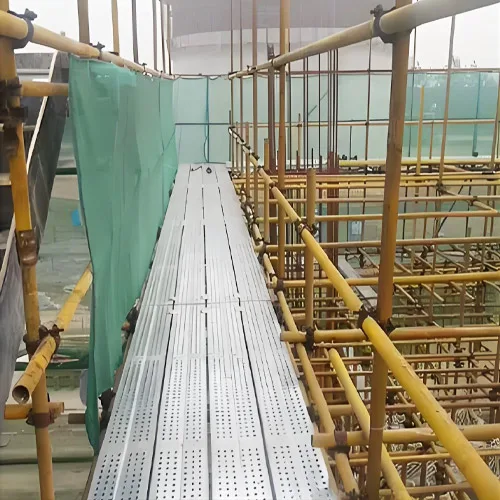
A scaffold platform is a temporary or semi-permanent structure that provides safe access to elevated work areas. It supports personnel, tools, and materials, enabling construction, repair, and maintenance work to be performed efficiently.
Conceptual Insight:
The scaffold platform not only ensures safety but also improves workflow by offering ergonomic access to hard-to-reach areas. Modern platforms come with adjustable, mobile, and fixed designs to meet diverse project needs.
Types of Scaffold Platforms
Choosing the right scaffold platform is crucial for construction efficiency, safety, and adaptability. Scaffold platforms are designed to support workers, tools, and materials at elevated heights, and different types cater to varying project requirements. Understanding the types, advantages, disadvantages, and specific applications can help professionals select the optimal platform for their worksite.
Adjustable Scaffold Platforms
Overview
Adjustable scaffold platforms are highly versatile. Their height and width can be modified to fit specific work environments, making them suitable for projects with uneven surfaces or multiple elevation levels. These platforms often feature telescopic or modular designs that allow quick adjustments without major disassembly.
Pros:
- Highly flexible and adaptable to various construction settings
- Suitable for uneven surfaces and temporary adjustments
- Can be reconfigured to accommodate different tasks without buying new platforms
Cons:
- Slightly higher upfront cost compared to fixed or wooden platforms
- Requires careful installation to ensure stability
- Moving components may need periodic lubrication and inspection
Practical Applications:
- Multi-story residential or commercial construction
- Renovation projects with varying floor heights
- Interior installations such as HVAC or electrical systems
Concept Insight:
Adjustable platforms are designed to maximize both safety and flexibility. For sites with unpredictable layouts, they reduce downtime by allowing quick configuration changes without compromising structural integrity.
Fixed Scaffold Platforms
Overview
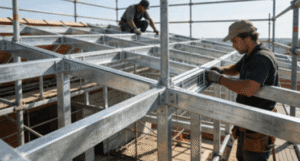
Fixed scaffold platforms are built for stability and durability. They are ideal for long-term construction or industrial projects that require heavy-duty support and minimal mobility. Fixed scaffolds typically feature steel or reinforced aluminum frames and are anchored securely to provide maximum stability.
Pros:
- Exceptional load capacity, supporting heavy equipment and materials
- Highly stable for extended use, minimizing risk of accidents
- Long-lasting and durable for multiple project cycles
Cons:
- Heavy and less mobile, requiring more labor to move or dismantle
- Installation and removal can take more time and effort
- May be overkill for short-term or small-scale projects
Practical Applications:
- Industrial construction, warehouses, and factories
- Large-scale renovations requiring consistent elevated access
- Permanent or semi-permanent work platforms in commercial facilities
Expert Tip:
Fixed scaffold platforms are often preferred when safety regulations require maximum load-bearing capability. For example, steel fixed scaffolds in factories can support over 500 kg per platform section, ensuring that workers can safely handle heavy materials.
Mobile Scaffold Platforms
Overview
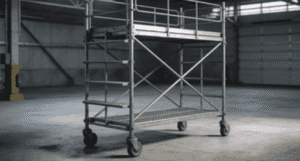
Mobile scaffold platforms are mounted on heavy-duty wheels to allow relocation without disassembly. They are particularly useful for indoor maintenance, warehouse management, or projects that involve frequent repositioning.
Pros:
- Highly mobile and easy to relocate across the worksite
- Ideal for repetitive tasks that require coverage across multiple areas
- Can be compactly stored when not in use
Cons:
- Limited weight capacity compared to steel fixed platforms
- Wheels must be locked during use to prevent movement
- Not ideal for high-elevation applications unless additional stabilization is added
Practical Applications:
- Indoor painting or electrical installations
- Warehouse inventory management
- Facility maintenance and inspections
Safety Consideration:
Always ensure that mobile scaffold platforms have locking mechanisms and safety brakes. Even minor wheel slippage at height can result in serious accidents.
Concept Insight:
Mobile platforms balance efficiency and portability. For sites with repetitive tasks or moving workstations, they reduce labor hours and improve workflow speed.
Scaffold Platform Materials
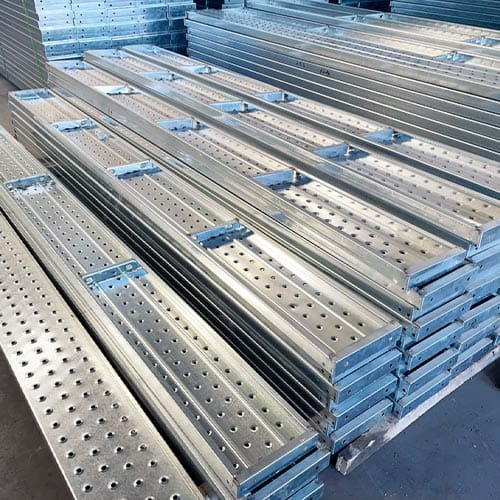
The choice of material greatly influences scaffold platform performance, longevity, and safety. Materials must be selected based on project scale, environmental exposure, and load requirements.
Aluminum Platforms
Overview:
Aluminum scaffold platforms are lightweight, corrosion-resistant, and ideal for portable or indoor applications. The reduced weight simplifies handling, while the metal’s durability ensures moderate load capacity.
Key Data:
- Weight: 15–25 kg per 2-meter section
- Load Capacity: 200–250 kg per platform
- Corrosion Resistance: Excellent, suitable for humid indoor environments
- Lifespan: 5–10 years with proper maintenance
Applications:
- Indoor construction sites
- Temporary platforms for painters or electricians
- Projects requiring frequent relocation
Case Insight:
A commercial renovation in Berlin used aluminum mobile scaffolds for a multi-floor office fit-out. The team reported a 20% reduction in setup time compared to traditional wooden scaffolds.
Steel Platforms
Overview:
Steel scaffold platforms are heavy-duty, offering maximum durability and load-bearing capacity. They are preferred for industrial sites, outdoor construction, and applications involving heavy materials.
Key Data:
- Weight: 40–60 kg per 2-meter section
- Load Capacity: 500–600 kg per platform
- Durability: Resistant to deformation and high-stress use
- Lifespan: 15+ years with proper care
Applications:
- High-traffic construction zones
- Industrial maintenance platforms
- Multi-level commercial construction
Expert Tip:
Steel platforms may require anti-corrosion coatings in outdoor environments. Hot-dip galvanizing can extend lifespan by 50% compared to untreated steel.
Wood Platforms
Overview:
Wooden platforms remain a cost-effective and traditional option. They are easy to customize and repair but require proper treatment to prevent warping, moisture damage, or splintering.
Key Data:
- Weight: 20–35 kg per 2-meter section
- Load Capacity: 150–250 kg per platform
- Durability: Moderate, sensitive to moisture
- Lifespan: 3–5 years depending on environmental conditions
Applications:
- Short-term construction projects
- DIY or home renovation tasks
- Low-height work where portability is less critical
Maintenance Tip:
Seal wooden scaffold platforms with water-resistant coatings to extend usability and reduce slip hazards.
Table: Scaffold Platform Material Comparison
| Material | Weight | Durability | Load Capacity | Ideal Use |
|---|---|---|---|---|
| Aluminum | Light | Medium | 200–250 kg | Indoor, portable |
| Steel | Heavy | High | 500–600 kg | Industrial, heavy-duty |
| Wood | Medium | Medium | 150–250 kg | Short-term, low-height |
Scaffold Platform Safety Standards
Global Industry Standards
- OSHA (Occupational Safety and Health Administration) – USA:
Scaffold platforms must support at least four times the intended load and include guardrails. - EN 12811 – Europe:
Specifies performance requirements for scaffolds, including load-bearing capacity, stability, and design tolerances. - CSA S269.2 – Canada:
Defines safety regulations for residential and commercial scaffolds.
Tip: Always ensure scaffold platforms meet local regulatory requirements to avoid legal issues and maintain worker safety.
Installation and Setup of Scaffold Platforms
Pre-Installation Planning
- Measure the work area precisely
- Identify height, width, and mobility requirements
- Ensure ground or floor is level and stable
Step-by-Step Assembly
- Lay the base frame on a level surface
- Install vertical supports and secure cross braces
- Place platform boards securely
- Attach guardrails and toeboards
Key Safety Note: Lock all wheels on mobile scaffolds, and avoid using damaged or bent components.
Load Capacity and Structural Considerations
- Maximum load depends on material, span, and design
- Steel platforms: ideal for 500–600 kg loads
- Aluminum platforms: best for lighter loads (~200–250 kg)
- Use load tables from manufacturers to prevent accidents
Table: Scaffold Platform Load vs. Span
| Material | Span (m) | Maximum Load (kg) | Recommended Use |
|---|---|---|---|
| Aluminum | 1.5 | 200 | Light-duty indoor |
| Aluminum | 2.0 | 180 | Portable work |
| Steel | 2.0 | 500 | Industrial |
| Steel | 3.0 | 450 | Construction |
| Wood | 1.5 | 150 | Short-term |
Maintenance and Longevity
Cleaning
Keep scaffold platforms free from dust, mud, and chemicals to prevent corrosion or degradation.
Lubrication
Lubricate hinges, wheels, and adjustable parts for smooth operation and to reduce wear.
Storage
Store in dry, ventilated areas to prevent rust on steel or rot on wood.
Professional Tip: Routine inspections and maintenance can extend scaffold platform life by 30–50%.
Real-World Case Studies
Case Study 1 – Urban Construction Project
A London-based construction firm used 50 steel scaffold platforms for a six-story renovation. Platforms endured heavy loads of 500 kg per level, demonstrating superior durability and zero accidents during the project.
Case Study 2 – Indoor Warehouse Maintenance
An e-commerce fulfillment center implemented 20 mobile aluminum scaffold platforms. Workers reported faster relocation and safer operations compared to using ladders.
Concept Insight: Matching scaffold platform type and material to project conditions improves safety and productivity.
Cost vs. Performance: Making Smart Decisions
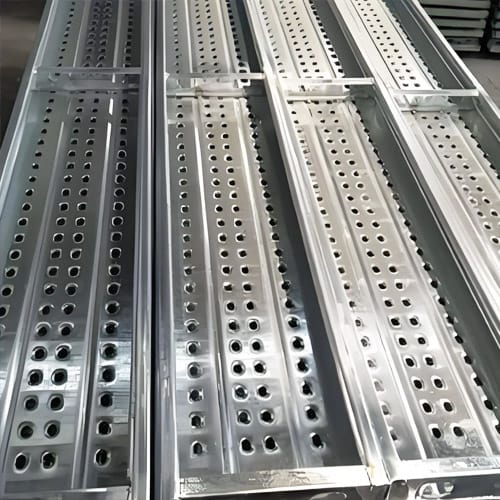
Budget Considerations:
- Aluminum platforms: $300–$500 each, portable but lower load
- Steel platforms: $500–$1000 each, long-lasting, high-load
- Wood platforms: $150–$300 each, short-term use
Decision Guide: Evaluate the number of workers, load requirements, project duration, and mobility needs before purchase.
FAQ
Q1: Which scaffold platform is safest for outdoor use?
A1: Steel platforms are preferred due to durability and resistance to weather. Aluminum can be used with proper anchoring.
Q2: Can scaffold platforms replace ladders for all tasks?
A2: Yes, for medium to high elevations, scaffold platforms provide more stability and workspace than ladders.
Q3: How do I know if a scaffold platform meets regulatory standards?
A3: Check for certifications like OSHA, EN 12811, or CSA S269.2. Manufacturers usually provide compliance documentation.
Q4: What’s the maximum safe load for a scaffold platform?
A4: Refer to the load table supplied by the manufacturer, typically 200–600 kg depending on material and design.
Q5: Are mobile scaffold platforms safe on uneven ground?
A5: Adjustable mobile scaffolds can accommodate slight unevenness, but extreme slopes require stabilizing supports.
Conclusion
Selecting the right scaffold platform is a combination of material choice, platform type, safety compliance, load capacity, and project requirements. By understanding standards, installation procedures, maintenance, and cost-performance trade-offs, you can choose the scaffold platform that maximizes both safety and efficiency.
Invest in certified, durable platforms to ensure longevity, reduce workplace hazards, and achieve smoother project execution.
Thank you for reading! We hope our insights help you work safely and efficiently with frame scaffolds and other construction equipment. For more updates, tips, and discussions, connect with us on Facebook.
Join our community to stay informed, share experiences, and engage with fellow professionals in the scaffolding industry.