Table of Contents
Introduction
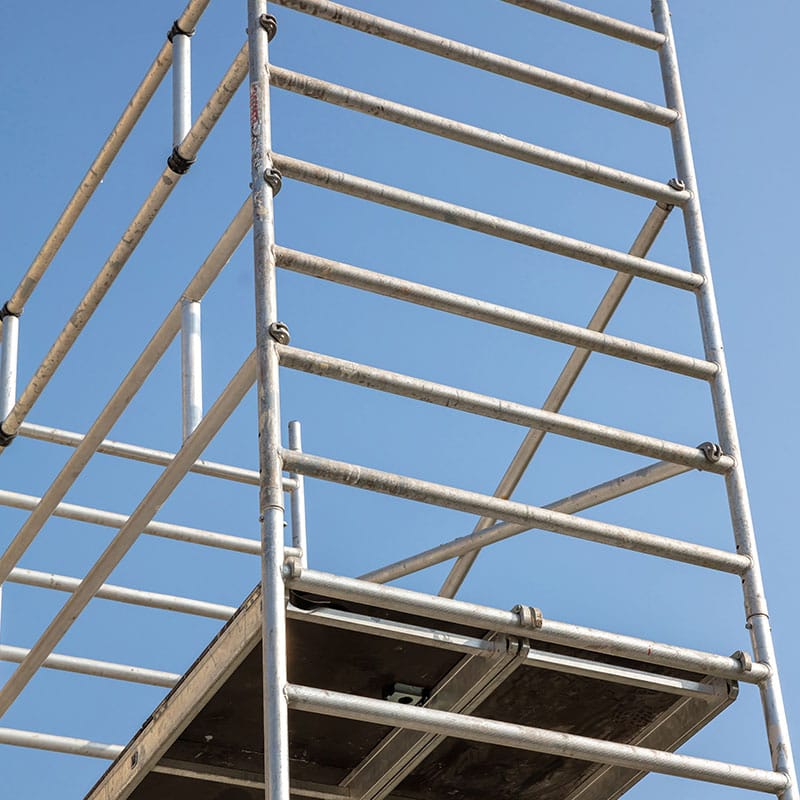
Scaffolding for construction work is a core element of modern building projects, providing safe and stable access to elevated work areas. From residential construction to large infrastructure projects, scaffolding for construction work supports workers, tools, and materials while improving efficiency and reducing safety risks. Understanding its types, applications, and safety requirements is essential for any construction operation.
What Is Construction Scaffolding?
Scaffolding for construction work refers to temporary structures used to support workers and materials during building, repair, or maintenance work at height. These systems are designed to create safe working platforms where direct ground access is not possible.
Scaffolding for construction work is widely used across all stages of building projects, from foundation work to final finishing.
Importance of Construction Scaffolding in Building Projects
Scaffolding for construction work plays a critical role in improving safety and productivity on job sites. Its key importance includes:
- Providing stable access to elevated areas
- Reducing the risk of falls and accidents
- Improving efficiency in construction tasks
- Supporting heavy materials and tools
- Enabling work on complex structures
Proper use of construction scaffolding directly contributes to project success and worker safety.
Types of Construction Scaffolding
Different types of scaffolding for construction work are used depending on project requirements:
- Supported scaffolding: Built from the ground up for general construction use
- Suspended scaffolding: Hanging platforms for high-rise work
- Mobile scaffolding: Movable systems for flexible tasks
- Cantilever scaffolding: Used where ground support is limited
- System scaffolding: Modular and efficient for large-scale projects
Each type serves specific construction needs based on height, load, and accessibility.
Comparison Table of Construction Scaffolding Types
| Type | Stability | Mobility | Load Capacity | Best Application |
|---|---|---|---|---|
| Supported | High | Low | High | General building work |
| Suspended | Medium | High | Medium | High-rise exterior work |
| Mobile | Medium | Very High | Medium | Maintenance and repairs |
| Cantilever | Medium | Low | Medium-High | Restricted ground access |
| System | High | Medium | High | Large construction projects |
This comparison helps in selecting the right scaffolding for construction work system for different job site conditions.
Safety Guidelines for Construction Scaffolding
Safety is the most critical aspect of scaffolding for construction work use. Key guidelines include:
- Inspect scaffolding before each use
- Ensure stable and level foundation
- Avoid exceeding load capacity
- Install guardrails and safety barriers
- Train workers on proper usage
Following strict safety procedures significantly reduces construction site accidents.
Installation Best Practices
Proper installation ensures stability and long-term safety:
- Follow manufacturer instructions carefully
- Use certified scaffolding components
- Secure all joints and connections
- Ensure proper bracing and alignment
- Conduct final safety inspection before use
Correct installation is essential for safe scaffolding for construction work performance.
Maintenance of Construction Scaffolding
Regular maintenance helps extend lifespan and ensure safety:
- Check for rust, cracks, or deformation
- Clean debris from platforms and joints
- Replace damaged parts immediately
- Store equipment in dry conditions
- Perform periodic structural inspections
Well-maintained scaffolding ensures consistent performance on construction sites.
Applications of Construction Scaffolding
Scaffolding for construction work is widely used in:
- Residential building construction
- Commercial infrastructure projects
- Industrial facility maintenance
- Bridge and highway construction
- Exterior painting and finishing work
Its versatility makes it essential across nearly all construction sectors.
Benefits of Construction Scaffolding
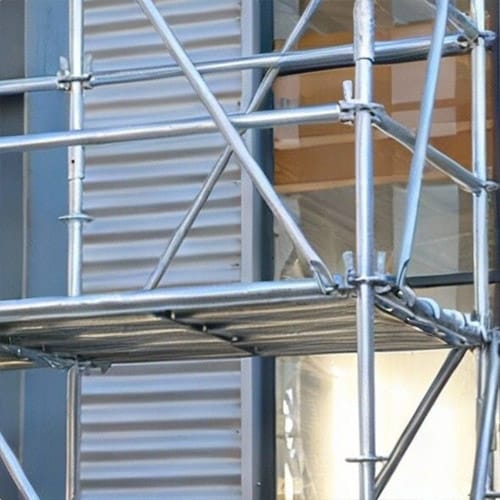
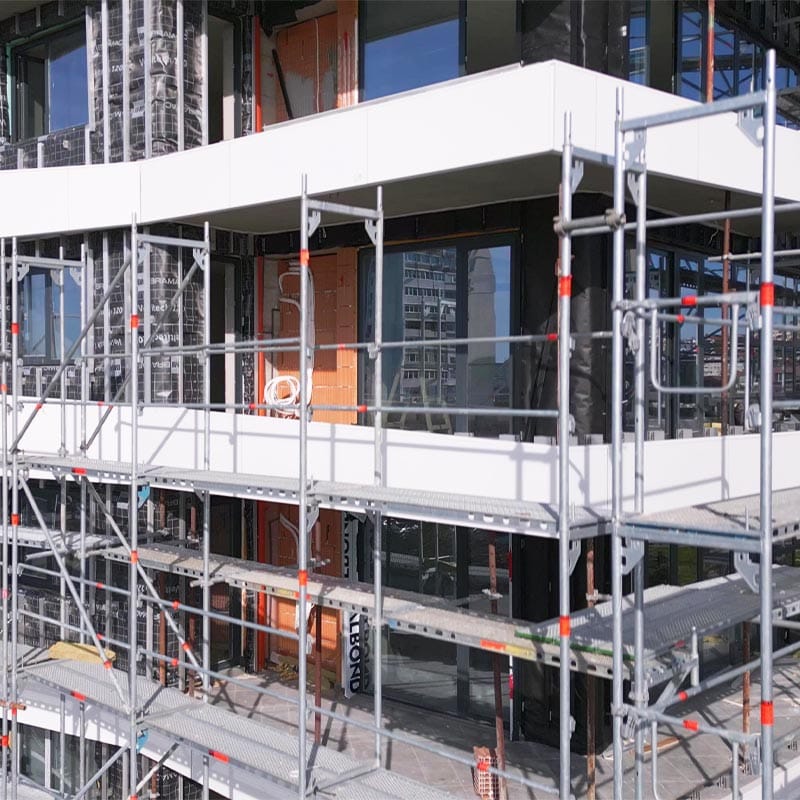
Using scaffolding for construction work provides several advantages:
- Improved worker safety at height
- Better access to complex structures
- Increased productivity and efficiency
- Reduced project delays
- Enhanced construction quality
These benefits make it a fundamental part of modern building practices.
Conclusion
Scaffolding for construction work is essential for safe, efficient, and high-quality building work. With different types available for various project needs, selecting the right system and following proper safety and maintenance practices ensures reliable performance. It remains a critical foundation of successful construction operations worldwide.
FAQ
What is construction scaffolding used for?
Scaffolding for construction work is used to create temporary elevated working platforms that allow workers to safely perform construction, maintenance, and repair tasks at height. It supports both personnel and materials, enabling efficient access to areas that are otherwise difficult or unsafe to reach directly from the ground.
Why is scaffolding for construction work important?
Construction scaffolding is essential because it enhances on-site safety, improves productivity, and provides stable support for workers and materials. It allows access to elevated or complex structures while reducing the risk of falls and accidents, making construction work more controlled, efficient, and reliable.
What are the main types of construction scaffolding?
The main types of construction scaffolding include supported scaffolding, suspended scaffolding, mobile scaffolding, cantilever scaffolding, and system scaffolding. Each type is designed for specific construction needs, offering different levels of stability, flexibility, and load-bearing capacity depending on the project requirements.
Is scaffolding for construction safe?
Construction scaffolding is safe when it is properly installed, regularly inspected, and used in accordance with established safety standards. Safety measures such as secure foundations, correct load distribution, guardrails, and worker training are essential to minimize risks and ensure a secure working environment at height.
How often should scaffolding for construction work be inspected?
Scaffolding for construction work should be inspected before every use and regularly throughout the project duration. Frequent inspections help identify potential issues such as structural damage, loose connections, or wear, ensuring that the system remains stable, safe, and compliant with safety requirements at all times.
Need Help Choosing the Right Scaffolding For Construction Work System?
If you’re unsure which construction scaffolding solution best fits your project, our experts are here to help. Contact us today for professional guidance and ensure your scaffolding system is safe, stable, and efficient. Don’t wait—get in touch now to protect your workers and your project!