Table of Contents
Introduction: Understanding Different Scaffolding Systems in Modern Construction
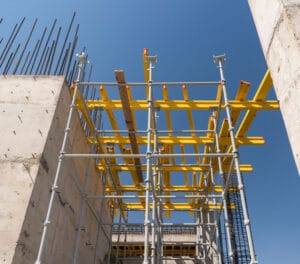
Scaffolding is an essential part of modern construction, providing safe access, stable working platforms, and efficient solutions for working at height. However, not all scaffolding systems are the same. Different construction projects require different scaffold types depending on factors such as building height, load capacity, working environment, installation speed, and project duration.
From residential buildings and commercial developments to industrial facilities and infrastructure projects, choosing the right scaffolding system can significantly influence construction efficiency and workplace safety.
The most commonly used scaffolding systems worldwide include:
- Ringlock scaffolding
- Frame scaffolding
- Mobile scaffolding
- Tube and clamp scaffolding
- Aluminum scaffolding
- Adjustable support systems
Each type has unique structural features and application advantages.
As a professional scaffolding manufacturer, Zichen Building Materials provides reliable scaffolding solutions for global contractors, distributors, and construction companies, including ringlock scaffolding systems, mobile scaffolding solutions, and other construction support products.
Why Choosing the Right Scaffolding System Matters
Selecting the correct scaffolding system is not only a purchasing decision but also an important engineering consideration.
The wrong scaffolding choice may result in:
- Reduced construction efficiency
- Higher labor costs
- Increased installation time
- Safety risks
- Additional project expenses
A suitable scaffolding system should match the specific requirements of the project, including:
Working Height
Different buildings require different access solutions. High-rise projects usually need modular systems with strong stability, while smaller maintenance projects may require lightweight mobile scaffolding.
Load Requirements
Construction activities involve different loads, including:
- Workers
- Tools
- Materials
- Equipment
Heavy-duty projects require scaffolding systems with higher load-bearing capacity.
Installation Conditions
Some projects require frequent movement, while others require long-term stable structures.
For example:
- Mobile scaffolding is ideal for projects requiring relocation.
- Ringlock scaffolding is suitable for complex structures.
- Frame scaffolding works well for simple repetitive construction tasks.
Ringlock Scaffolding: A Flexible Modular Construction Solution
Ringlock scaffolding is one of the most widely used modular scaffolding systems in global construction projects.
Unlike traditional scaffolding structures, ringlock systems use rosette connection technology, allowing vertical standards, horizontal ledgers, and diagonal braces to be connected quickly and securely.
This design provides excellent flexibility for different construction environments.
Key Advantages of Ringlock Scaffolding

Fast Installation and Dismantling
The modular connection system allows workers to assemble and remove scaffolding efficiently, reducing labor requirements and project downtime.
High Structural Stability
Ringlock scaffolding provides strong load distribution and excellent stability, making it suitable for demanding construction environments.
Flexible Configurations
Because components can be assembled in multiple directions, ringlock scaffolding can adapt to:
- Irregular building structures
- Curved surfaces
- Large infrastructure projects
- Complex industrial environments
Common Applications of Ringlock Scaffolding
Ringlock scaffolding is widely used for:
- High-rise buildings
- Bridge construction
- Industrial plants
- Commercial projects
- Large-scale infrastructure
For contractors looking for a durable modular system, Zichen provides professional ringlock scaffolding solutions designed for international construction requirements.
Frame Scaffolding: A Traditional and Cost-Effective Solution
Frame scaffolding is one of the most common scaffold types used in residential and commercial construction.
It consists of prefabricated frames connected with braces, making installation relatively simple.
Advantages of Frame Scaffolding
Frame scaffolding offers:
- Easy installation
- Simple transportation
- Lower setup requirements
- Cost-effective construction access
Typical Applications
Frame scaffolding is commonly used for:
- Residential buildings
- Exterior wall work
- Painting projects
- Renovation projects
- Small commercial construction
Compared with modular systems, frame scaffolding is often preferred for projects with straightforward requirements and repetitive construction processes.
Mobile Scaffolding: Flexible Access for Maintenance and Indoor Work
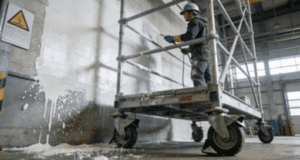
Mobile scaffolding is designed with wheels or caster systems, allowing workers to move the platform between different working areas.
It is especially useful when construction tasks require frequent relocation.
Benefits of Mobile Scaffolding
Mobile scaffolding provides:
- Easy movement
- Reduced setup time
- Improved productivity
- Convenient access
Common Applications
Mobile scaffolding is widely used in:
- Warehouses
- Shopping centers
- Interior construction
- Electrical installation
- Equipment maintenance
For projects requiring flexible working access, mobile scaffolding provides an efficient alternative to fixed systems.
Tube and Clamp Scaffolding: Flexible Traditional Scaffolding
Tube and clamp scaffolding has been used worldwide for decades and remains an important scaffolding solution.
This system connects steel tubes using specialized clamps, allowing contractors to create customized structures.
Advantages of Tube and Clamp Scaffolding
Its main benefits include:
- High flexibility
- Adaptability to complex structures
- Wide application range
- Easy modification
Applications
Tube and clamp scaffolding is often used in:
- Industrial construction
- Shipyards
- Maintenance projects
- Special engineering applications
Although modular systems are becoming increasingly popular, tube and clamp scaffolding remains valuable for projects requiring customized layouts.
Aluminum Scaffolding: Lightweight and Portable Access Solution
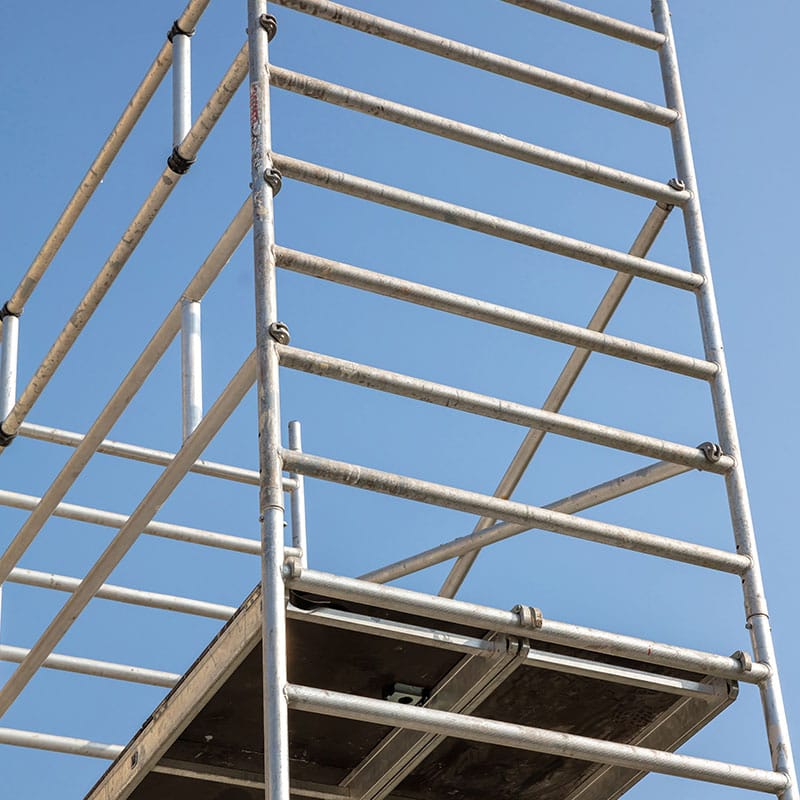
Aluminum scaffolding is designed for projects where lightweight construction equipment is preferred.
Compared with steel scaffolding, aluminum systems are easier to transport and move.
Advantages of Aluminum Scaffolding
Key benefits include:
- Lightweight structure
- Corrosion resistance
- Easy transportation
- Fast installation
Common Uses
Aluminum scaffolding is suitable for:
- Indoor maintenance
- Commercial facilities
- Aviation maintenance
- Electrical work
However, for heavy-duty construction projects requiring maximum strength, steel scaffolding is usually the preferred choice.
Steel vs Aluminum Scaffolding: How to Choose?
Both steel and aluminum scaffolding have advantages.
Steel Scaffolding
Best suited for:
- Heavy construction
- Industrial projects
- High-load applications
- Long-term usage
Advantages:
- Strong structural performance
- High durability
- Excellent load capacity
Aluminum Scaffolding
Best suited for:
- Indoor projects
- Maintenance work
- Lightweight applications
Advantages:
- Easy movement
- Reduced transportation costs
- Quick installation
The best choice depends on project requirements rather than simply material preference.
How to Choose the Right Scaffolding System for Your Project
Before purchasing scaffolding, contractors should evaluate several important factors.
1. Analyze Project Requirements
Consider:
- Construction height
- Working environment
- Required load capacity
- Project duration
- Installation conditions
2. Check Scaffolding Quality Standards
High-quality scaffolding should include:
- Reliable raw materials
- Accurate manufacturing
- Strong welding quality
- Proper surface treatment
- Strict inspection procedures
According to international safety guidance, scaffolding systems should be properly designed, installed, inspected, and maintained. Contractors can refer to OSHA scaffolding safety requirements for general safety guidance.
3. Select a Reliable Scaffolding Manufacturer
For international buyers, choosing the right supplier is essential.
A professional scaffolding manufacturer should provide:
- Factory production capability
- Quality control systems
- Export experience
- Technical support
- Custom solutions
Buyers should evaluate suppliers based on manufacturing ability rather than only price.
Why Choose Zichen for Your Scaffolding Solutions?

Zichen Building Materials specializes in manufacturing and supplying scaffolding products for global construction projects.
With professional production experience and international supply capability, Zichen supports contractors, builders, and distributors with reliable scaffolding solutions.
Our products include:
- Ringlock scaffolding
- Mobile scaffolding
- Steel scaffold planks
- Adjustable steel props
- Scaffolding accessories
Zichen focuses on:
Reliable Manufacturing
Strict production control ensures consistent product quality and performance.
Customized Solutions
Different construction projects require different configurations. Zichen provides customized scaffolding solutions according to project requirements.
Global Supply Support
From product selection to delivery, Zichen helps customers build efficient and reliable construction solutions.
Learn more about Zichen Building Materials or contact our team through the Zichen contact page for your next project.
Frequently Asked Questions About Scaffolding Systems
What are the main types of scaffolding?
The main types of scaffolding include ringlock scaffolding, frame scaffolding, mobile scaffolding, tube and clamp scaffolding, and aluminum scaffolding.
Which scaffolding system is best for high-rise construction?
Ringlock scaffolding is commonly selected for high-rise projects because of its stability, flexibility, and high load-bearing capability.
Is mobile scaffolding suitable for outdoor construction?
Mobile scaffolding can be used outdoors when properly designed and secured, but it is especially popular for indoor maintenance and projects requiring frequent movement.
What is the difference between frame scaffolding and ringlock scaffolding?
Frame scaffolding uses prefabricated frames and is simple to install, while ringlock scaffolding uses modular connections and provides greater flexibility for complex projects.
How do I choose a scaffolding supplier?
A reliable supplier should have manufacturing experience, quality control procedures, export capability, and technical support.
What factors affect scaffolding selection?
Important factors include project height, load requirements, construction environment, installation speed, and safety requirements.
Conclusion
Understanding different types of scaffolding systems helps construction professionals select safer, more efficient, and more cost-effective solutions.
Whether a project requires ringlock scaffolding for complex structures, mobile scaffolding for flexible access, or traditional frame scaffolding for simple construction work, the right system can improve productivity and project performance.
As an experienced scaffolding manufacturer, Zichen Building Materials provides professional scaffolding solutions designed for global construction needs.
By combining reliable manufacturing, quality control, and customized support, Zichen helps contractors and businesses complete construction projects with confidence.