Table of Contents
Introduction

A scaffold stairs is a purpose-built access solution designed to provide safe and efficient vertical movement within scaffolding systems. Unlike traditional ladders, which rely solely on balance and footing, a scaffold stairs integrates with the scaffolding structure to provide stable support, handrails, and ergonomic steps, making it suitable for high-traffic or long-duration use on job sites.
Safe access at height is a critical factor in workplace safety. According to research from workplace safety authorities, falls from ladders and scaffolding account for a significant percentage of injuries in construction and industrial environments. This makes choosing the right vertical access system essential not only for compliance but also for productivity and risk management. Scaffold stairs are increasingly preferred over ladders because they minimize hazards while improving workflow efficiency.
Scaffold stairs are widely used in construction, maintenance, warehousing, and industrial facilities where workers need secure and frequent access to elevated areas. By understanding their design, types, and benefits, you can ensure both safety and efficiency for your workforce.
Key Safety Advantages of Scaffolding Stairways
The main reason scaffold stairs are considered safer than ladders is their structural stability. They are anchored directly to scaffolding frames, reducing the chance of tipping or shifting during use. Here are the key safety advantages:
- Stable Support: A scaffolding stairway distributes weight across multiple points, preventing the instability commonly associated with freestanding ladders.
- Reduced Risk of Slips and Falls: Anti-slip treads and wide steps improve footing, even when workers carry tools or materials.
- Handrails and Guardrails: Integrated handrails provide additional support and safety, which is often missing in standard ladders.
According to industry safety studies, the addition of handrails and anti-slip surfaces can reduce ladder-related fall incidents by up to 40%, demonstrating the clear advantage of using scaffolding stairways in high-risk environments.
Components That Enhance Safety
Understanding the design features of a scaffolding stairway helps explain why it outperforms a traditional ladder:
- Frame and Step Design: The stairway’s frame is engineered to handle dynamic loads. Steps are wide and evenly spaced to support ergonomic climbing.
- Anti-Slip Surfaces: Textured treads prevent slippage, particularly in wet or dusty conditions.
- Support Brackets and Stabilizers: These components secure the stairway to the scaffold, preventing lateral movement.
- Material Choices: Aluminum is lightweight and corrosion-resistant, suitable for portable systems, while steel provides higher durability for heavy-duty industrial applications.
Scaffolding Stairway vs Traditional Ladders
When comparing scaffolding stairways to ladders, several factors highlight their advantages:
| Feature | Scaffolding Stairway | Traditional Ladder |
|---|---|---|
| Stability | Anchored to scaffold, high | Freestanding, prone to tipping |
| Step Width | Wide, ergonomic | Narrow, requires careful footing |
| Handrails | Yes, integrated | Often absent |
| Load Capacity | Higher, accommodates tools | Lower, limited to user weight |
| Usage Duration | Suitable for long-term work | Best for short-term tasks |
| Accessibility | Multiple workers can pass | Usually single user |
This table demonstrates that scaffold stairs offer safer, more ergonomic, and higher-capacity access compared to traditional ladders, especially for construction sites with frequent vertical movement.
Types of Scaffolding Stairways
Scaffold stairs come in various designs to suit different job site requirements:
- Fixed Scaffolding Stairways: Permanently installed in the scaffold, offering maximum stability.
- Portable Scaffolding Stairways: Lightweight and movable, ideal for temporary access needs.
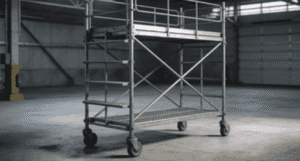
- Mobile Scaffolding Stairways: Equipped with wheels for easy relocation on large sites.
- Folding or Modular Designs: Compact and convenient for storage or transportation.
Choosing the appropriate type ensures both safety and efficiency, especially in dynamic job environments.
Safety Guidelines and Best Practices
To maximize safety, scaffolding stairways should be used following best practices:
- Correct Installation and Anchoring: Ensure the stairway is securely attached to the scaffold.
- Weight Limits and Usage Recommendations: Always adhere to manufacturer specifications for both personnel and tools.
- Compliance with Safety Standards: Follow industry safety regulations to reduce liability and accident risk.
- Avoid Common Mistakes: Do not use damaged equipment, overload the stairway, or neglect inspections.
Regular safety training for workers further reinforces proper usage and reduces accidents.
Maintenance and Inspection Tips
Routine maintenance keeps a scaffold stair safe and functional:
- Inspection Checklist: Check for structural cracks, loose steps, damaged handrails, and worn treads before each use.
- Cleaning and Storage: Remove debris, dust, and moisture, and store in a dry environment to prevent corrosion.
- Repair or Replacement: Replace any damaged components immediately, especially load-bearing parts. Proactive maintenance increases longevity and reduces accidents.
Choosing the Right Scaffolding Stairway
Selecting the correct scaffold stair depends on your specific site requirements:
- Height and Reach: Ensure the stairway spans all necessary levels without overextension.
- Material Considerations: Aluminum is ideal for portability; steel provides durability for heavy loads.
- Safety Features: Look for anti-slip treads, integrated handrails, and compatibility with existing scaffolding systems.
- Supplier Reliability: Choose manufacturers with verified certifications, consistent quality, and customer support. Customized solutions may also be available for specific projects.
Applications Across Industries

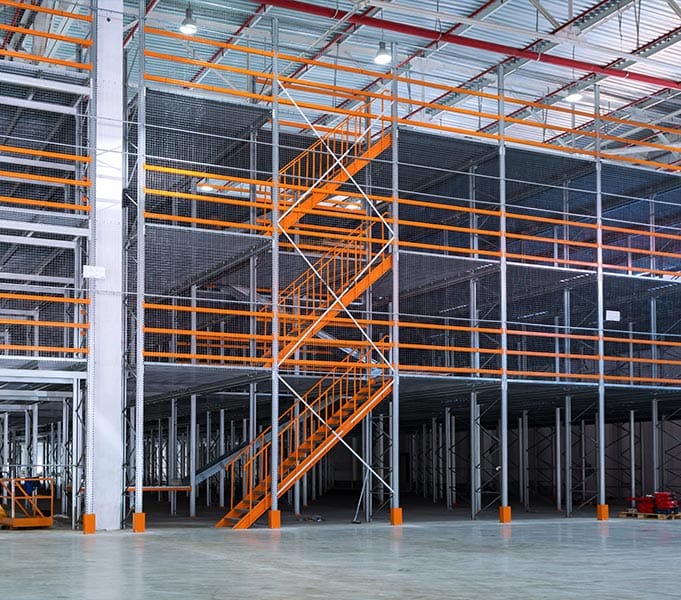
Scaffold stairs are versatile and widely used across sectors:
- Construction and Renovation: Safe access for workers during building and maintenance projects.
- Industrial and Warehouse Operations: Facilitates maintenance, inventory checks, and machinery access.
- Temporary Events or Film Sets: Provides secure, temporary vertical access in dynamic environments.
Their adaptability and safety features make them a valuable investment for any site requiring elevated access.
Conclusion
A scaffolding stairway is more than just an elevated access solution—it is a critical safety feature that ensures stability, ergonomic access, and higher load capacity compared to traditional ladders. By selecting the right type, maintaining it properly, and following industry safety guidelines, you can reduce risks, improve productivity, and provide a safer working environment on any job site.
FAQ
What is a scaffolding stairway?
A scaffolding stairway is a specially designed stair system integrated into scaffolding structures. It provides secure and stable vertical access for workers on construction, renovation, or industrial sites, allowing safe movement while carrying tools or materials and reducing fall risks.
How is a scaffolding stairway safer than a ladder?
Scaffolding stairways are safer than ladders because they have wide, ergonomic steps, integrated handrails, and firm anchoring to the scaffolding frame. These features minimize slips, tipping, and falls, especially on busy job sites, while supporting the weight of both workers and equipment.
What materials are scaffolding stairways made from?
Scaffolding stairways are commonly made from aluminum, which is lightweight, portable, and resistant to corrosion, or steel, which is heavier but provides exceptional strength and durability. Material choice depends on job site needs, load capacity, and whether the stairway will be used temporarily or long-term.
Can scaffolding stairways be used outdoors and indoors?
Yes, scaffolding stairways are suitable for both indoor and outdoor use. Outdoor models often feature corrosion-resistant coatings and durable materials to withstand weather conditions, while indoor stairways prioritize portability and ease of installation on temporary or permanent scaffold setups.
How do I maintain a scaffolding stairway?
Maintaining a scaffolding stairway involves regular inspections for structural damage, cleaning treads from debris or moisture, checking handrails for stability, and promptly replacing worn or broken components. Proper maintenance ensures long-term safety and reduces the risk of accidents on job sites.
Need Help Choosing the Right Scaffolding Stairway?
If you’re unsure which scaffolding stairway is best for your construction or industrial site, our experts are here to help. Contact us today for a personalized consultation, and ensure your workers have safe and reliable access at every height. Don’t wait until accidents happen—get in touch now to protect your team and maintain a safer job site!