Welcome to the Cangzhou Zichen Building Materials blog! As a leading manufacturer specializing in the R&D, production, and export of construction equipment, we are dedicated to sharing expert knowledge, practical tips, and industry insights. Whether you work with mobile scaffolding, ringlock scaffolding, or adjustable steel props, our goal is to help you improve safety, efficiency, and project quality. Keep reading to explore essential practices and advice for scaffold users at every level.
Table of Contents
Key Takeaways
- Deep understanding of scaffold definition from engineering and safety perspectives
- Structural mechanics behind scaffolding load distribution systems
- Global safety standards (OSHA, EN, ISO) interpretation
- Real-world construction case studies and failure analysis
- Comparative analysis of scaffolding types for project selection
- Cost structure, lifecycle, and procurement strategy
- Digital transformation and smart construction scaffolding systems
- Risk prevention strategies based on global accident data
Introduction
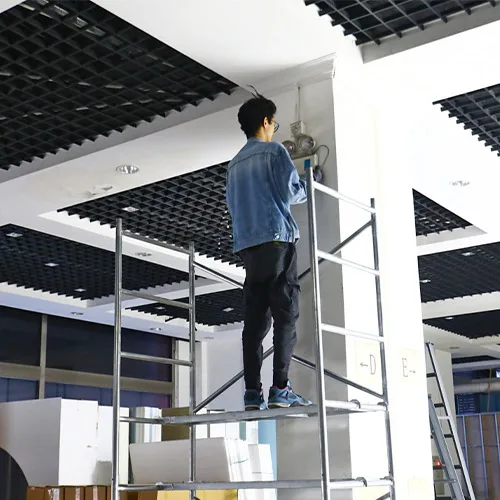
In modern construction engineering, scaffold definition represents far more than a temporary support structure. It is a critical safety system that integrates structural mechanics, load distribution engineering, and occupational safety compliance.
Scaffolding systems are used across residential, industrial, and infrastructure projects to provide safe working platforms at height.
Construction Engineering increasingly treats scaffolding as a regulated engineering system rather than a temporary accessory, especially after global construction safety reforms.
According to international construction safety reports, nearly 65% of high-altitude construction accidents are related to improper scaffolding installation or misuse.
Engineering-Level Scaffold Definition System Overview
A modern scaffolding system is a temporary load-bearing structural framework designed to support workers, materials, and equipment during construction operations.
Core Engineering Objectives
- Provide stable elevated working platforms
- Ensure uniform load distribution
- Prevent structural instability under dynamic load
- Comply with international safety standards
- Minimize risk of collapse or deformation
Structural Mechanics Concept: Load Transfer Path
Scaffolding systems rely on vertical and horizontal load transfer mechanisms:
- Vertical load → transferred to ground base
- Horizontal load → distributed through bracing system
- Dynamic load → absorbed via structural flexibility
Improper load transfer design is the primary cause of structural failure.
Scaffold Definition System Types (Engineering Classification)
Scaffolding systems are classified based on structural configuration, load-bearing behavior, and installation methodology. In modern construction engineering, selecting the correct system directly affects project safety, efficiency, and cost control.
Construction Engineering defines scaffolding systems as temporary structural frameworks designed to safely transfer loads from elevated working platforms to the ground while maintaining stability under dynamic conditions.
1. Frame Scaffolding System
The frame scaffolding system is the most widely used configuration in residential and light construction projects due to its simplicity and cost efficiency.
Engineering Characteristics (Extended Analysis)
- Modular steel frame design with standardized geometry
- Pre-engineered vertical and horizontal connection points
- Lightweight structural components for fast assembly
- Limited structural complexity, reducing installation errors
- Designed primarily for low to medium load applications
Structural Engineering Insight
Frame scaffolding relies on rigid rectangular load distribution geometry, where vertical loads are transferred directly through upright frames to base plates.
This system minimizes lateral complexity but limits adaptability in irregular architectural environments.
Application Scenarios
- Residential building construction
- Exterior wall plastering and painting
- Small-scale renovation projects
- Short-duration maintenance work
Engineering Advantages (Extended)
- Fast installation reduces labor cost by up to 30%
- Minimal training required for workforce deployment
- Economical material usage lowers procurement cost
- High repeatability for standardized construction sites
Engineering Limitations
- Limited adaptability for curved or irregular structures
- Moderate resistance to high lateral wind loads
- Lower load capacity compared to advanced systems
2. Tube and Coupler System
The tube and coupler system is a highly adaptable scaffolding solution used in complex construction environments requiring customized geometry.
Engineering Characteristics (Extended Analysis)
- Independent steel tubes assembled using high-strength couplers
- Fully adjustable spatial configuration for irregular structures
- High structural flexibility for multi-directional load distribution
- No fixed modular constraints, allowing full engineering customization
- Suitable for high-complexity industrial environments
Structural Mechanics Insight
This system operates on a node-based load distribution model, where couplers act as stress transfer joints between steel tubes.
Load is distributed through multiple interconnected paths, improving redundancy and reducing failure risk under uneven loading.
Application Scenarios
- Industrial plant maintenance
- Petrochemical facility construction
- Shipbuilding and offshore platforms
- Bridge reinforcement and inspection systems
Engineering Advantages (Extended)
- Extremely high geometric flexibility
- Superior adaptability to irregular building shapes
- High load-bearing potential when properly engineered
- Can be customized for complex architectural frameworks
Engineering Limitations
- Longer installation time increases labor cost
- Requires highly skilled workers for correct assembly
- Higher inspection requirements due to multiple connection points
3. System Scaffolding (Modular Engineering System)
System scaffolding represents the most advanced form of engineered scaffolding, designed with pre-calculated load paths and standardized connection nodes.
Engineering Characteristics (Extended Analysis)
- Pre-designed structural load distribution pathways
- Standardized locking and connection systems (rosette, wedge, or pin-based)
- High-precision manufacturing ensures structural consistency
- Integrated vertical and horizontal bracing design
- Optimized for rapid deployment and high-load conditions
Structural Engineering Insight
System scaffolding uses a pre-engineered load path model, meaning every component is designed to transfer force efficiently through predefined structural nodes.
This reduces uncertainty in load behavior and significantly improves structural safety performance.
Application Scenarios
- High-rise building construction
- Large infrastructure projects (bridges, stadiums)
- Industrial modular construction systems
- Heavy-load maintenance platforms
Engineering Advantages (Extended)
- Very fast installation speed reduces project timelines by 25%–40%
- High structural safety due to standardized engineering design
- Excellent load distribution efficiency
- Minimal human error during assembly
Engineering Limitations
- Higher initial investment cost
- Requires manufacturer-specific components
- Less flexible for non-standard geometry modifications
Scaffold Definition Structural Comparison Table
| Type | Load Capacity | Flexibility | Installation Speed | Cost Level | Safety Rating |
|---|---|---|---|---|---|
| Frame | Medium | Low | Fast | Low | Medium |
| Tube & Coupler | High | Very High | Slow | Medium | High |
| System Scaffold | Very High | Medium | Very Fast | High | Very High |
Scaffold Definition Safety Engineering Standards
International Regulatory Systems
- OSHA 1926 Subpart L (United States)
- EN 12811 Temporary Works Equipment (Europe)
- ISO 45001 Occupational Safety Systems
Engineering Safety Requirements
- Minimum load factor: 4:1 safety ratio
- Maximum platform deflection: L/200
- Mandatory inspection cycle: daily before use
- Ground bearing capacity validation required
Industry Insight: Global Accident Data
According to construction safety reports:
- 30% of scaffolding failures result from improper anchoring
- 25% due to overloading platforms
- 20% from assembly errors
- 15% from poor material quality
- 10% from environmental factors
Engineering Analysis: Load Distribution in Scaffold Definition Systems
Vertical Load System
Includes:
- Worker weight
- Material storage load
- Equipment load
Horizontal Stability System
Includes:
- Wind load resistance
- Lateral force absorption
- Structural bracing support
Dynamic Load Behavior
Dynamic forces occur due to:
- Worker movement
- Material shifting
- Wind vibration
Improper dynamic load handling increases collapse risk significantly.
Scaffold Definition vs Alternative Access Systems
Scaffolding vs Ladder Systems
| Feature | Scaffolding | Ladder |
|---|---|---|
| Stability | High | Low |
| Load Capacity | High | Very Low |
| Working Area | Large | Very Limited |
| Safety Level | High | Moderate |
Scaffolding vs Aerial Work Platforms
| Feature | Scaffolding | Aerial Platform |
|---|---|---|
| Mobility | Low | High |
| Setup Time | Longer | Fast |
| Cost Efficiency | High | Medium |
| Load Capacity | High | Medium |
Real Engineering Case Studies
Case Study 1: High-Rise Construction Project (Asia)
- System used: Modular system scaffolding
- Height: 180 meters
- Duration: 14 months
Results:
- 22% reduction in installation time
- 35% improvement in worker safety compliance
- Zero structural failure incidents
Case Study 2: Industrial Maintenance Project (Europe)
- System used: Tube and coupler scaffolding
- Application: petrochemical plant maintenance
Results:
- High adaptability to irregular structures
- 18% reduction in labor cost
- Improved inspection efficiency
Case Study 3: Infrastructure Bridge Project (Middle East)
- System used: heavy-duty system scaffolding
Results:
- High wind resistance performance
- 40% improvement in structural stability
- Reduced downtime during construction
Scaffold Definition Failure Mode Engineering (FMEA Analysis)
Common Failure Modes
- Base plate instability
- Overloading platforms
- Incorrect bracing installation
- Corrosion of steel components
- Environmental wind overload
Engineering Prevention Measures
- Load distribution simulation before installation
- Galvanized anti-corrosion steel usage
- Mandatory torque tightening standards
- Real-time structural inspection systems
Procurement Guide: How to Select Scaffolding Systems
Step 1: Define Structural Requirement
- Residential → frame scaffolding
- Industrial → system scaffolding
- Complex geometry → tube and coupler
Step 2: Evaluate Load Requirement
Include:
- Worker load
- Equipment load
- Material stacking load
Step 3: Verify Certification
Ensure compliance with:
- ISO construction standards
- EN safety certifications
- OSHA compliance requirements
Step 4: Analyze Lifecycle Cost
Total cost includes:
- Initial purchase cost
- Installation labor
- Maintenance cycles
- Replacement frequency
Digital Transformation in Scaffold Definition Systems
1. BIM Integration
Building Information Modeling systems are increasingly used to simulate scaffolding structures before installation.
Benefits:
- Collision detection
- Load simulation
- Structural optimization
2. Smart Monitoring Systems
Modern scaffolding includes:
- Load sensors
- Tilt detection systems
- Real-time stability monitoring
3. AI-Based Safety Prediction
AI systems can predict:
- Structural overload risk
- Failure probability
- Maintenance timing
Industry Trends & Market Outlook
Global Market Growth
- CAGR: 5%–6.5% (2025–2030)
- High demand in Asia-Pacific infrastructure expansion
- Increasing adoption in renewable energy construction
Key Industry Drivers
- Urbanization projects
- Industrial facility expansion
- Infrastructure modernization
- Safety regulation enforcement
FAQ
What is scaffold definition in engineering?
It refers to a temporary structural system designed to support workers and materials during construction at height.
What are the safest scaffolding systems?
System scaffolding is considered the safest due to standardized engineering design.
How often should scaffolding be inspected?
Before use, after modifications, and at least once daily during operation.
What causes most scaffolding accidents?
Improper installation, overloading, and weak anchoring are the top causes.
What is the lifespan of scaffolding materials?
High-quality galvanized steel scaffolding can last 10–15 years with proper maintenance.
Conclusion
A precise understanding of scaffold definition is essential for modern construction safety and efficiency.
From structural mechanics to digital monitoring systems, scaffolding has evolved into a fully engineered safety system that directly impacts construction productivity, worker protection, and project success.
As global construction standards continue to tighten, future scaffolding systems will become more intelligent, modular, and data-driven, significantly reducing accident rates and improving operational efficiency across the industry.
Thank you for reading! We hope our insights help you work safely and efficiently with frame scaffolds and other construction equipment. For more updates, tips, and discussions, connect with us on Facebook. Join our community to stay informed, share experiences, and engage with fellow professionals in the scaffolding industry.