Table of Contents
Scaffolding frames are a fundamental component of construction and industrial work, providing secure access for workers at height. Unlike ladders or temporary planks, scaffolding frames offer stability, support, and flexibility, which are critical for both short-term projects and long-term construction tasks. Understanding the safety guidelines for scaffolding frames can prevent accidents, improve workflow efficiency, and ensure compliance with safety standards. This article will provide a comprehensive look at scaffolding frames, covering types, installation, usage, maintenance, and key safety considerations.
Introduction
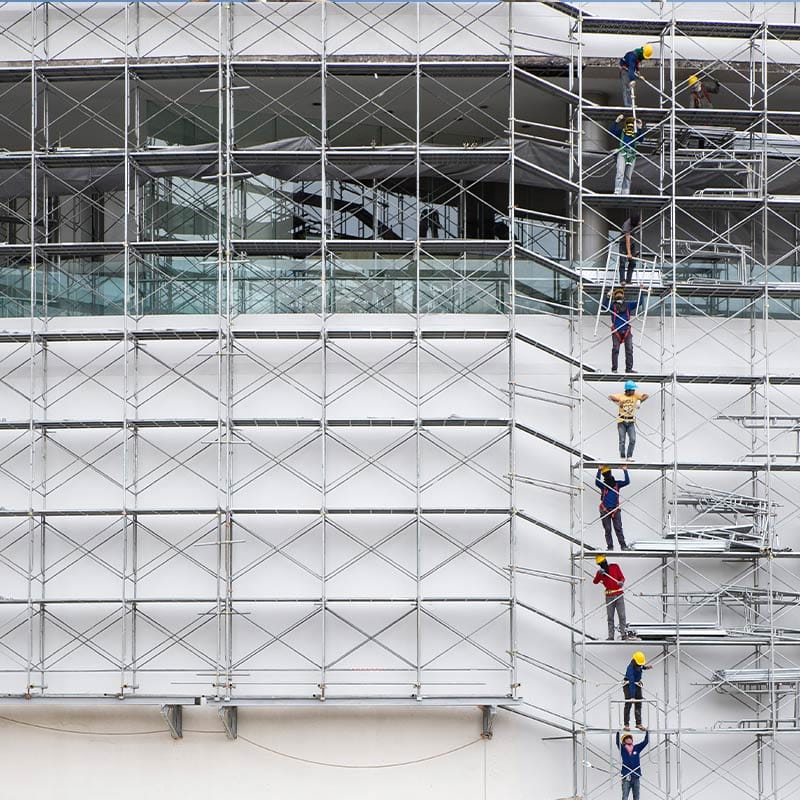
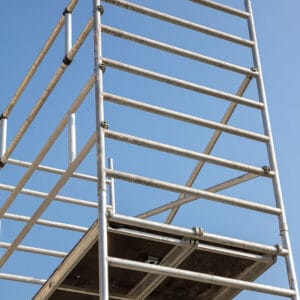
Scaffolding frames are modular structures designed to create safe access pathways for workers. They are widely used in construction, renovation, and industrial maintenance. Their primary purpose is to support vertical and horizontal movement safely while carrying tools or materials. Scaffold frames come in various sizes and configurations, allowing customization to fit different job site conditions. According to a construction safety report by the National Construction Safety Council, scaffolding-related incidents account for a significant portion of on-site injuries, highlighting the importance of proper scaffolding frame use.
Key Safety Standards for Scaffold Frames
Safety is the cornerstone of using scaffolding frames. Most professional worksites follow strict industry regulations that govern scaffold assembly, load capacity, and usage. The recommended maximum load for standard scaffolding frames ranges from 225 to 300 kilograms per platform, depending on material and design specifications. Compliance with international safety codes ensures that scaffold frames provide adequate support and reduce the risk of falls, which are among the leading causes of workplace injuries.
Types of Scaffold Frames and Their Safety Features
Scaffolding frames are available in different configurations and materials, each offering unique advantages:
- Fixed Scaffold Frames: These are permanently installed at the worksite, offering robust support for long-term projects.
- Portable Scaffold Frames: Lightweight and easy to transport, suitable for smaller or temporary jobs.
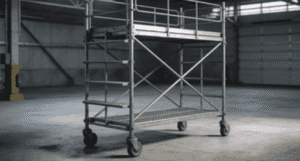
- Mobile Scaffold Frames: Equipped with wheels for flexibility, ideal for moving tasks.
- Modular Scaffold Frames: Allow sections to be added or removed, accommodating various heights and layouts.
Materials play a crucial role in safety and durability. Steel scaffolding frames provide heavy-duty strength, while aluminum frames offer lightweight portability without compromising load capacity. Choosing the right type of scaffold frame depends on project requirements, worker safety considerations, and site conditions.
Proper Installation Techniques
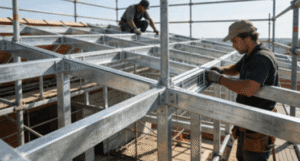
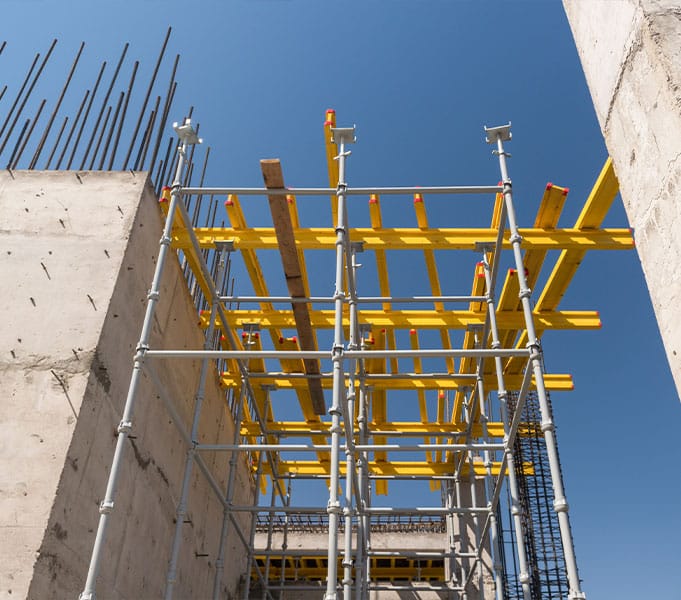
Correct installation is essential to ensure scaffolding frame stability. Before setting up, the ground must be level and free of obstructions. Frames should be anchored securely to prevent tipping, and cross-bracing must be installed according to manufacturer specifications. Common mistakes include skipping leveling steps, overextending frames, or failing to secure platforms, all of which can increase accident risk. Proper training is essential, and workers should follow a step-by-step assembly procedure to maintain safety.
Safe Usage Practices
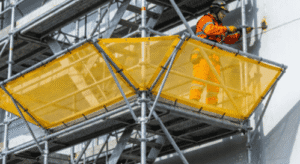
Using scaffolding frames safely involves understanding weight limits, proper positioning, and maintaining balance. Workers should avoid overloading platforms and distribute weight evenly. Handrails and guardrails should be installed whenever possible, and workers should ascend and descend using the designated stairways or ladders. Scaffolding frames are designed to support movement, but caution is necessary, especially when carrying tools or materials. Proper footwear and personal protective equipment (PPE) enhance safety further.
Inspection and Maintenance Guidelines
Regular inspections are critical to scaffold frame safety. Check for structural damage, loose connections, or corrosion. Platforms should be free of debris, and handrails must be intact. Routine maintenance extends the lifespan of scaffolding frames and ensures that safety is not compromised. Damaged frames should be repaired or replaced immediately. Proper storage—off the ground and away from moisture—prevents rust and material degradation.
Here’s a comparison table highlighting key scaffolding frame types and their characteristics:
| Scaffold Frame Type | Material | Load Capacity | Portability | Best Use Case |
|---|---|---|---|---|
| Fixed Frames | Steel | 300 kg/platform | Low | Long-term construction projects |
| Portable Frames | Aluminum | 225 kg/platform | High | Temporary jobs and small sites |
| Mobile Frames | Steel/Alum | 250-300 kg | Medium | Tasks requiring movement across site |
| Modular Frames | Steel/Alum | 225-300 kg | Medium | Adjustable height and layouts |
Scaffold Frames vs Other Access Systems
Scaffolding frames offer several advantages over ladders or scaffolding towers. Ladders provide minimal stability and are prone to tipping, while scaffold towers can be cumbersome and limited in configuration. Scaffolding frames combine safety, stability, and flexibility, making them suitable for high-traffic areas, long-duration projects, and multi-level access. Choosing scaffold frames ensures that both workers and materials are supported safely throughout the project.
Selecting the Right Scaffold Frames for Your Site
Selecting the right scaffold frames involves evaluating project height, load requirements, and site conditions. Steel frames are ideal for heavy-duty, long-term projects, while aluminum frames are better for short-term, portable solutions. Consider the availability of suppliers, compliance with safety standards, and overall cost versus durability. Investing in high-quality scaffold frames enhances both safety and efficiency.
Common Safety Mistakes and How to Avoid Them
- Overloading platforms beyond recommended weight limits.
- Skipping proper anchoring or leveling during installation.
- Ignoring routine inspections or delaying maintenance.
- Removing guardrails or handrails for convenience.
- Using damaged frames instead of replacing them.
Awareness and adherence to safety protocols prevent accidents and create a more productive work environment.
Conclusion
Scaffold frames are an essential component for safe and efficient access on construction and industrial sites. By understanding the different types, proper installation methods, and maintenance routines, you can significantly reduce the risk of accidents and ensure your workers remain protected. Regular inspections, adherence to load capacities, and the use of handrails and guardrails are critical measures that contribute to a safer job site. Choosing high-quality scaffold frames tailored to your project’s needs not only improves safety but also boosts productivity and efficiency.
FAQ
What are scaffold frames used for?
Scaffold frames provide safe vertical and horizontal access for workers on construction and industrial sites, supporting both people and materials.
How do scaffold frames improve job site safety?
They offer wide steps, handrails, and stable anchoring, reducing slips, falls, and tipping compared to ladders or temporary platforms.
What materials are scaffold frames made from?
Common materials include steel for heavy-duty projects and aluminum for lightweight, portable setups, balancing strength and mobility.
Can scaffold frames be used indoors and outdoors?
Yes, they are suitable for both environments, with outdoor versions often featuring corrosion-resistant coatings for durability.
How should scaffold frames be maintained?
Inspect regularly for damage, clean debris from platforms, check handrails, and replace worn or broken components to ensure safety.
Need Help Choosing the Right Scaffold Frames?
If you’re unsure which scaffold frames are best for your construction or industrial site, our experts are here to help. Contact us today for a personalized consultation, and ensure your workers have safe, reliable access at every height. Don’t wait until an accident happens—get in touch now to protect your team and your project!