Table of Contents
Introduction

A scaffold ladder is a specialized access solution designed to provide safe and stable vertical movement within scaffolding systems. Unlike standard ladders, a scaffold ladder is engineered to integrate with temporary structures used in construction, maintenance, and industrial environments.
In modern worksites, safe access is not optional. According to safety guidelines published by organizations such as the Occupational Safety and Health Administration, a significant percentage of workplace injuries are related to falls from height. This makes properly designed access equipment like scaffold ladders essential for both compliance and worker protection.
You will typically find scaffold ladders used in building construction, equipment maintenance, warehouse operations, and even large-scale renovation projects. Their role is simple but critical: ensuring workers can move vertically without compromising safety or efficiency.
Key Components of a Scaffold Ladder
Understanding how a scaffold ladder works starts with knowing its main components.
Ladder Frame Structure
The frame provides the overall structural integrity. It is designed to handle dynamic loads while maintaining stability within a scaffold system.
Rungs and Anti-Slip Features
Rungs are spaced for ergonomic climbing and often include anti-slip surfaces. These features reduce the risk of slipping, especially in demanding environments.
Support Systems and Stabilizers
Stabilizers and brackets secure the ladder to the scaffold frame, preventing movement during use. This is one of the key differences from free-standing ladders.
Materials Used (Aluminum vs Steel)
Most scaffold ladders are made from aluminum or steel. Aluminum offers lightweight handling and corrosion resistance, while steel provides higher load capacity and durability in heavy-duty applications.
How Does a Scaffold Ladder Work?
A scaffold ladder works by being firmly attached to a scaffold structure, allowing workers to climb safely between different working levels.
Basic Working Principle
The ladder distributes the user’s weight evenly across its frame and into the scaffold structure. This reduces stress on any single point and enhances stability.
Integration with Scaffolding Systems
Unlike standalone ladders, scaffold ladders are often fixed or hooked into the scaffolding system. This integration ensures the ladder remains secure even during frequent use.
Load Distribution and Stability Mechanism
The design ensures that loads are transferred through the ladder into the scaffold base. According to engineering safety studies in construction access systems, proper load distribution can reduce structural stress by up to 30%, significantly improving safety margins.
Types of Scaffold Ladders Available
Different job requirements call for different types of scaffold ladders.
Fixed Scaffold Ladders
Installed permanently within a scaffold system, offering maximum stability.
Portable Scaffold Ladders
Designed for flexibility, these can be moved and repositioned easily.
Folding Scaffold Ladders
Compact and convenient, ideal for transport and storage.
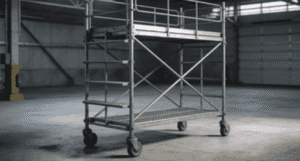
Mobile Scaffold Ladders
Equipped with wheels, allowing movement across worksites without dismantling.
Advantages of Using a Scaffold Ladder
A scaffold ladder offers several advantages over traditional access solutions.
Enhanced Safety Compared to Regular Ladders
Because they are secured to a structure, scaffold ladders significantly reduce the risk of tipping or slipping.
Flexibility and Versatility
They can be used across various industries and adapted to different heights and configurations.
Easy Installation and Mobility
Many designs allow quick setup, saving time on-site.
Cost-Effectiveness for Contractors
Investing in a reliable scaffold ladder reduces long-term costs related to accidents, downtime, and equipment replacement.
Scaffold Ladder vs Other Ladder Types
Choosing the right ladder often involves comparing options.
Scaffold Ladder vs Extension Ladder
Extension ladders are portable but lack the stability of scaffold ladders when used at height.
Scaffold Ladder vs Step Ladder
Step ladders are suitable for low-height tasks but are not designed for integration with scaffolding systems.
Scaffold Ladder vs Full Scaffolding System
While scaffolding provides a working platform, scaffold ladders provide safe access within that system. Both are complementary rather than interchangeable.
Safety Guidelines for Using a Scaffold Ladder
Safety is the most critical aspect when using any elevated access equipment.
Proper Setup and Installation
Ensure the ladder is securely attached and positioned at the correct angle.
Weight Limits and Load Capacity
Always follow manufacturer specifications. Exceeding load limits can compromise structural integrity.
OSHA and Industry Safety Standards
Compliance with standards set by organizations like the Occupational Safety and Health Administration ensures safe usage practices.
Common Safety Mistakes to Avoid
- Using a damaged ladder
- Improper installation
- Ignoring weight limits
- Failing to inspect before use
How to Choose the Right Scaffold Ladder
Selecting the right scaffold ladder depends on your specific needs.
Selecting the Right Size and Height
Choose a ladder that matches your working height requirements without overextending.
Choosing the Right Material
Aluminum is ideal for lightweight tasks, while steel suits heavy-duty environments.
Evaluating Weight Capacity
Consider both user weight and tools or materials being carried.
Key Features to Look For
- Anti-slip rungs
- Corrosion resistance
- Easy installation design
- Compatibility with scaffolding systems
Scaffold Ladder Maintenance and Inspection
Regular maintenance ensures long-term performance and safety.
Routine Inspection Checklist
Inspect for cracks, loose connections, and worn-out components before each use.
Cleaning and Storage Tips
Keep the ladder clean and store it in a dry environment to prevent corrosion.
When to Repair or Replace
If structural damage is detected, replacement is recommended rather than repair, especially in load-bearing components.
Applications of Scaffold Ladders in Different Industries
Scaffold ladders are used across multiple sectors.
Construction and Building Projects
Provide safe access to elevated work areas.
Warehouse and Industrial Use
Assist in maintenance and inventory management tasks.
Home Improvement and DIY Projects
Offer a safer alternative for high-reach tasks in controlled environments.
Comparison Table of Scaffold Ladder Types
| Type | Material Options | Mobility | Load Capacity | Best Use Case |
|---|---|---|---|---|
| Fixed Scaffold Ladder | Steel/Aluminum | Low | High | Permanent structures |
| Portable Scaffold Ladder | Aluminum | High | Medium | Flexible job sites |
| Folding Scaffold Ladder | Aluminum | Medium | Medium | Transport and storage |
| Mobile Scaffold Ladder | Steel/Aluminum | Very High | High | Large-scale dynamic worksites |
This comparison highlights how choosing the right scaffold ladder depends on your operational needs rather than a one-size-fits-all approach.
Where to Buy a High-Quality Scaffold Ladder
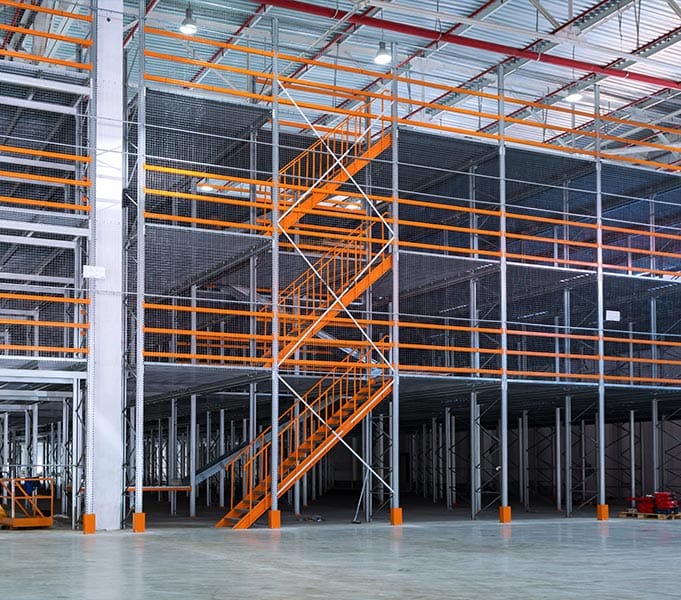

Finding a reliable supplier is just as important as choosing the right product.
Choosing a Reliable Supplier or Manufacturer
Look for manufacturers with proven experience, certifications, and consistent product quality.
Benefits of Buying from a Factory
Direct sourcing often provides better pricing, customization options, and quality control.
Custom Scaffold Ladder Options for Businesses
Many manufacturers offer tailored solutions based on project requirements, including size, material, and load capacity adjustments.
Conclusion
A scaffold ladder is more than just an access tool. It is a critical component of safe and efficient work at height. By understanding how it works, its types, and how to choose the right one, you can significantly improve both safety and productivity on your projects.
Whether you are managing a construction site or sourcing equipment for industrial use, investing in the right scaffold ladder ensures long-term reliability and compliance with safety standards.
FAQ
What is a scaffold ladder used for?
A scaffold ladder is used to provide safe and stable access between different levels of a scaffolding system on construction or industrial sites.
How is a scaffold ladder different from a regular ladder?
A scaffold ladder is designed to be secured to a scaffold structure, offering better stability and safety compared to a regular free-standing ladder.
What materials are scaffold ladders made of?
Scaffold ladders are commonly made from aluminum for lightweight use or steel for heavy-duty applications and higher load capacity.
How do you ensure safety when using a scaffold ladder?
Always secure the ladder properly, follow weight limits, inspect it before use, and ensure it is installed on a stable structure.
How do I choose the right scaffold ladder?
Choose based on height requirements, load capacity, material, and compatibility with your scaffolding system to ensure safety and efficiency.
Need Help Choosing the Right Scaffold Ladder?
If you’re unsure which scaffold ladder is best for your project or work environment, our experts are here to help. Contact us today for a personalized consultation and find a solution that meets your safety and performance needs. Don’t wait until risks arise—get in touch now to ensure efficiency, reliability, and safe access at every height!