Table of Contents
Introduction
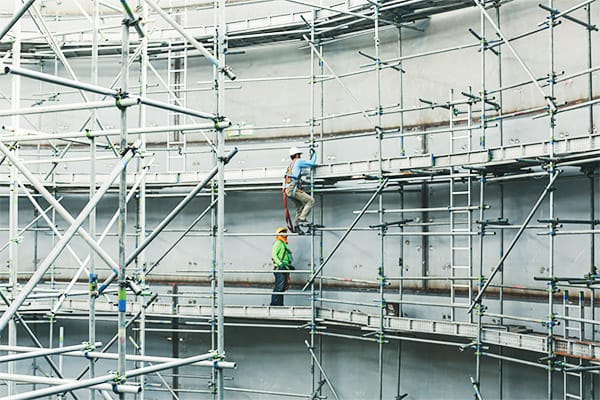
Scaffolding casters are essential components that transform traditional scaffolding into mobile, flexible work platforms. By equipping scaffolds with high-quality casters, workers can quickly reposition elevated platforms, reduce downtime, and improve workflow efficiency. On busy job sites, this mobility can significantly increase productivity while maintaining safety. According to industrial safety reports, using mobile scaffolds with casters can decrease setup and relocation time by up to 40%, providing both operational and economic benefits.
What Are Scaffolding Casters?
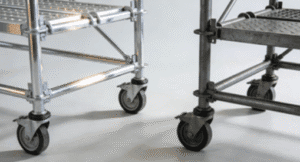
Mobile scaffold wheels are specialized wheels designed for integration with scaffolding systems. They enable the entire scaffold structure to roll smoothly across the job site while remaining stable when locked. Key features include:
- Locking mechanisms to prevent movement during work
- Swivel capabilities for easy turning
- Heavy-duty construction to support scaffold weight
- Non-marking materials for indoor use
- Compatibility with steel and aluminum scaffolds
Benefits of Using Scaffolding Casters
Mobile scaffold wheelss improve job site efficiency and worker safety in multiple ways:
- Quick Mobility: Move scaffolds without disassembly
- Reduced Labor: Less effort needed to reposition scaffolds
- Enhanced Safety: Locking mechanisms stabilize the platform during use
- Adaptability: Suitable for indoor and outdoor work environments
- Time Efficiency: Faster setup and workflow transitions
Indoor Applications
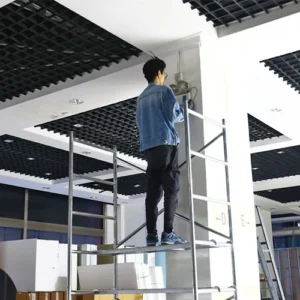
Indoor projects often require frequent scaffold repositioning. Casters make these tasks easier:
- Accessing multiple floors in warehouses or commercial spaces
- Painting and maintenance in tight areas
- Electrical, HVAC, or ceiling installation
- Interior construction where movement is frequent
Outdoor Applications
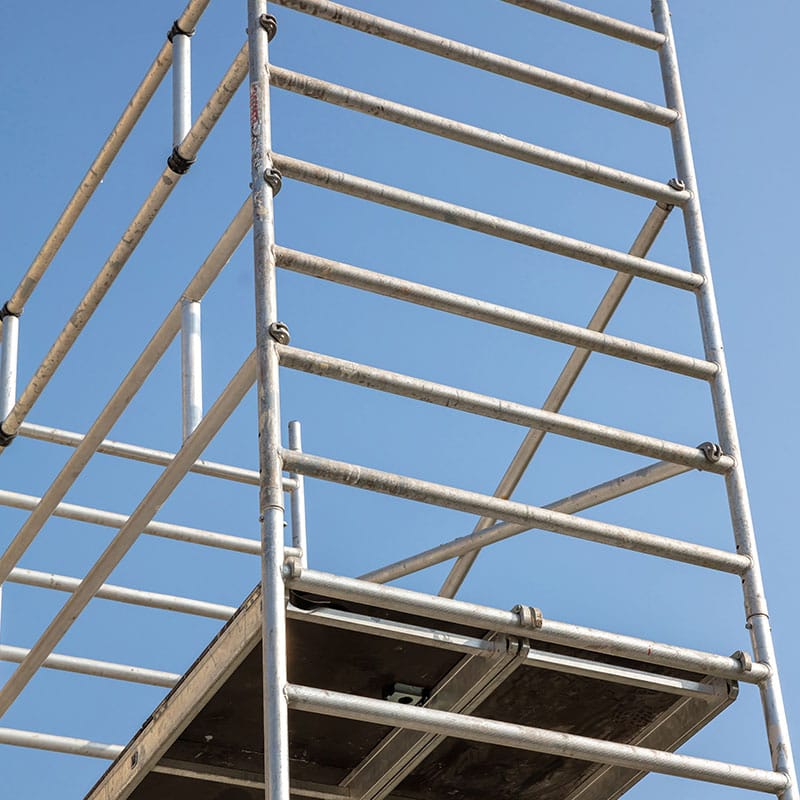
Mobile scaffold wheels are equally valuable on outdoor sites:
- Building facades and exterior renovations
- Window installations and inspections
- Roof access for maintenance or repair
- Temporary platforms for events or industrial sites
Stabilizing outriggers or locking casters ensure safety even on uneven surfaces.
Types of Scaffolding Casters
| Type | Features | Best Use Case | Material |
|---|---|---|---|
| Fixed Casters | Non-swiveling, high load capacity | Long, straight moves | Steel |
| Swivel Casters | 360° rotation | Tight spaces, maneuvering | Aluminum/Steel |
| Locking Casters | Built-in brakes for stability | Safe work on elevated platforms | Steel |
| Heavy-Duty Casters | High load support | Industrial scaffolding | Steel |
Choosing the right caster type ensures both mobility and stability on the job site.
Safety Tips for Scaffolding Casters
Proper use and maintenance are critical:
- Always lock casters before stepping on the scaffold
- Inspect wheels for damage or debris before moving
- Ensure the load does not exceed the caster’s capacity
- Use on stable, even surfaces whenever possible
- Train workers on safe mobility practices
Following these practices reduces accidents and ensures compliance with safety standards.
Choosing the Right Scaffolding Casters
When selecting casters, consider:
- Weight capacity relative to the scaffold and materials
- Surface type (smooth, rough, indoor, or outdoor)
- Required mobility and swivel capabilities
- Material durability and weather resistance
- Compatibility with scaffold type and structure
Selecting high-quality casters tailored to your project improves safety and efficiency.
Maintenance and Inspection
Regular maintenance ensures long-term reliability:
- Clean casters to remove dirt and debris
- Check brakes and locking mechanisms regularly
- Replace worn or damaged wheels promptly
- Lubricate moving parts for smooth operation
- Store scaffolds with casters properly when not in use
Consistent inspection and maintenance extend the lifespan of casters and prevent worksite accidents.
Conclusion
Mobile scaffold wheelss are a practical solution for enhancing mobility, safety, and efficiency on both indoor and outdoor job sites. Choosing the right type, maintaining them properly, and following safety guidelines ensures your scaffolds perform reliably while reducing downtime. Integrating quality casters into your scaffolding system is a smart investment in productivity and worker safety.
FAQ
What are scaffolding casters used for?
Scaffolding casters are wheels attached to scaffolds to enable easy movement across job sites. They allow workers to reposition platforms quickly, improve workflow efficiency, and reduce setup time, while providing stability when locked.
How do I choose the right scaffolding casters?
Select casters based on scaffold weight, surface type, swivel or fixed needs, and locking capability. Heavy-duty projects require steel casters, while indoor or lightweight scaffolds can use aluminum. Always check compatibility and load capacity.
Are scaffolding casters safe to use on uneven surfaces?
Yes, if used with caution. Locking mechanisms stabilize the scaffold, and adding outriggers can improve balance. Inspect surfaces beforehand and avoid moving scaffolds while workers are on them to prevent accidents.
How do I maintain scaffolding casters?
Regularly clean wheels, check brakes and locks, lubricate moving parts, and replace damaged components. Proper maintenance ensures smooth operation, prevents accidents, and extends the lifespan of your scaffolding casters.
Can scaffolding casters be used outdoors?
Absolutely. Outdoor casters are built with durable materials like steel or weather-resistant aluminum. Ensure locking features and outriggers are used to maintain safety on uneven terrain or rough construction sites.
Need Help Choosing the Right Scaffolding Casters?
If you’re unsure which scaffolding casters are best for your job site or project, our experts are here to help. Contact us today for a personalized consultation, and ensure your scaffolds are safe, stable, and efficient. Don’t wait—get in touch now to enhance mobility and protect your workers!