Table of Contents
Introduction
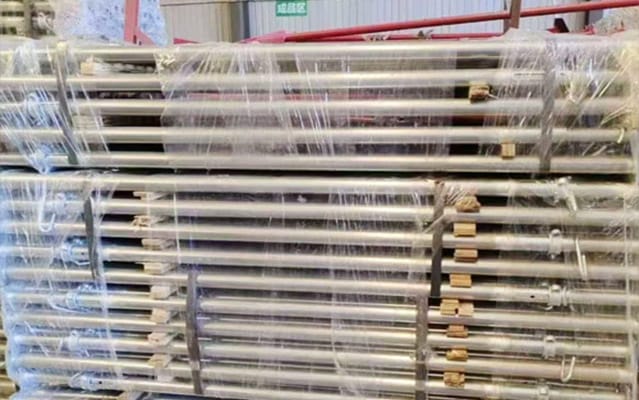
Scaffolding handrails are a critical safety component in modern construction systems. Designed to prevent falls and provide stability, they form an essential part of any elevated work platform. Whether used in residential building projects, industrial maintenance, or large-scale infrastructure work, scaffolding handrails significantly reduce workplace accidents and improve operational safety.
According to construction safety data, fall protection systems such as handrails are among the most effective measures for reducing injuries on elevated job sites. This makes understanding their design, types, and proper usage essential for contractors and site managers.
What Are Scaffolding Handrails?
Scaffold handrails are protective barrier systems installed along the edges of scaffolding platforms. Their primary function is to prevent workers from falling while working at height.
A standard scaffolding handrail system typically includes:
- Top rail (main protective barrier)
- Mid rail (secondary fall prevention)
- Vertical posts (support structure)
- Connection clamps or fittings
Together, these components form a secure perimeter around scaffolding platforms.
Why Scaffolding Handrails Are Important
Scaffold handrails are essential for maintaining safety compliance and protecting workers on construction sites.
Key benefits include:
- Fall Prevention: Reduces the risk of serious injuries or fatalities
- Improved Stability: Provides support when working at height
- Regulatory Compliance: Meets safety standards in most construction codes
- Increased Worker Confidence: Enhances productivity and comfort
- Site Organization: Defines safe working boundaries
Without proper handrails, scaffolding systems are considered incomplete and unsafe in most regulated environments.
Types of Scaffolding Handrails
Different construction environments require different handrail systems:
Fixed Handrails
Installed permanently onto scaffolding structures for long-term projects. They provide maximum stability and safety.
Modular Handrails
Designed for flexible scaffolding systems, allowing quick assembly and disassembly for changing job site requirements.
Temporary Handrails
Used for short-term projects such as maintenance or repair work where scaffolding is not required for extended periods.
Adjustable Handrails
Height-flexible systems suitable for multi-level scaffolding setups.
Table: Comparison of Scaffolding Handrail Types
| Handrail Type | Material Options | Best Use Case | Key Advantage |
|---|---|---|---|
| Fixed Handrails | Steel/Aluminum | Long-term construction | Maximum stability |
| Modular Handrails | Aluminum/Steel | Flexible job sites | Easy assembly/disassembly |
| Temporary Handrails | Steel | Short-term maintenance | Fast installation |
| Adjustable Handrails | Aluminum | Multi-level scaffolds | Height flexibility |
Materials Used in Scaffolding Handrails
The performance of scaffold handrails depends heavily on material selection.
Steel Handrails
- High strength and durability
- Suitable for heavy-duty applications
- Requires corrosion protection
Aluminum Handrails
- Lightweight and easy to install
- Corrosion-resistant
- Ideal for mobile scaffolding systems
Galvanized Steel
- Enhanced rust resistance
- Long service life in outdoor environments
- Common in industrial construction
Installation Guidelines
Proper installation is essential for scaffold handrail safety:
- Ensure all posts are securely fixed
- Maintain correct spacing between rails
- Check all clamps and connectors for tightness
- Install top and mid rails at required heights
- Conduct stability checks before use
Incorrect installation can significantly reduce safety performance.
Safety Standards for Scaffolding Handrails
Scaffold handrails must comply with construction safety regulations such as:
- Minimum height requirements for top rails
- Load resistance standards
- Anti-fall protection regulations
- Structural integrity testing
Compliance ensures safe working conditions and reduces legal risks for contractors.
Common Applications
Scaffold handrails are used across multiple industries:
- Building construction and renovation
- Industrial facility maintenance
- Bridge and infrastructure projects
- Painting and exterior finishing
- Mechanical and electrical installations
Their versatility makes them essential for nearly all elevated work environments.
Maintenance and Inspection
Regular maintenance ensures long-term safety and performance:
- Inspect for rust, cracks, or bending
- Check clamps and fasteners regularly
- Replace damaged components immediately
- Clean surfaces to prevent corrosion buildup
- Verify stability before each use
Routine inspection helps prevent accidents and equipment failure.
Common Mistakes to Avoid
Many site accidents occur due to improper handrail usage:
- Missing mid rails or incomplete systems
- Loose or improperly tightened fittings
- Using damaged or corroded components
- Ignoring safety height standards
- Skipping pre-use inspections
Avoiding these mistakes greatly improves job site safety.
Future Trends in Scaffolding Handrails
Modern construction is driving innovation in safety systems:
- Lightweight high-strength aluminum alloys
- Quick-lock modular handrail systems
- Improved anti-corrosion coatings
- Integrated scaffold safety sensors
- Tool-free installation systems
These advancements improve efficiency while maintaining strict safety standards.
Conclusion
Scaffold handrails are a fundamental safety feature in any elevated work environment. They provide essential fall protection, improve stability, and ensure compliance with construction safety regulations. Choosing the right type, material, and installation method is critical for maintaining a safe and efficient job site.
By investing in high-quality scaffolding handrail systems and following proper safety procedures, contractors can significantly reduce risks and improve overall project performance.
FAQ
What are scaffolding handrails used for?
Scaffolding handrails are safety barriers installed on scaffold platforms to prevent workers from falling. They create a protected working area and are essential for safe elevated construction and maintenance work.
Are scaffolding handrails required by safety regulations?
Yes. In most construction standards, scaffolding handrails are mandatory for work at height. They help ensure compliance with occupational safety regulations and reduce the risk of workplace accidents.
What materials are scaffolding handrails made from?
Common materials include steel, galvanized steel, and aluminum. Steel offers high strength, while aluminum is lightweight and corrosion-resistant, making it suitable for mobile and modular scaffolding systems.
How are scaffolding handrails installed?
Scaffolding handrails are installed using clamps, brackets, or integrated connectors. They must be securely fixed to vertical posts, with top and mid rails properly aligned for maximum safety and stability.
How do scaffolding handrails improve job site safety?
They provide fall protection, define safe working boundaries, and increase worker confidence at height. Properly installed handrails significantly reduce accident risks on construction and maintenance sites.
Need Help Choosing the Right Scaffolding Handrails?
If you’re unsure which scaffolding handrails are best for your construction project, our experts are here to help. Contact us today for a personalized consultation, and ensure your scaffolding system is safe, stable, and fully compliant with industry standards. Don’t wait until it’s too late—get in touch now to protect your workers and improve job site safety!