Key Takeaways in This Article:
- Comprehensive overview of the types of scaffold commonly used in construction.
- Key advantages, disadvantages, and safety considerations for each scaffold type.
- Comparative table highlighting cost, mobility, load capacity, and suitability.
- Real-world examples and industry case studies for practical insight.
- Best practices for scaffold assembly, inspection, and maintenance.
- Guidance on selecting the optimal scaffold type for specific projects.
- Regulatory standards and compliance tips for scaffold usage.
Table of Contents
Introduction
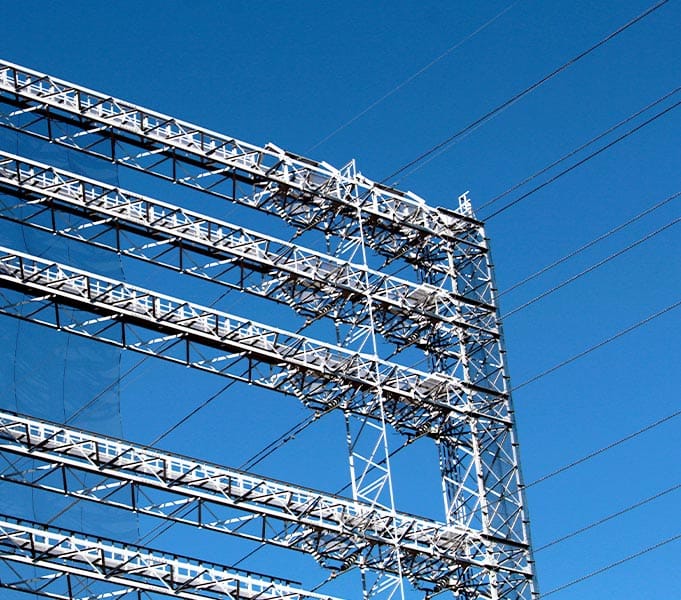
Scaffolding is a fundamental part of modern construction, providing workers with safe, stable, and efficient access to heights and hard-to-reach areas. Construction projects—from residential buildings to skyscrapers—cannot proceed safely without proper scaffolds. Choosing the right types of scaffold influences project safety, cost efficiency, and timeline.
Modern scaffolding systems are designed with durability, modularity, and mobility in mind. Innovations in materials such as lightweight aluminum, high-strength steel, and reinforced composites have expanded the options available to contractors. This guide aims to provide an in-depth understanding of the most effective scaffolding systems, their applications, and how to select the best scaffold type for any project.
Types of Scaffold: Detailed Breakdown
1. Supported Scaffold
Concept Overview
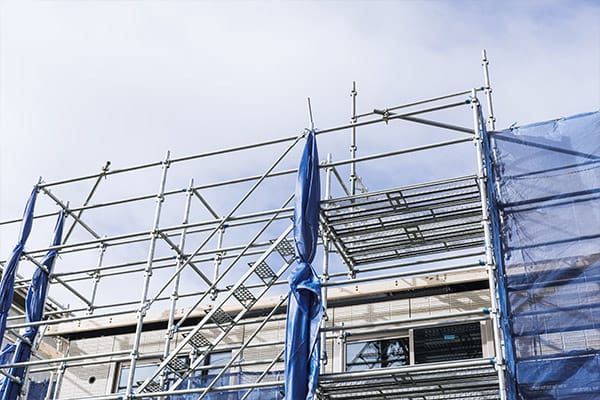
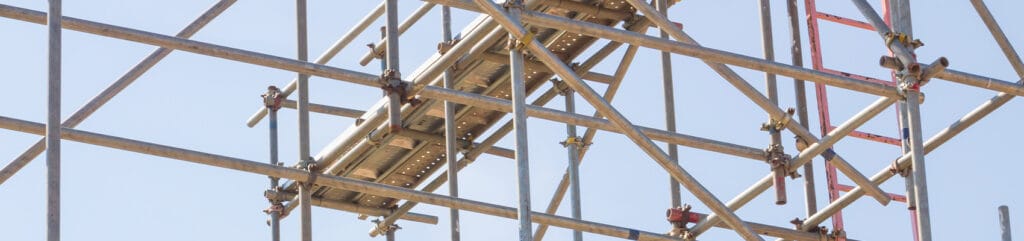
Supported scaffolds are the most widely used types of scaffold, featuring platforms supported by legs or frames from the ground. They provide excellent stability for both workers and materials.
Advantages
- High load capacity, suitable for heavy-duty construction work.
- Easy assembly and disassembly with standardized components.
- Can reach considerable heights safely with proper engineering.
Limitations
- Limited mobility; must be relocated manually or with heavy equipment.
- Requires stable, level ground for safe setup.
Real-World Case
A residential high-rise in Chicago used a multi-level supported scaffold system. The project achieved 15% faster progress compared to using only ladder access, with zero reported scaffold-related incidents.
2. Suspended Scaffold
Concept Overview
Suspended scaffolds hang from overhead supports using ropes or cables. They are ideal for exterior building work, such as window cleaning, facade repairs, and bridge inspections.
Advantages
- Adjustable height for precision work.
- Minimal footprint at ground level, suitable for urban construction sites.
Limitations
- Requires solid anchorage points on roofs or structural beams.
- High-risk setup if safety protocols are not rigorously followed.
Data Insight
Studies show suspended scaffolds reduce ground space requirements by up to 70%, allowing construction in narrow streets without blocking traffic.
3. Rolling Scaffold
Concept Overview
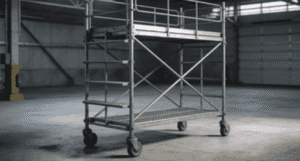
Rolling scaffolds feature wheels and are ideal for indoor or low-rise construction where frequent relocation is required.
Advantages
- High mobility for tasks like painting, ceiling work, and interior installations.
- Easy to adjust height on-site with telescopic systems or screw jacks.
Limitations
- Must secure wheels to prevent movement during use.
- Not suitable for outdoor windy environments or uneven terrain.
Case Study
An office renovation project in London utilized rolling scaffolds, completing interior drywall installation 25% faster due to the ease of moving scaffold units without disassembly.
4. Cantilever Scaffold
Concept Overview
Cantilever scaffolds extend platforms beyond their support points, often used when the ground below is occupied or obstructed.
Advantages
- Provides access over obstacles without hindering ground activities.
- Enables work on facades, roof edges, and bridges.
Limitations
- Requires careful engineering to prevent tipping.
- Higher material costs due to reinforced beams and anchoring.
Technical Insight
Cantilever scaffolds are designed according to EN 12811 standards in Europe, which specify maximum overhang ratios relative to support width for safety.
5. Trestle Scaffold
Concept Overview
Trestle scaffolds use tripods or ladder-like supports and are mainly suitable for low-height indoor maintenance or repair work.
Advantages
- Fast and cost-effective setup.
- Lightweight and portable for small-scale projects.
Limitations
- Low working height, unsuitable for multi-story construction.
- Limited load capacity, generally under 150 kg per platform.
Practical Use
Used extensively in painting and interior finishing, particularly for homes and offices, where floor space is constrained.
6. Ladder Scaffold
Concept Overview
Ladder scaffolds combine a ladder structure with a small platform, providing compact access for minor tasks.
Advantages
- Lightweight and easy to transport.
- Ideal for inspection, electrical work, or minor installations.
Limitations
- Lower stability under heavier loads.
- Limited height and platform size.
Industry Insight
Popular for facility maintenance in warehouses, HVAC installation, and residential electrical works.
7. Modular / Frame Scaffold
Concept Overview
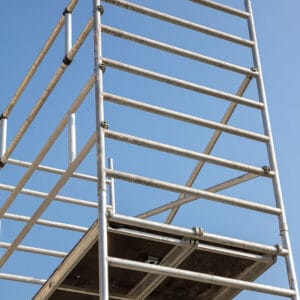
Modular or frame scaffolds use prefabricated frames and interlocking sections to create flexible scaffolding systems.
Advantages
- Extremely versatile for irregular surfaces and high-rise construction.
- High load capacity and strong structural integrity.
Limitations
- Higher upfront cost.
- Requires trained personnel for assembly and dismantling.
Case Study
A Singaporean skyscraper used modular scaffolds to access curved facades safely. The modular system reduced assembly time by 40% compared to custom-built wooden scaffolds.
Comparative Overview of Scaffold Types
| Scaffold Type | Typical Use | Height Limit | Mobility | Load Capacity | Cost Level | Safety Level |
|---|---|---|---|---|---|---|
| Supported Scaffold | General construction | High | Low | Heavy | Medium | High |
| Suspended Scaffold | High-rise exterior work | Very High | Medium | Medium | High | Medium |
| Rolling Scaffold | Indoor work, painting | Medium | High | Medium | Medium | Medium |
| Cantilever Scaffold | Over obstacles | Medium | Low | Medium | Medium | Medium |
| Trestle Scaffold | Low-level maintenance | Low | Low | Light | Low | Medium |
| Ladder Scaffold | Tight spaces | Low | High | Light | Low | Low |
| Modular / Frame Scaffold | Complex/high-rise | Very High | Medium | Heavy | High | High |
Safety Guidelines for All Types of Scaffold
- Inspect all components daily before use.
- Use guardrails, toe boards, and personal fall protection.
- Ensure proper anchoring for suspended and cantilever scaffolds.
- Follow load limits and manufacturer specifications strictly.
Real-World Applications
Residential Construction
- Supported scaffolds and trestle scaffolds dominate small-scale home construction.
- Ladder and rolling scaffolds are preferred for interior finishing and painting.
Commercial High-Rises
- Modular and suspended scaffolds are common for skyscrapers.
- Case study: A 60-story building in Dubai saved 20% labor costs using modular scaffolds.
Industrial Maintenance
- Rolling and ladder scaffolds allow maintenance of machinery and storage racks without halting operations.
Regulatory Compliance and Standards
- OSHA (Occupational Safety and Health Administration) sets scaffold safety standards in the U.S.
- EN 12811 is the European standard for temporary works and scaffolding.
- Compliance ensures safety, minimizes accidents, and reduces liability costs.
Choosing the Right Types of Scaffold
Factors to consider:
- Height and reach requirements.
- Weight and type of materials to be transported.
- Site constraints and surface conditions.
- Project duration and budget.
Decision Tip:
- Low-rise, short-term projects → Trestle or ladder scaffold.
- Medium-rise indoor → Rolling scaffold.
- High-rise, heavy-duty → Modular/frame or suspended scaffold.
Conclusion
Understanding the types of scaffold is essential for safe, efficient, and cost-effective construction. Choosing the right scaffold depends on project requirements, site conditions, load capacity, and budget. Implementing proper safety measures and complying with regulations ensures not only the safety of workers but also the timely completion of construction projects.
FAQ
Q1: Which scaffold type is safest for high-rise projects?
A: Modular/frame scaffolds provide superior stability and load-bearing capacity.
Q2: How often should scaffolds be inspected?
A: Daily visual checks and weekly thorough inspections are recommended.
Q3: Can rolling scaffolds be moved while workers are on them?
A: No, wheels must be locked before anyone uses the scaffold.
Q4: Are suspended scaffolds suitable for windy conditions?
A: No, avoid use in high winds or storms.
Q5: What is the most cost-effective scaffold for indoor maintenance?
A: Ladder or trestle scaffolds are lightweight, portable, and budget-friendly.
Thank you for reading! We hope our insights help you work safely and efficiently with frame scaffolds and other construction equipment. For more updates, tips, and discussions, connect with us on Facebook.
Join our community to stay informed, share experiences, and engage with fellow professionals in the scaffolding industry.