Table of Contents
Introduction
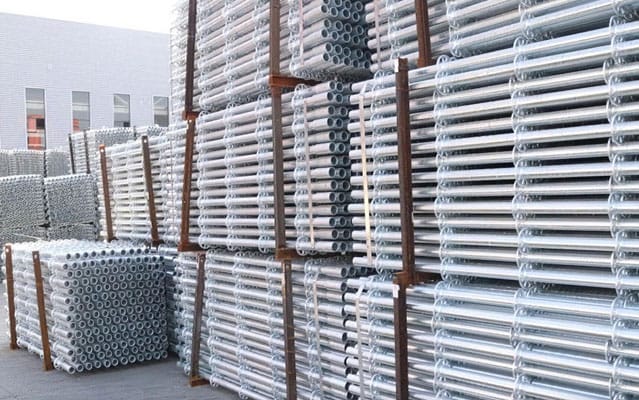
Scaffolding for construction is a fundamental part of modern building and maintenance work. It provides a temporary structure that supports workers, tools, and materials at height, enabling safe and efficient operations. Whether you are working on a small renovation or a large-scale infrastructure project, the right scaffolding system directly impacts productivity, safety, and project timelines.
According to industry safety reports from occupational construction studies, properly selected and installed scaffolding systems significantly reduce fall-related risks, which remain one of the leading causes of workplace incidents. This makes understanding different scaffolding types not just useful, but essential.
What Is Scaffolding for Construction?
Scaffolding for construction refers to a temporary framework made from materials such as steel or aluminum. It is used to access elevated work areas and provide a stable platform for workers.
A typical scaffolding system includes:
- Vertical standards for structural support
- Horizontal ledgers and transoms for stability
- Platforms for working surfaces
- Guardrails and toe boards for safety
Different scaffolding systems are designed to meet specific project requirements, which is why choosing the right type is critical.
Why Choosing the Right Scaffolding Type Matters
Not all scaffolding systems are suitable for every project. The choice depends on factors such as building height, project duration, load requirements, and site conditions.
Using the wrong scaffolding type can lead to:
- Reduced efficiency
- Increased labor costs
- Higher safety risks
- Project delays
A well-matched scaffolding system improves workflow, reduces setup time, and ensures compliance with safety standards.
Main Types of Scaffolding for Construction
Supported Scaffolding
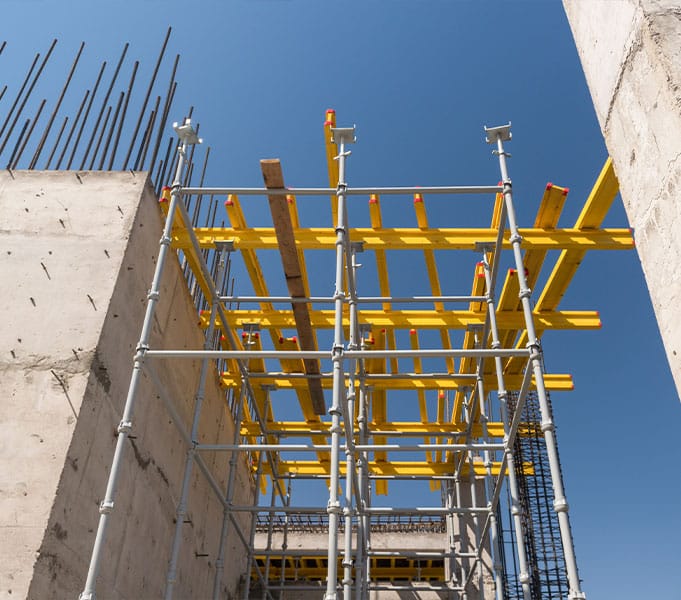
Supported scaffolding is the most commonly used type. It is built from the ground up using vertical supports and horizontal frames.
It is ideal for:
- General construction projects
- Masonry work
- Exterior building maintenance
This type offers high load capacity and stability, making it suitable for long-term use.
Mobile Scaffolding
Mobile scaffolding is equipped with wheels or casters, allowing it to be easily moved without dismantling.
It is best suited for:
- Indoor projects
- Maintenance work
- Painting and finishing tasks
This type improves efficiency by reducing the need for repeated assembly and disassembly.
Cantilever Scaffolding
Cantilever scaffolding is supported on one end and extends outward from a structure. It is used when ground support is not possible.
Typical applications include:
- Bridge construction
- Areas with obstacles at ground level
It requires careful design and engineering due to its unique load distribution.
Trestle Scaffolding
Trestle scaffolding is supported by movable ladders or tripods and is typically used for low-height work.
It is commonly used for:
- Indoor repairs
- Painting and decoration
This type is simple and cost-effective but limited in height and load capacity.
Tube and Coupler Scaffolding
This traditional system uses steel tubes connected with clamps or couplers.
Advantages include:
- High flexibility
- Customizable configurations
- Strong structural performance
It is widely used in complex construction projects where standard systems may not fit.
System Scaffolding
System scaffolding uses pre-engineered components designed for quick assembly and high efficiency.
It is known for:
- Fast installation
- Consistent quality
- High safety standards
This type is increasingly popular in modern construction due to its reliability and efficiency.
Scaffolding for Construction Comparison Table
| Scaffolding Type | Key Advantage | Best Use Case | Limitations |
|---|---|---|---|
| Supported Scaffolding | High stability | General construction | Requires ground space |
| Suspended Scaffolding | Height flexibility | High-rise maintenance | Needs skilled operation |
| Mobile Scaffolding | Easy movement | Indoor and maintenance work | Limited height |
| Cantilever Scaffolding | No ground support needed | Obstructed areas | Complex setup |
| Trestle Scaffolding | Simple and low cost | Low-height tasks | Limited capacity |
| Tube and Coupler | Highly flexible | Complex structures | Slower assembly |
| System Scaffolding | Fast and efficient | Large-scale projects | Higher initial cost |
This comparison helps you quickly identify the most suitable scaffolding type for your specific needs.
Safety Considerations for Scaffolding for Construction
Safety should always be the top priority when using scaffolding. Regardless of the type, proper installation, inspection, and usage are essential.
Key safety practices include:
- Ensuring stable foundations
- Installing guardrails and fall protection systems
- Regular inspection before use
- Avoiding overloading the structure
Industry data from construction safety organizations shows that most scaffolding incidents are caused by improper setup or lack of inspection, rather than equipment failure.
How to Choose the Best Scaffolding for Construction
Choosing the right scaffolding system requires evaluating several factors.
Project height and complexity determine whether you need supported, suspended, or cantilever scaffolding. Mobility requirements influence whether a mobile system is suitable.
Material choice also matters. Aluminum scaffolding is lightweight and easy to move, while steel scaffolding offers greater strength and durability.
You should also consider:
- Duration of the project
- Number of workers using the platform
- Environmental conditions
A well-informed decision improves both safety and efficiency.
Common Mistakes to Avoid
Many project managers make the mistake of choosing scaffolding based only on cost. This often leads to inefficiencies or safety risks.
Other common issues include:
- Using scaffolding beyond its load capacity
- Skipping regular inspections
- Improper assembly
Avoiding these mistakes can significantly improve project outcomes.
Conclusion
Scaffolding for construction is not a one-size-fits-all solution. Each type serves a specific purpose, and understanding their differences allows you to choose the most effective option.
Supported scaffolding offers stability, suspended systems provide flexibility, and mobile scaffolding improves efficiency. System scaffolding delivers speed and reliability for modern projects.
By selecting the right scaffolding type based on your project needs, you can enhance safety, reduce costs, and improve overall productivity.
FAQ
What is scaffolding for construction used for?
Scaffolding for construction is used to provide a safe and stable platform for workers to perform tasks at height, such as building, repairing, painting, and installing structures. It supports both workers and materials, improving efficiency and reducing the risk of falls on job sites.
What are the main types of scaffolding for construction?
The main types include supported scaffolding, suspended scaffolding, mobile scaffolding, cantilever scaffolding, and system scaffolding. Each type is designed for specific applications, depending on project height, complexity, and mobility requirements.
Is scaffolding for construction safe to use?
Yes, scaffolding for construction is safe when properly designed, installed, and inspected. Safety features like guardrails, stable platforms, and load capacity limits help reduce risks. Regular inspections and correct usage are essential for maintaining safety.
How do you choose the right scaffolding for construction?
You should consider factors such as project height, load capacity, duration of use, working environment, and mobility needs. Selecting the right type ensures better safety, efficiency, and cost-effectiveness for your construction project.
What materials are used in scaffolding for construction?
Scaffolding is commonly made from steel or aluminum. Steel offers higher strength and durability for heavy-duty projects, while aluminum is lightweight, easy to assemble, and suitable for projects requiring frequent movement.
Need Help Choosing the Right Scaffolding for Construction?
If you’re unsure which scaffolding system is best for your project, our experts are here to help. Contact us today for a personalized consultation, and ensure your construction setup is safe, efficient, and fully compliant with industry standards. Don’t take risks at height—get in touch now to protect your team and keep your project running smoothly!