Table of Contents
Introduction
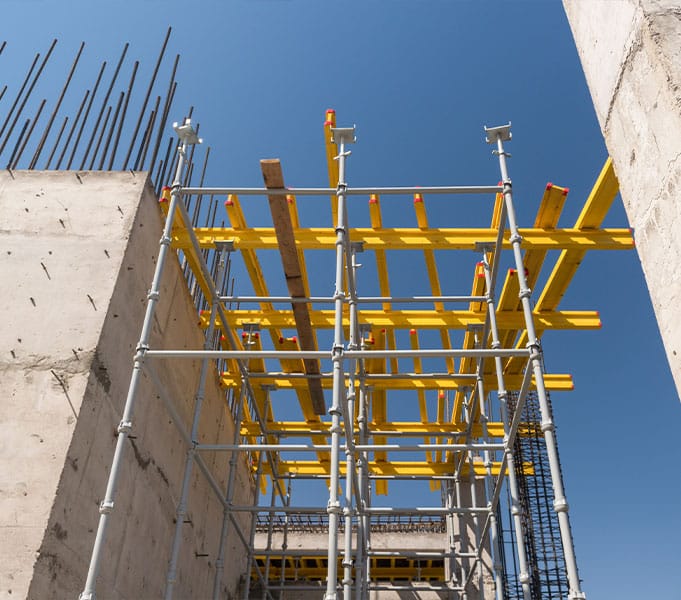
Modern construction projects demand equipment that is safe, efficient, durable, and easy to handle. As construction methods continue to evolve, aluminum scaffolding has become one of the most widely used access solutions across commercial, industrial, and maintenance applications.
Compared with traditional scaffolding materials, aluminum offers a unique balance of strength and lightweight performance. This combination helps contractors improve productivity while maintaining high safety standards on job sites.
Industry reports in the construction equipment sector show increasing adoption of lightweight scaffold systems due to growing demand for faster installation, easier transportation, and improved worker efficiency. Aluminum scaffolding is now considered a preferred choice for many elevated work environments.
What Is Aluminum Scaffolding?
Aluminum mobile scaffold is a temporary elevated work platform made primarily from aluminum alloy materials. It is designed to support workers, tools, and materials safely during construction, maintenance, inspection, and installation tasks.
A standard aluminum scaffolding system typically includes:
- Vertical frames
- Horizontal braces
- Platforms and planks
- Guardrails
- Stabilizers and caster wheels
Because aluminum is lightweight yet structurally strong, these systems are easier to assemble and reposition compared to heavier steel alternatives.
The Growing Demand for Lightweight Scaffold Systems
One major reason aluminum mobile scaffold is popular in modern construction is the industry’s shift toward mobility and efficiency.
Construction projects today often involve:
- Faster project timelines
- Frequent repositioning of equipment
- Reduced labor requirements
- Increased focus on worker safety
Heavy scaffold systems can slow down installation and transportation. Aluminum mobile scaffold solves this issue by reducing overall system weight without compromising structural performance.
This makes it especially useful for projects requiring regular movement between work areas.
Lightweight Design Improves Work Efficiency
Aluminum mobile scaffold is significantly lighter than steel scaffolding, making transportation and assembly much easier.
The lightweight structure helps:
- Reduce worker fatigue
- Improve installation speed
- Lower labor costs
- Increase project efficiency
In many job site environments, crews can assemble aluminum scaffold systems faster than traditional alternatives, reducing downtime and improving workflow.
For mobile scaffolding applications, lighter weight also improves maneuverability.
Corrosion Resistance and Long-Term Durability
Another key advantage of aluminum mobile scaffold is its natural resistance to corrosion.
Unlike untreated steel, aluminum forms a protective oxide layer that helps resist:
- Moisture exposure
- Humidity
- Outdoor weather conditions
- Chemical environments
This corrosion resistance extends the service life of the scaffold system and reduces maintenance requirements.
As a result, aluminum mobile scaffold performs particularly well in:
- Outdoor construction
- Industrial maintenance
- Coastal or humid environments
- Long-term storage situations
Aluminum Scaffolding vs Steel Scaffolding
Although both materials are widely used, aluminum mobile scaffold offers several practical advantages in modern construction.
| Feature | Aluminum Scaffolding | Steel Scaffolding |
|---|---|---|
| Weight | Lightweight | Heavy |
| Corrosion Resistance | Excellent | Moderate |
| Mobility | High | Lower |
| Assembly Speed | Faster | Slower |
| Load Capacity | Moderate to high | Very high |
| Maintenance | Lower | Higher |
| Transportation | Easier | More difficult |
Steel scaffolding may still be preferred for extremely heavy-duty industrial loads, but aluminum systems dominate projects where flexibility and efficiency are priorities.
Improved Safety in Elevated Work
Safety is one of the biggest reasons contractors choose aluminum mobile scaffold.
Modern aluminum scaffold systems often include:
- Anti-slip platforms
- Guardrails
- Locking caster wheels
- Stabilizing braces
- Secure connection systems
The lightweight design also reduces handling injuries during assembly and transportation.
According to construction safety studies, properly installed scaffold systems with integrated fall protection significantly reduce the likelihood of elevated work accidents.
Easy Assembly and Transportation
Construction projects often require equipment to move quickly between locations. Aluminum mobile scaffold simplifies this process.
Its lightweight structure allows:
- Faster loading and unloading
- Easier on-site transportation
- Reduced setup time
- Improved storage efficiency
This is especially valuable for contractors managing multiple projects simultaneously.
Mobile aluminum mobile scaffold towers are particularly popular because they can be repositioned without complete disassembly.
Versatility Across Different Industries
aluminum mobile scaffold is used far beyond traditional building construction.
Common applications include:
- Industrial maintenance
- Electrical installation
- Facility management
- Painting and decorating
- Warehouse maintenance
- Mechanical repair work
Its adaptability makes it suitable for both indoor and outdoor operations.
Environmental and Economic Advantages
Modern construction increasingly focuses on sustainability and operational efficiency. Aluminum scaffolding supports both goals.
Recyclability
Aluminum is highly recyclable and retains much of its material value after reuse. This reduces environmental impact compared to some alternative materials.
Lower Long-Term Costs
Although aluminum scaffolding can have a higher initial cost than some systems, it often delivers lower long-term operating expenses due to:
- Reduced maintenance
- Longer service life
- Faster labor efficiency
- Easier transportation
Over time, these factors improve overall project cost performance.
Common Mistakes When Using Aluminum Scaffolding
Despite its advantages, improper use can still create safety risks.
Common mistakes include:
- Exceeding load capacity
- Improper assembly
- Using damaged components
- Failing to lock caster wheels
- Ignoring regular inspections
Even lightweight systems require proper training and safe operating procedures.
How to Choose the Right Aluminum Scaffolding
Selecting the correct aluminum scaffolding depends on:
- Working height
- Load requirements
- Indoor or outdoor use
- Mobility needs
- Platform size
For projects involving frequent movement, mobile aluminum scaffold towers are often ideal. For higher-load industrial work, reinforced systems may be necessary.
Always verify:
- Material quality
- Safety certifications
- Structural compatibility
- Manufacturer standards
Choosing reliable scaffolding improves both productivity and safety.
Future Trends in Aluminum Scaffolding
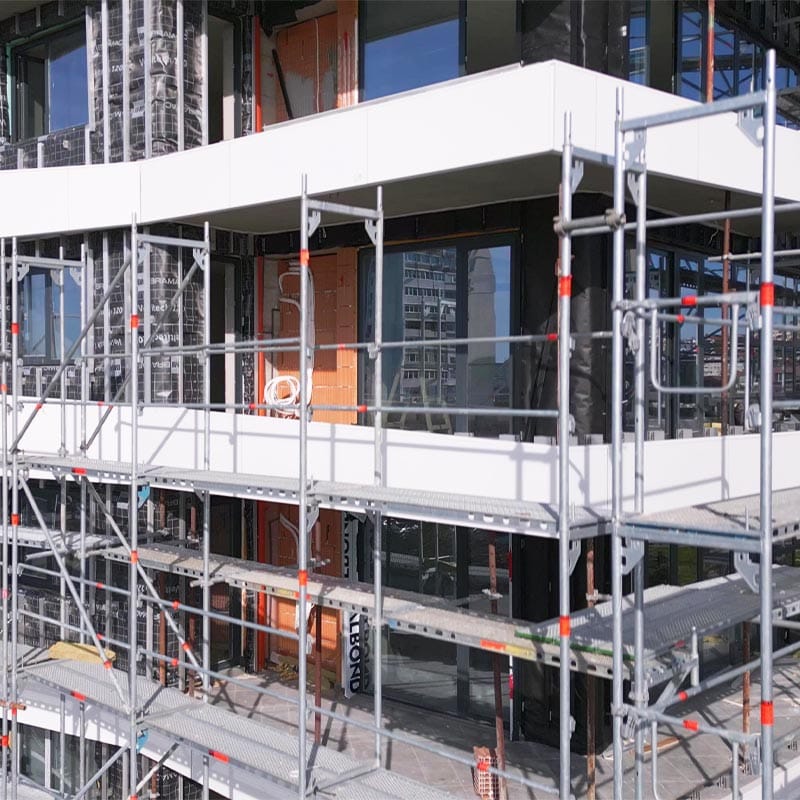
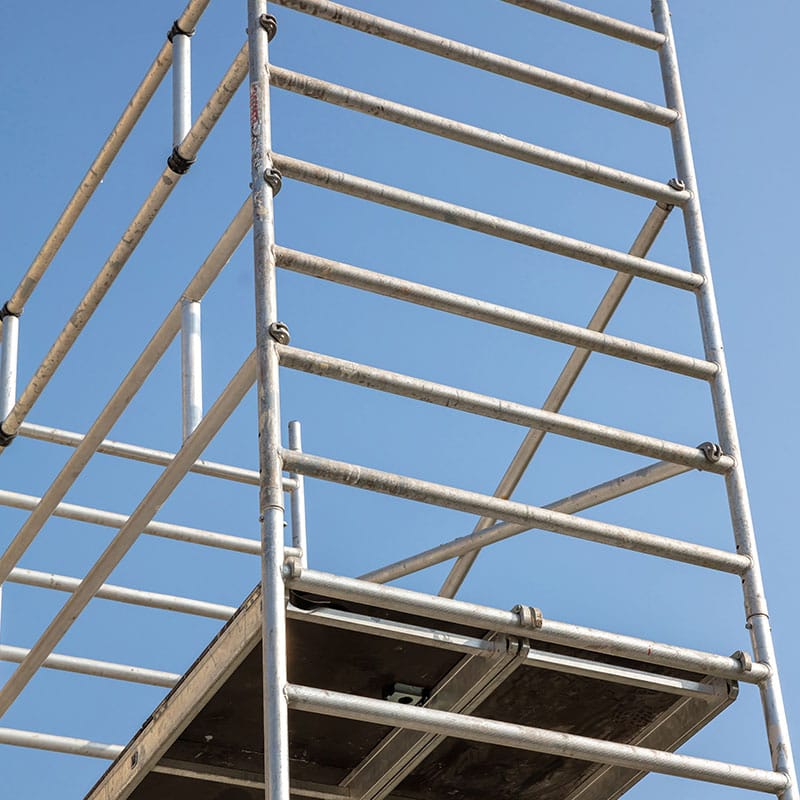
As construction technology advances, aluminum scaffolding systems continue to evolve.
Current industry trends include:
- Modular scaffold designs
- Faster locking mechanisms
- Enhanced mobility systems
- Improved fall protection integration
- Lightweight high-strength aluminum alloys
These innovations are helping construction companies improve operational efficiency while meeting stricter safety requirements.
Conclusion
Aluminum scaffolding has become a preferred solution in modern construction because it combines lightweight mobility, corrosion resistance, durability, and safety.
Its ability to improve installation speed, reduce labor demands, and support safer elevated work makes it highly valuable across a wide range of industries.
As construction projects continue to prioritize efficiency and worker protection, aluminum scaffolding will remain one of the most important access solutions for modern elevated work environments.
FAQ
What is aluminum scaffolding used for?
Aluminum scaffolding is used for elevated work in construction, maintenance, painting, installation, and industrial projects. Its lightweight structure makes it ideal for tasks requiring frequent movement, quick assembly, and safe access to hard-to-reach areas.
Why is aluminum scaffolding more popular than steel scaffolding?
Aluminum scaffolding is lighter, easier to transport, and more resistant to corrosion than steel scaffolding. It improves work efficiency, reduces labor effort, and is widely preferred for projects requiring mobility and fast installation.
Is aluminum scaffolding strong enough for heavy-duty work?
Yes, high-quality aluminum scaffolding offers excellent strength while remaining lightweight. Modern aluminum alloy systems are designed to support workers, tools, and materials safely, although extremely heavy industrial loads may still require steel systems.
What are the main safety features of aluminum scaffolding?
Common safety features include guardrails, anti-slip platforms, locking caster wheels, stabilizers, and secure connection systems. Proper assembly and regular inspections are essential to maintain stability and reduce fall risks during elevated work.
How do you maintain aluminum scaffolding properly?
Aluminum scaffolding should be inspected regularly for loose connections, damaged platforms, or worn components. Cleaning debris, checking caster locks, and storing the system in dry conditions help extend service life and maintain safe performance.
Need Help Choosing the Right Aluminum Scaffolding?
If you’re unsure which aluminum scaffolding system is best for your project, our experts are here to help. Contact us today for a personalized consultation, and ensure your elevated work platform is safe, durable, and fully compliant with industry standards. Don’t compromise on safety and efficiency—get in touch now to protect your workers and improve project performance!