Welcome to the Cangzhou Zichen Building Materials blog!
As a leading manufacturer specializing in the R&D, production, and export of construction equipment, we are dedicated to sharing expert knowledge, practical tips, and industry insights. Whether you work with mobile scaffolding, ringlock scaffolding, or adjustable steel props, our goal is to help you improve safety, efficiency, and project quality.
Keep reading to explore essential practices and advice for scaffold users at every level.
Table of Contents
Introduction
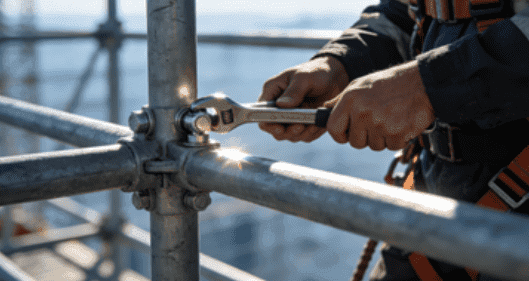
The construction industry relies heavily on systems that protect workers from the many hazards present on different job sites. Among the most essential safety components is the scaffold guard rail, a fundamental structure that minimizes fall risks and strengthens the stability of scaffolding setups. Despite its straightforward appearance, the guard rail plays a significant role in accident prevention and regulatory compliance. Many project managers, contractors, and safety officers still underestimate the importance of using a properly designed scaffold guard rail on elevated platforms.
In any construction or maintenance environment involving height, falls remain a leading cause of injury and fatality. A scaffold guard rail helps reduce this risk by providing a physical barrier between the worker and the open edges of the platform. Beyond physical protection, the presence of compliant guard rails also supports productivity by giving workers the confidence to move, handle tools, and complete tasks efficiently. This article explores in detail why scaffold guard rails matter, how they function, essential design considerations, regulatory expectations, and practical tips for effective implementation.
As we dive deep into this topic, we will examine various types of scaffold guard rail configurations, industry guidelines, materials, load requirements, installation methods, and site-specific best practices. Whether you are purchasing, installing, or maintaining these systems, understanding their role will help ensure a safe working environment for all personnel involved.
What Makes a Scaffold Guard Rail Essential?
Scaffolding systems are designed to provide workers with temporary elevated workspaces, but without proper edge protection, these platforms can become extremely dangerous. A scaffold guard rail significantly reduces the probability of falling accidents by establishing a boundary around the scaffold perimeter. It functions as a clear indicator of safe working limits and acts as a barrier capable of withstanding lateral force if a worker accidentally stumbles or loses balance.
One of the main reasons a scaffold guard rail is essential is its ability to comply with international and local safety standards. Regulatory agencies, such as OSHA, strictly require guard rails on scaffolding above certain height thresholds. Meeting these standards is not simply a formality; compliance ensures that the scaffold structure incorporates safety measures proven to reduce fall-related incidents.
Additionally, a scaffold guard rail promotes worker efficiency. When workers know that they have a secure perimeter, they tend to perform tasks with more focus and fewer delays caused by fear or hesitation. This security increases overall productivity, minimizing downtime related to safety concerns and reducing project delays.
Another aspect that makes a scaffold guard rail important is its adaptability. These rails can accommodate different scaffold heights, lengths, and configurations. Manufacturers offer modular designs that allow easy assembly, disassembly, and adjustment on-site, providing maximum flexibility for various construction needs.
Key Benefits of Using a Scaffold Guard Rail System
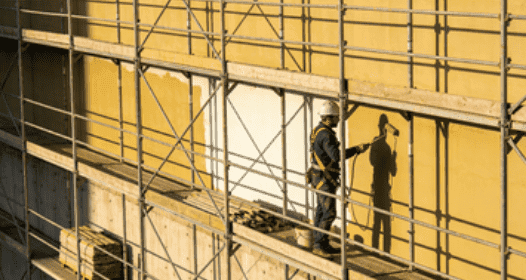
A scaffold guard rail system delivers multiple benefits beyond fall protection. As safety regulations become more stringent, the demand for high-quality guard rail systems increases significantly. Below are some high-value advantages of using these systems:
1. Enhanced Fall Protection
The primary benefit of a scaffold guard rail is preventing workers from accidentally stepping off the edge. It serves as a stable and visible boundary, reducing fall risk significantly.
2. Better Compliance with Safety Standards
OSHA and similar regulatory bodies mandate the use of guard rails on elevated platforms. Using the right scaffold guard rail ensures compliance and avoids penalties during site inspections.
3. Increased Worker Confidence
A secure working space boosts morale and gives workers confidence to carry out tasks efficiently, improving overall productivity across the work site.
4. Versatile and Adaptable
Many systems are compatible with multiple scaffolding types, making it easy to adjust configurations as projects evolve.
5. Cost-Effective Safety Solution
Compared to the cost of potential injuries, insurance claims, or legal consequences, investing in reliable scaffold guard rail equipment is extremely cost-effective.
6. Reduction in Workplace Accidents
The presence of guard rails reduces the occurrence of slips, falls, and trips, ensuring a safer working environment.
Design and Material Considerations for Scaffold Guard Rail Systems
Not all scaffold guard rail systems are made the same. To maintain structural safety, developers and contractors should consider several design aspects such as material strength, durability, connection type, and environmental adaptability. Scaffold guard rails may be constructed from steel, aluminum, or fiberglass, depending on the required strength and application.
For example, steel guard rails are known for their durability and load-bearing capacity, making them suitable for heavy-duty projects. Aluminum guard rails, on the other hand, offer lightweight advantages and corrosion resistance, ideal for environments with frequent dismantling or exposure to moisture.
In addition to material selection, manufacturers must ensure that the scaffold guard rail meets standardized dimensional requirements. Most regulations specify heights for top rails, mid rails, and toe boards. Rails must be capable of withstanding specific horizontal forces to prevent collapse if workers lean against them.
Important Material Characteristics Include:
- Tensile strength and structural rigidity
- Corrosion resistance
- Environmental resistance (heat, moisture, UV)
- Weight-to-strength ratio
- Reusability and maintenance requirements
Connection and Mounting Considerations:
A scaffold guard rail typically connects through clamps, couplers, or integrated frames. Stability depends heavily on the quality of these connectors. Loose or weak couplings can compromise the entire scaffold system, leading to serious hazards.
Table: Comparison of Common Scaffold Guard Rail Materials
Below is a table summarizing major performance aspects of the most commonly used scaffold guard rail materials. This will help contractors, engineers, and safety inspectors make informed decisions based on site-specific requirements.
| Material Type | Advantages | Disadvantages | Ideal Usage Scenarios |
|---|---|---|---|
| Steel | High strength, excellent durability | Heavy, prone to rust without coating | High-load industrial scaffolding |
| Aluminum | Lightweight, corrosion-resistant | Lower tensile strength than steel | Maintenance tasks, temporary scaffolds |
| Fiberglass | Non-conductive, corrosion-resistant | Higher cost, limited load capacity | Electrical environments, chemical facilities |
How a Scaffold Guard Rail Supports Workplace Safety
Safety is one of the most important concerns on any job site involving elevated work. A scaffold guard rail supports workplace safety through multiple mechanisms. Firstly, it physically prevents falls, which are among the most common construction-related accidents. Secondly, it acts as a visual warning that indicates the boundaries of the safe working platform.
Another safety function lies in the ability of a scaffold guard rail to maintain proper spacing on scaffolding walkways. Tools, materials, and workers often share the same platform. Without proper guard rails, overcrowding near the edges can quickly lead to accidents. Guard rails ensure an organized, structured workspace that minimizes clutter-related hazards.
Additionally, these rails help in distributing forces along the scaffold frame. If a worker falls against the rail, the guard rail transfers some of the force to the structure, reducing the risk of collapse.
Training and Worker Awareness
Workers must be trained to recognize the importance of a scaffold guard rail. Training sessions should include instructions on:
- Correct usage of scaffolding systems
- Avoiding unsafe behaviors such as leaning excessively on guard rails
- Reporting damaged or loose rails immediately
By incorporating these practices, companies ensure both adherence to safety standards and long-term safety culture development.
Installation Best Practices for Scaffold Guard Rail Systems
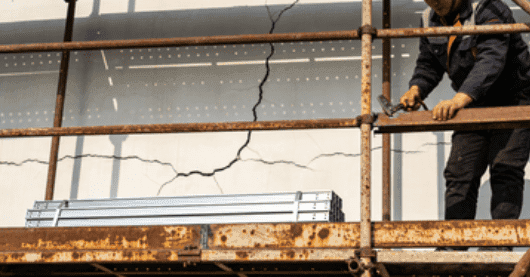
Proper installation of a scaffold guard rail is critical for ensuring that the system performs as expected. Even high-quality materials can fail if installed incorrectly. Therefore, contractors must follow best practices to maintain compliance and maximize safety.
1. Ensure Correct Rail Height
Regulatory standards typically require top rails at specific heights, often around 42 inches (varies by jurisdiction).
2. Check Rail Strength
The scaffold guard rail must withstand specified horizontal forces without bending or breaking.
3. Use Compatible Components
All rail components—top rails, mid rails, toe boards, and connectors—must be compatible with the scaffolding design.
4. Secure All Connections Firmly
Loose connections drastically reduce the effectiveness of the system. Regular inspections must be conducted to ensure that all couplings remain tight.
5. Inspect Before Use
Every day before beginning work, personnel should inspect the scaffold guard rail for signs of wear, damage, or instability.
6. Avoid Improvised Solutions
Using makeshift materials or non-standard designs can cause severe safety hazards.
Regulatory Requirements for Using a Scaffold Guard Rail
Several regions have strict regulations regarding the use of scaffold guard rails. OSHA, for example, mandates guard rails on scaffolding platforms above 10 feet in many cases. These regulations cover rail height, strength, spacing, and material standards.
Common Regulatory Requirements Include:
- Installation of top rails, mid rails, and toe boards
- Specific rail heights
- Strength requirements (e.g., 200 lbs force resistance)
- Toe boards to prevent falling objects
- Regular inspection and documentation
Understanding these requirements helps ensure legal compliance and reduces liability risks.
Maintenance and Inspection of Scaffold Guard Rail Systems
Maintenance plays a vital role in ensuring that a scaffold guard rail remains in optimal condition. Exposure to weather, chemicals, heavy loads, or physical impacts can degrade components over time.
Key Inspection Points:
- Check for corrosion or rust
- Inspect connection points for loosening
- Ensure rails are straight and free from deformities
- Verify that no component is missing or improperly installed
- Confirm compliance with updated safety standards
Routine inspections should be documented and performed by qualified safety personnel.
Conclusion
In conclusion, the scaffold guard rail is a critical component of any elevated work environment. It protects workers from falls, supports compliance with safety regulations, enhances confidence, and contributes to efficient workflow. Companies that invest in high-quality guard rails and adhere to proper installation and maintenance practices significantly reduce their risk of accidents and improve job site safety.
Whether working on small-scale renovations or large industrial projects, the presence of a properly installed scaffold guard rail can make a decisive difference between a safe workplace and a hazardous one. Its role in modern construction safety is undeniable, and its importance continues to grow as industry standards evolve.
FAQ
1. What is the main purpose of a scaffold guard rail?
Its main purpose is to prevent fall accidents by creating a physical barrier along the edges of elevated scaffold platforms.
2. When is a scaffold guard rail required?
It is required when scaffolding reaches certain heights, commonly around 10 feet or higher, depending on regional regulations.
3. What materials are commonly used for scaffold guard rails?
Steel, aluminum, and fiberglass are the most widely used materials, each offering different strengths and benefits.
4. Should scaffold guard rails be inspected regularly?
Yes, daily inspections are recommended to ensure stability, strength, and overall compliance with safety standards.
5. Can a scaffold guard rail be used with any type of scaffolding?
Most systems are designed to be compatible with many scaffold types, but always ensure compatibility before installation.
Thank you for reading! We hope our insights help you work safely and efficiently with frame scaffolds and other construction equipment. For more updates, tips, and discussions, connect with us on Facebook.
Join our community to stay informed, share experiences, and engage with fellow professionals in the scaffolding industry.