Table of Contents
Scaffolding is a vital part of construction and industrial work, providing secure access to elevated areas while supporting both workers and materials. Understanding the various scaffolding types is essential for safety, efficiency, and project success. Using the wrong type of scaffolding can increase accident risks, slow down workflow, and lead to costly mistakes. This article explores the most common scaffolding types, their applications, materials, and safety considerations, giving you practical insights to make informed decisions.
Introduction
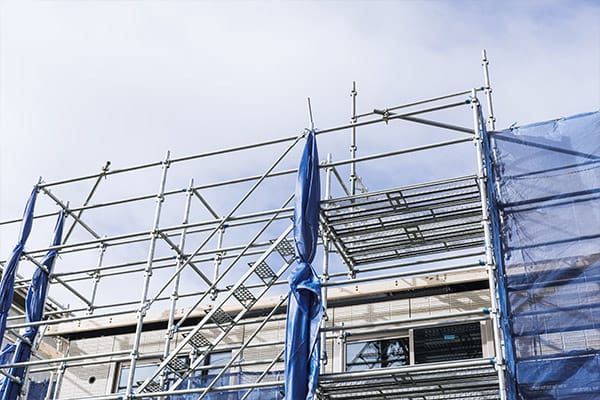
Different construction projects require different scaffolding systems. Scaffolding types can vary based on design, height, mobility, and load capacity. Selecting the right system ensures that workers have safe and reliable access while optimizing efficiency. Industry safety data shows that scaffolding-related incidents are among the top causes of construction injuries, emphasizing the need for proper scaffolding selection and adherence to safety protocols.
Supported Scaffolding
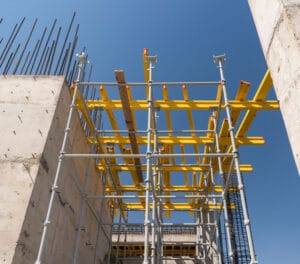
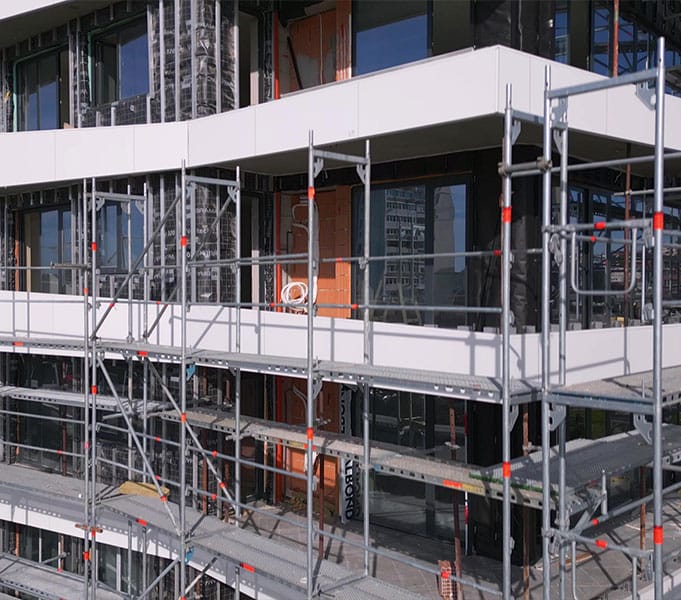
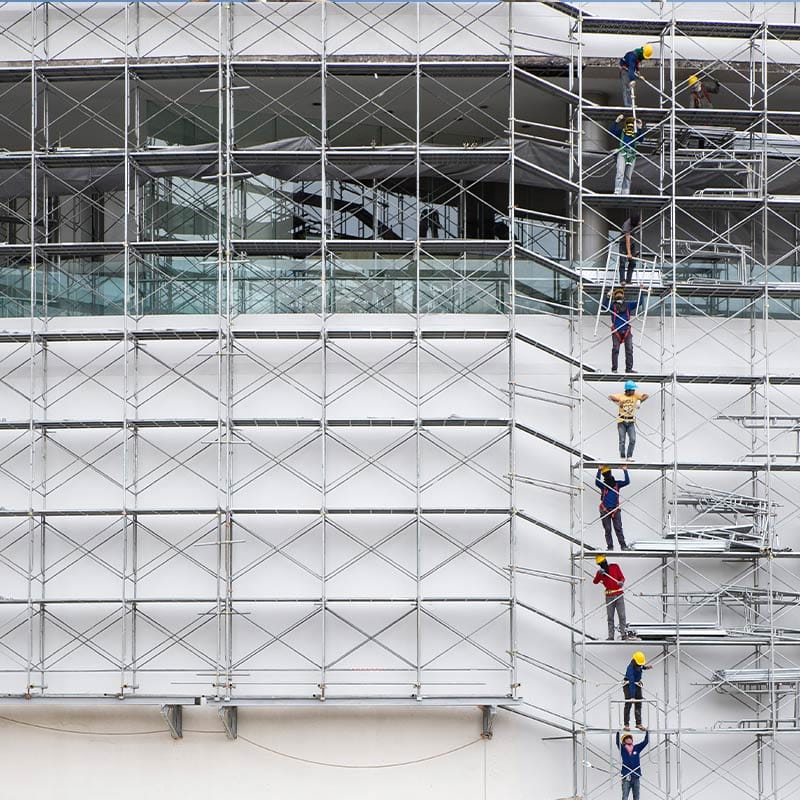
Supported scaffolding consists of platforms supported by rigid frames, poles, or structures from the ground. This type is widely used for multi-story construction and industrial maintenance. It provides strong vertical and horizontal stability, making it suitable for tasks that require heavy equipment or materials.
Suspended Scaffolding
Suspended scaffolding hangs from overhead supports using ropes or cables. It is commonly used for working on high-rise building exteriors, facades, or areas where ground scaffolding is impractical. Safety depends on proper rigging, secure anchoring, and regular inspection of suspension components.
Mobile Scaffolding
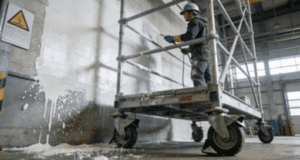
Mobile scaffolding is equipped with wheels or casters to allow easy movement around the site. It is often used for indoor projects, painting, or maintenance work. To ensure safety, wheels must be locked during use, and weight distribution must be managed carefully.
Cantilever Scaffolding
Cantilever scaffolding is supported at one end and projects outward where the ground is obstructed. This type is often used when obstacles such as machinery or uneven terrain prevent standard scaffolding installation. Proper anchoring and counterweights are critical for stability.
Trestle Scaffolding
Trestle scaffolding consists of platforms mounted on tripods or movable supports. It is commonly used indoors for painting, maintenance, or minor construction work. Trestle scaffolds are best for low-height and short-duration tasks due to stability limitations.
Scaffolding Types Comparison Table
| Scaffolding Type | Material Options | Ideal Use Case | Mobility | Load Capacity |
|---|---|---|---|---|
| Supported Scaffolding | Steel, Aluminum | Multi-story construction | Low | High |
| Suspended Scaffolding | Steel, Alloy Ropes | High-rise facades | Medium | Medium |
| Mobile Scaffolding | Aluminum, Steel | Indoor painting, maintenance | High | Medium |
| Cantilever Scaffolding | Steel, Aluminum | Obstructed ground areas | Low | Medium to High |
| Trestle Scaffolding | Wood, Aluminum | Low-height indoor tasks | Medium | Low to Medium |
Safety Guidelines for Different Scaffolding Types
- Always follow manufacturer instructions for assembly and disassembly.
- Inspect components daily for damage, corrosion, or loose fittings.
- Never exceed load capacities of the platform.
- Use handrails, guardrails, and toe boards where applicable.
- Ensure proper personal protective equipment (PPE) such as helmets and harnesses.
Following these guidelines reduces accidents, improves efficiency, and ensures compliance with industry safety standards.
Selecting the Right Scaffolding Type
Choosing the correct scaffolding type requires evaluating:
- Project height and platform requirements
- Site accessibility and constraints
- Load capacity and material durability
- Duration of the project
- Compliance with local or industry safety regulations
The right scaffolding improves workflow, protects workers, and prevents project delays.
Common Mistakes to Avoid
- Selecting an inappropriate scaffolding type for the job
- Overloading platforms or uneven weight distribution
- Skipping routine inspections or maintenance
- Removing guardrails or stabilizers for convenience
- Failing to train workers on proper assembly and usage
Avoiding these mistakes ensures safer, more productive worksites.
Conclusion
Understanding the different scaffolding types is crucial for safe and efficient construction. Selecting the right system, following proper installation procedures, and performing regular maintenance ensures worker safety and project efficiency.
FAQ
What are the main scaffolding types?
The main scaffolding types commonly used on construction sites include supported, suspended, mobile, cantilever, and trestle scaffolding. Each type serves different purposes depending on height, load requirements, and site conditions, providing workers safe access to elevated areas while supporting materials efficiently.
Which scaffolding type is safest for high-rise work?
Suspended scaffolding is considered the safest option for high-rise work, such as building facades or maintenance tasks at significant heights. Proper installation, secure anchoring, and regular inspections are crucial to ensure stability and minimize risks of accidents when using this scaffolding type.
Can mobile scaffolding be used outdoors?
Yes, mobile scaffolding can be used outdoors, but safety precautions are essential. Make sure the wheels are properly locked, the ground surface is level and stable, and load limits are observed. These measures prevent tipping and ensure that mobile scaffolding remains a safe, flexible solution for outdoor projects.
How should scaffolding be maintained?
To maintain scaffolding safely, inspect daily for damage, corrosion, or loose fittings. Clean debris from platforms, check guardrails and handrails, and replace any worn or broken components immediately. Regular maintenance ensures all scaffolding types remain safe for workers and compliant with safety standards.
What materials are scaffolding made of?
Scaffolding types are commonly made from steel, aluminum, or wood. Steel provides maximum strength for heavy-duty work, aluminum offers lightweight portability, and wood is used for low-height or temporary projects. Choosing the right material depends on project requirements, load capacity, and duration of use.
Need Help Choosing the Right Scaffolding Type?
If you’re unsure which scaffolding type is best for your construction site, our experts are here to help. Contact us today for a personalized consultation, and ensure your team has safe, reliable access at every height. Don’t wait until accidents happen—get in touch now to protect your workers and your project!