Table of Contents
Introduction
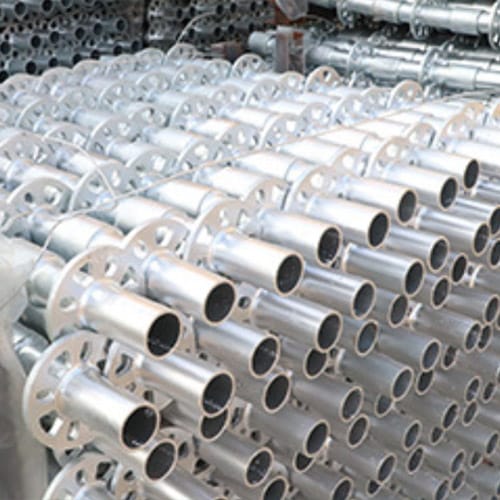
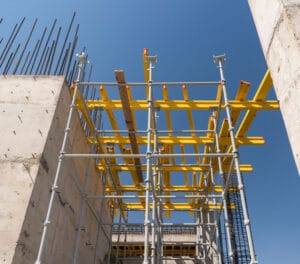
Steel construction support is a critical component in construction and industrial projects, providing the strength and stability needed for buildings, bridges, and heavy-duty frameworks. Improper installation of steel support can lead to structural failures, increased maintenance costs, and safety hazards for workers. According to a report by the International Association of Structural Engineers, installation errors account for nearly 30% of on-site structural accidents, highlighting the importance of proper practices. In this article, we will explore common mistakes during steel support installation and offer guidance to ensure safety, efficiency, and long-term durability.
Mistake 1: Using Incorrect Steel Support Type
One of the most frequent mistakes is selecting the wrong type of steel construction support for the specific project requirements. Steel support comes in various forms, including beams, brackets, columns, and braces. Each type is designed for specific loads and structural roles. Using an inappropriate type can compromise the entire framework, leading to uneven load distribution and potential collapse. When planning installation, carefully evaluate your structural needs and consult the project design specifications to select the correct steel support type.
Mistake 2: Ignoring Load Capacity Specifications
Steel construction support is engineered to handle specific loads. Ignoring the load capacity can result in overloading, leading to deformation or catastrophic failure. Engineers recommend always considering both static and dynamic loads, including potential vibrations, environmental stresses, and material weight. For instance, a medium-duty steel construction support rated for 1,500 kg may fail if used to hold 2,000 kg or more. Proper calculation and adherence to manufacturer specifications are essential to avoid these risks.
Mistake 3: Poor Alignment and Leveling
Even if the steel construction support is the correct type and capacity, poor alignment during installation can undermine structural integrity. Misaligned supports can create uneven stress distribution, increasing the risk of bending or failure under load. Use precise leveling tools, such as laser levels and plumb lines, and ensure all supports are aligned with the design layout. Inspect alignment continuously during installation to avoid costly adjustments later.
Mistake 4: Inadequate Anchoring or Fastening
Steel construction support must be firmly anchored to the surrounding framework or foundation. Loose bolts, improper welding, or skipped fasteners can compromise stability. Always follow manufacturer guidelines for fastening, and consider redundant anchoring when safety margins are critical. Regularly inspect bolts, welds, and brackets, and tighten or replace any components that show signs of wear.
Mistake 5: Neglecting Corrosion Protection
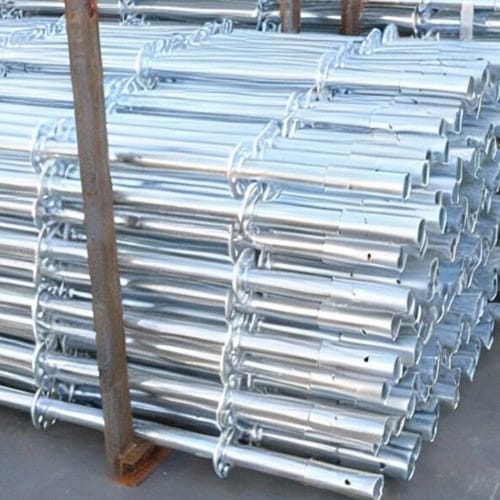
Steel support is often exposed to moisture, chemicals, and varying temperatures, making it susceptible to corrosion. Failure to apply protective coatings, such as galvanization or anti-rust paints, can drastically reduce lifespan and safety. For outdoor or industrial environments, select corrosion-resistant steel grades or regularly maintain coatings. Preventive maintenance can extend the service life of steel support by years while keeping safety standards high.
Mistake 6: Skipping Inspection and Maintenance
Neglecting routine inspections is another common mistake. Daily or weekly checks can identify rust, deformation, cracks, or loose fasteners before they become critical issues. Maintenance should include cleaning surfaces, lubricating moving parts, and promptly replacing damaged components. According to industry safety audits, proactive inspection reduces the likelihood of structural failures by over 40%.
Mistake 7: Improper Handling and Transportation
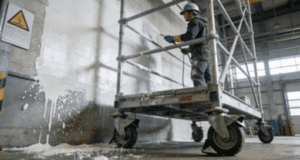
Steel support elements are heavy and rigid, making handling a potential source of damage. Bending, dropping, or scraping steel supports before installation can create hidden weaknesses. Always use proper lifting equipment, such as cranes, hoists, or forklifts, and ensure safe transportation. Handling training for workers can minimize damage and prevent compromised supports from entering the construction framework.
Mistake 8: Failing to Follow Manufacturer or Safety Guidelines
Finally, many installation errors occur when workers disregard manufacturer instructions or local safety regulations. Deviating from recommended specifications can lead to unsafe load distribution, legal issues, and costly retrofits. Always read and follow installation manuals, use certified components, and consult with structural engineers if any uncertainty arises.
Comparison Table: Common Steel Support Mistakes and Consequences
| Mistake | Risk/Consequence | Prevention Tip |
|---|---|---|
| Wrong steel support type | Structural failure, unsafe load handling | Verify project requirements and support type |
| Ignoring load capacity | Overloading, collapse | Calculate and respect max load limits |
| Misalignment | Instability, uneven stress | Use levels and measurement tools |
| Poor anchoring | Loose structure, accidents | Tighten fasteners, use proper anchors |
| Neglecting corrosion protection | Rust, reduced lifespan | Apply coatings and inspect regularly |
| Skipping inspection | Hidden damage, sudden failures | Regular maintenance schedule |
| Improper handling | Bends, cracks, weakened steel | Use proper lifting and transport techniques |
| Ignoring guidelines | Legal, safety, and financial consequences | Follow manufacturer instructions |
Conclusion
Proper installation of steel support is essential for structural safety, efficiency, and longevity. Avoiding common mistakes such as using incorrect types, ignoring load limits, poor alignment, and skipping maintenance can prevent accidents and save significant costs. By following manufacturer instructions, implementing routine inspections, and using corrosion protection, you can ensure your steel support system performs reliably for years. Always consult professionals when in doubt to protect your project, your team, and the integrity of your structure.
FAQ
What is steel support?
Steel support is a structural element that provides strength and stability for buildings, bridges, and frameworks. It ensures that loads are safely distributed, helping prevent structural failures and keeping construction sites secure.
How do I choose the right steel support?
Select steel support based on load requirements, material quality, and design specifications. Consider whether it will be used indoors or outdoors, and ensure it meets relevant safety standards for durability and performance.
Can steel support be used outdoors?
Yes, steel support can be used outdoors. For long-term durability, choose corrosion-resistant finishes or galvanized steel to protect against moisture, chemicals, and environmental wear.
How should steel support be maintained?
Regularly inspect steel support for rust, misalignment, or damage. Tighten loose fasteners, clean debris from surfaces, and replace worn parts promptly to maintain structural integrity.
What are common installation mistakes with steel support?
Typical mistakes include using the wrong type, ignoring load limits, poor alignment, inadequate anchoring, and skipping inspections. Following guidelines and best practices minimizes risk and ensures safety.
Need Help Choosing the Right Steel Support?
If you’re unsure which steel support is best for your building or project, our experts are here to help. Contact us today for a personalized consultation, and ensure your structure is safe, stable, and built to last. Don’t wait until it’s too late—get in touch now to protect your project and your team!