Table of Contents
Introduction
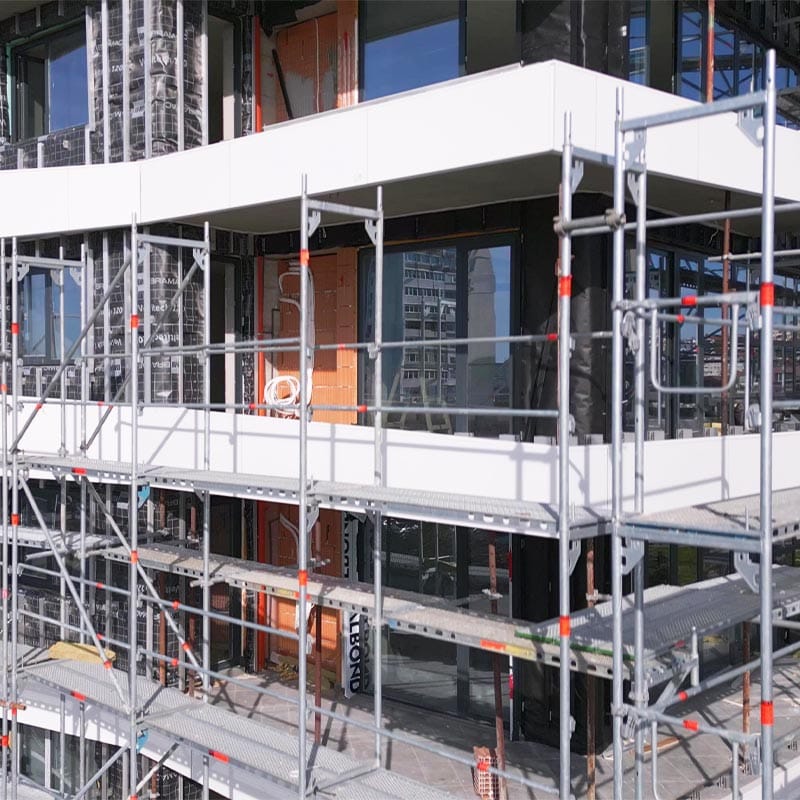
When it comes to construction safety and efficiency, the quality of your scaffold uprights can make all the difference. Scaffold uprights are the backbone of any scaffold system, supporting workers, materials, and equipment at height. Choosing durable and reliable scaffolding poles ensures stability, reduces the risk of accidents, and improves overall productivity on your job site. In this guide, we’ll provide key tips and insights for selecting the best scaffold uprights for your projects.
Understanding Scaffolding Poles
Scaffold uprights are tubular structures used to form the framework of scaffolds. They come in different materials, sizes, and designs, each suited for specific applications. Common materials include steel for heavy-duty use, aluminum for lightweight mobility, and composite options for temporary or specialty structures. Knowing the properties of each material will help you make an informed decision.
Types of Scaffolding Poles
- Steel Poles – Known for high strength and load capacity, steel poles are ideal for large-scale and high-rise construction projects. They offer excellent durability but are heavier to transport and assemble.
- Aluminum Poles – Lightweight and resistant to corrosion, aluminum scaffolding poles are great for mobile scaffolds and short-term setups. They are easier to handle but have lower load capacity than steel.
- Composite Poles – Made from reinforced plastics or mixed materials, composite poles are used in specific situations where corrosion resistance and moderate strength are required.
Key Features to Look For
When selecting scaffold uprights, consider the following features:
- Diameter and Wall Thickness: Ensure the poles can handle the expected load and comply with safety standards.
- Length: Choose poles that match your scaffold height requirements to minimize cutting or extensions.
- Load Capacity: Verify the weight the pole can safely support, including workers and materials.
- Corrosion Resistance: For outdoor or humid environments, select poles with protective coatings or corrosion-resistant materials.
Safety and Compliance
Scaffold uprights must comply with industry safety standards, including regulations for load-bearing, material quality, and structural integrity. Always check for certifications or compliance marks. Regular inspections are crucial to identify wear, corrosion, or damage before use.
Installation Best Practices
Proper assembly ensures scaffolding stability. Tips include:
- Use even spacing and proper anchoring.
- Secure poles with appropriate clamps or couplers.
- Avoid mixing materials unless specified by manufacturer guidelines.
- Check the ground and base plates for level surfaces to prevent tipping.
Maintenance Tips
- Inspect scaffold uprights regularly for dents, cracks, or corrosion.
- Clean poles to remove debris that could affect connections.
- Replace damaged or worn poles immediately to maintain safety.
- Store poles in a dry, protected area when not in use.
Comparison Table of Common Scaffolding Poles
| Material | Weight | Load Capacity | Typical Use | Durability |
|---|---|---|---|---|
| Steel | Heavy | High | High-rise & heavy-duty work | Very High |
| Aluminum | Light | Medium | Mobile & temporary scaffolds | High |
| Composite | Medium | Medium | Specialty or outdoor use | Medium |
Advantages of Choosing Quality Scaffolding Poles
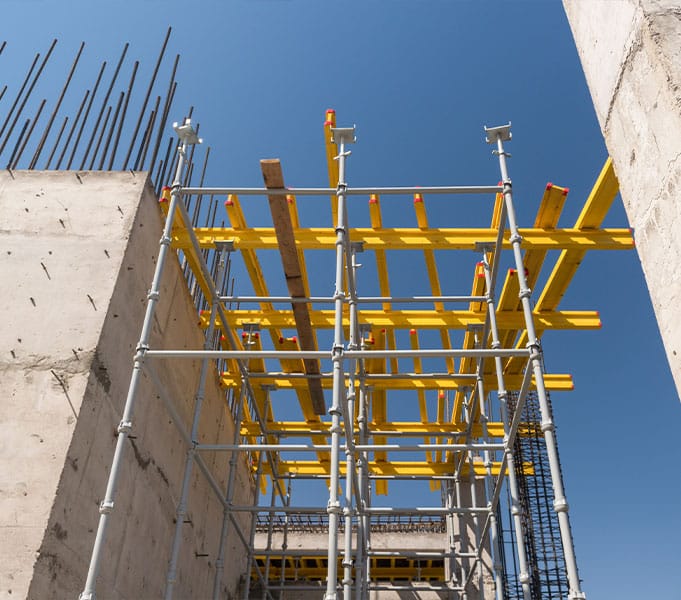
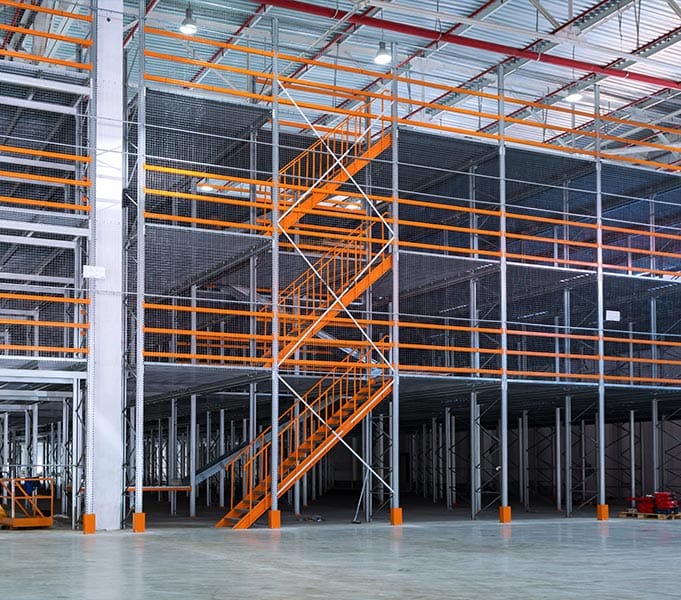
High-quality scaffold uprights enhance construction efficiency, reduce downtime due to repairs or replacements, and significantly improve safety for workers. Investing in durable poles saves costs in the long term and provides peace of mind that your scaffolding system is stable and reliable.
Conclusion
Choosing the right scaffolding poles is not just about strength—it’s about safety, durability, and matching the poles to your project requirements. By understanding materials, checking specifications, and following proper installation and maintenance practices, you can ensure a secure and efficient scaffolding setup.
FAQ
What are scaffolding poles made of?
Scaffolding poles are typically made from steel, aluminum, or composite materials. Steel offers high strength for heavy-duty projects, aluminum is lightweight and corrosion-resistant, and composite materials are used for specialized applications where moderate strength and durability are needed.
How do I choose the right length and diameter of scaffolding poles?
Select poles based on scaffold height and expected load. Diameter and wall thickness should meet safety standards to support workers and materials without bending or collapsing. Always refer to manufacturer specifications.
Can scaffolding poles be used outdoors?
Yes, outdoor scaffolding poles should have corrosion-resistant coatings or be made of rust-resistant materials like aluminum or treated steel. Regular inspections are essential to ensure long-term safety.
How often should scaffolding poles be inspected?
Daily visual inspections before use are recommended, along with thorough monthly checks. Look for cracks, dents, corrosion, or loose fittings, and replace any compromised poles immediately.
What is the difference between steel and aluminum scaffolding poles?
Steel poles provide higher load capacity and are suitable for heavy-duty or high-rise projects, while aluminum poles are lighter, easier to handle, and corrosion-resistant, making them ideal for mobile or temporary scaffolding.
Need Help Choosing the Right Scaffolding Poles?
If you’re unsure which scaffolding poles are best for your construction project, our experts are here to help. Contact us today for a personalized consultation, and ensure your scaffolding system is safe, durable, and reliable. Don’t wait until it’s too late—get in touch now to protect your workers and your project!