Table of Contents
Introduction
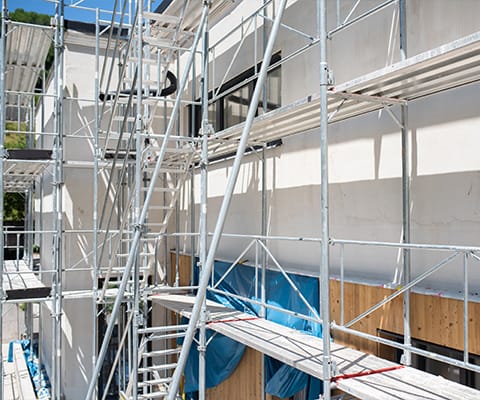
A scaffold handrail is a critical safety component installed on scaffolding systems to prevent falls and provide stable edge protection for workers operating at height. In real construction environments, falls remain one of the leading causes of workplace injuries, and guardrail systems, including scaffold handrails, are widely recognized as one of the most effective preventive measures.
In practice, a scaffold handrail system usually forms part of a complete fall protection structure, which includes a top rail, mid rail, and sometimes toe boards. These components work together to create a physical barrier that reduces the risk of accidental slips or missteps on elevated platforms.
Safety authorities and occupational safety research consistently highlight that properly installed guardrail systems can significantly reduce fall-related incidents. This makes scaffold handrails not just an optional accessory but a fundamental requirement in modern construction safety planning.
Overview of Scaffold Handrail Systems in Modern Construction
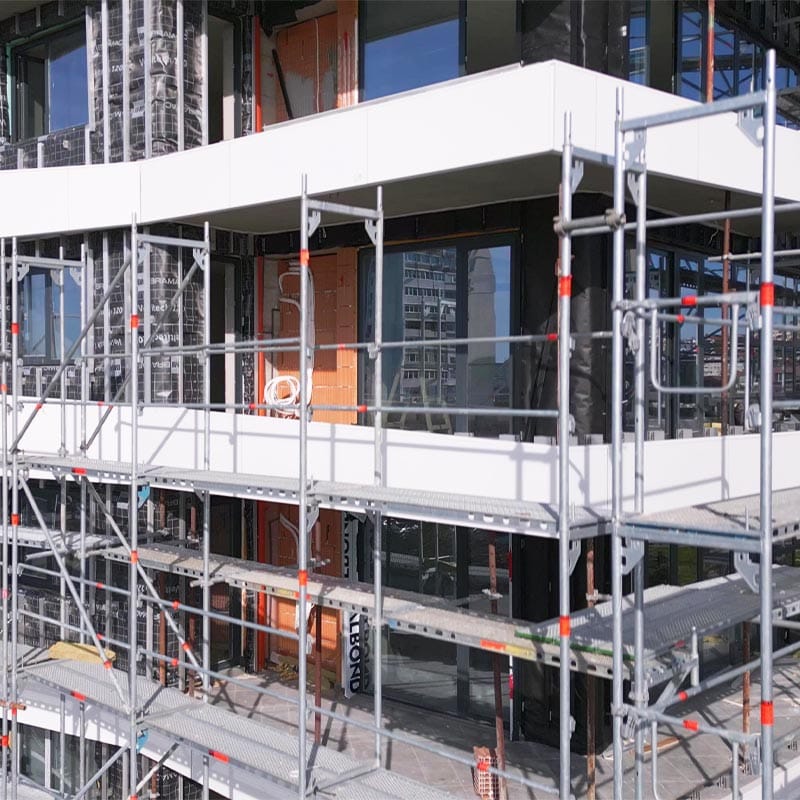
Scaffolding handrail systems are designed to integrate with scaffold structures and provide continuous edge protection. They are widely used in construction, maintenance, industrial installations, and infrastructure projects.
A typical scaffolding handrail system includes:
- Vertical posts that anchor the system to the scaffold frame
- Top rail positioned at the upper safety boundary
- Mid rail for intermediate protection
- Optional toe boards to prevent falling objects
Different configurations exist depending on project complexity. Modular systems are becoming more common due to their flexibility, faster installation, and compatibility with various scaffold types.
Industries rely on scaffolding handrail systems wherever elevated work is required, especially in environments where frequent assembly and disassembly are needed.
Steel Scaffold Handrail: Features, Advantages, and Limitations
Steel scaffolding handrails are widely used in heavy-duty construction environments due to their high structural strength and durability. They are designed to withstand significant loads and impact forces, making them suitable for demanding job sites.
Key advantages include:
- High load-bearing capacity suitable for industrial-scale projects
- Excellent durability under repeated use
- Strong resistance to deformation under pressure
- Galvanized options available for improved corrosion resistance
However, steel systems are heavier, which can increase transportation effort and installation time. In some projects where mobility and speed are priorities, this weight factor becomes a limitation.
Despite this, steel remains the preferred choice where maximum stability and long-term durability are required.
Aluminum Scaffold Handrail: Features, Advantages, and Limitations
Aluminum scaffolding handrails are designed for lightweight performance and ease of handling. Their primary advantage lies in portability, which significantly reduces installation time and labor effort.
Key advantages include:
- Lightweight structure for easy transport and assembly
- Naturally corrosion-resistant material suitable for outdoor environments
- Ideal for temporary or frequently relocated scaffolding systems
- Faster installation compared to heavier alternatives
The main limitation is reduced load-bearing capacity compared to steel. While aluminum systems are safe and compliant when properly engineered, they are generally not intended for extremely heavy-duty applications.
Aluminum is often chosen when efficiency, mobility, and quick deployment are more important than maximum structural strength.
Steel vs Aluminum Scaffold Handrail: Key Differences Comparison
Choosing between steel and aluminum scaffolding handrails depends on project requirements, safety expectations, and operational conditions. The comparison below highlights the most important decision factors:
| Feature | Steel Scaffold Handrail | Aluminum Scaffold Handrail |
|---|---|---|
| Strength | Very high load capacity | Moderate load capacity |
| Weight | Heavy | Lightweight |
| Installation Speed | Slower due to weight | Faster and easier |
| Corrosion Resistance | Requires galvanization | Naturally corrosion resistant |
| Durability | Extremely high | High but lower than steel |
| Cost Efficiency | Better for long-term heavy use | Better for short-term projects |
From a technical standpoint, steel offers superior strength, while aluminum provides operational flexibility. Neither option is universally better; the right choice depends on project priorities.
Safety Performance Comparison in Real Construction Applications
In real-world applications, both steel and aluminum scaffold handrails can meet safety standards when properly designed and installed. The key difference lies in performance under stress conditions.
Steel systems typically perform better in high-load environments such as heavy industrial installations or long-term construction projects. Their rigidity provides additional stability, especially when multiple workers and heavy materials are involved.
Aluminum systems, while lighter, are still widely used in environments where scaffolding is frequently moved or reconfigured. When engineered correctly, they comply with standard fall protection requirements and provide reliable edge protection.
According to occupational safety research data published in construction safety studies, properly installed guardrail systems can significantly reduce fall risk, making the choice of material less about safety compliance and more about operational suitability.
Installation and Handling Differences Between Steel and Aluminum Systems
Installation efficiency is an important factor in scaffold planning. Steel systems require more manpower due to their weight, which can slow down assembly and disassembly processes. However, they offer a solid, stable feel once installed.
Aluminum systems are significantly easier to handle. Workers can install and adjust components faster, reducing downtime and improving overall productivity on fast-paced job sites.
Tool requirements are generally similar, but aluminum systems often require fewer mechanical aids during setup, which can reduce labor intensity.
Which Scaffold Handrail Should You Choose for Your Project?
The decision between steel and aluminum scaffolding handrails depends on balancing safety requirements, operational efficiency, and project duration.
Steel is generally the better choice when:
- High load capacity is required
- The scaffold remains in place for extended periods
- Maximum structural stability is essential
Aluminum is generally preferred when:
- Frequent relocation is required
- Fast installation is a priority
- Lightweight handling improves efficiency
A practical approach is to evaluate the working environment first, then match the scaffold handrail system to the operational demands rather than choosing based solely on cost.
Common Mistakes When Selecting a Scaffold Handrail System
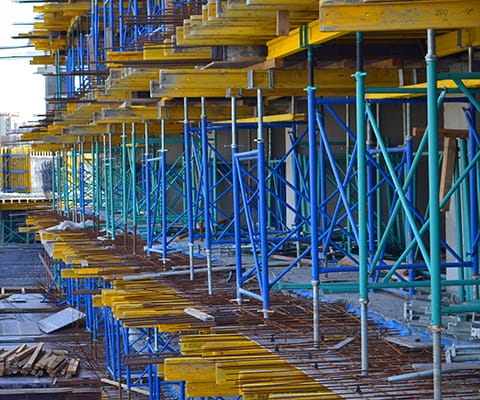
Many procurement decisions fail due to overlooking critical technical factors. One common mistake is selecting a system based only on price without considering load requirements or job site conditions.
Another frequent issue is ignoring compliance standards. Even if a system appears structurally sound, it must still meet applicable safety requirements to ensure worker protection.
Some buyers also underestimate maintenance needs. Regular inspection is essential to ensure scaffold handrails remain secure and functional throughout their service life.
Conclusion
Both steel and aluminum scaffold handrails play an essential role in construction safety, but they serve different operational needs. Steel provides unmatched strength and long-term durability, making it ideal for heavy-duty environments. Aluminum offers speed, flexibility, and ease of handling, which is valuable in fast-moving or temporary projects.
A well-informed decision should always consider workload intensity, installation frequency, and safety requirements. When chosen correctly, a scaffold handrail system significantly improves site safety, operational efficiency, and overall project performance.
FAQ
What is a scaffold handrail?
A scaffold handrail is a safety barrier installed on scaffolding platforms to prevent workers from falling and to improve edge protection during elevated work.
Why is a scaffold handrail important?
It helps reduce fall risks on construction sites by providing a physical protective boundary, improving overall workplace safety and compliance.
What materials are used for scaffold handrails?
Common materials include steel and aluminum. Steel offers higher strength, while aluminum is lighter and easier to install.
Is a scaffold handrail required by safety standards?
Yes, in most elevated work environments, scaffold handrails are required as part of fall protection systems under general safety regulations.
What is the difference between steel and aluminum scaffold handrails?
Steel is stronger and more durable for heavy-duty use, while aluminum is lighter, easier to handle, and suitable for temporary or mobile projects.
Need Help Choosing the Right Scaffold Handrail System?
If you’re unsure whether steel or aluminum scaffold handrails are best for your project, our experts are here to help. Contact us today for a personalized consultation, and ensure your scaffolding system is safe, durable, and fully compliant with safety standards. Don’t compromise on workplace safety—get in touch now to protect your workers and improve your project efficiency!