Table of Contents
Introduction

Scaffold stairs are specialized stair units designed to provide safe and efficient access to elevated work platforms. Unlike ladders or standard scaffolding, scaffold stairs offer a stable, wide, and non-slip surface that reduces the risk of falls and allows workers to carry tools and materials safely.
Industry safety reports indicate that using scaffold stairs can reduce fall-related incidents by up to 60% compared to ladders, particularly in construction and industrial environments.
What Are Scaffold Stairs?
Scaffold stair units are modular stair systems that integrate with scaffolding frameworks. Key features include:
- Wide, non-slip steps for secure footing
- Handrails for support on both sides
- Adjustable height to fit different scaffold levels
- Sturdy construction from steel or aluminum
- Easy assembly and mobility for temporary job sites
This combination ensures both safety and accessibility, especially for multi-level scaffolding setups.
Benefits of Scaffold Stairs
Scaffold stair units improve safety and efficiency in several ways:
- Stable Access: Wider steps and handrails reduce the likelihood of slips and falls.
- Efficient Movement: Workers can move between levels quickly without carrying heavy loads awkwardly.
- Compliance: Meets industry safety standards and OSHA requirements for elevated work.
- Versatility: Can be used in indoor, outdoor, and industrial settings.
- Productivity: Reduces downtime and improves workflow by enabling faster access.
Indoor Applications
Scaffold stair units are ideal for indoor projects due to their compact footprint and mobility:
- Accessing multi-level interiors during renovations
- Electrical and HVAC installations
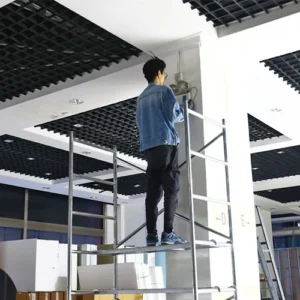
- Painting walls and ceilings
- Performing maintenance on indoor equipment
Their modular design allows easy adaptation to tight spaces while keeping workers safe.
Outdoor Applications
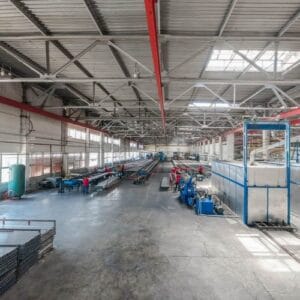
Outdoor use of scaffold stair units is common in construction and industrial settings:
- Building facades and exterior painting
- Roof access and inspections
- Window installations
- Temporary stages and event setups
With stabilizing supports or outriggers, scaffold stair units remain safe even on uneven or sloped surfaces.
Types of Scaffold Stairs
| Type | Features | Best Use Case | Material |
|---|---|---|---|
| Fixed Scaffold Stairs | Permanent integration into scaffold | Long-term projects | Steel |
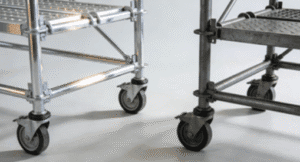
| Mobile Scaffold Stairs | Mounted on wheels for movement | Temporary sites | Aluminum/Steel |
| Adjustable Scaffold Stairs | Height can be modified | Multi-level scaffolds | Steel/Aluminum |
| Modular Scaffold Stairs | Easy assembly and reconfiguration | Flexible job sites | Aluminum |
This comparison helps contractors and safety managers choose the right stair type for their projects.
Safety Tips for Scaffold Stairs
Proper usage ensures maximum safety:
- Always use handrails when ascending or descending
- Keep steps free of debris, water, or tools
- Inspect the stairs before use for loose bolts or damage
- Do not exceed the specified load capacity
- Train all personnel on proper scaffold stair use
Regular inspections and adherence to safety protocols are critical to prevent accidents.
Choosing the Right Scaffold Stairs
Consider the following when selecting scaffold stair units:
- Required height and step configuration
- Indoor vs outdoor project requirements
- Load capacity for personnel and materials
- Mobility needs for frequent repositioning
- Material durability and corrosion resistance
Selecting the right scaffold stair units improves safety, efficiency, and compliance on your job site.
Maintenance and Inspection


Scaffold stair units should be maintained to ensure long-term safety:
- Clean regularly to prevent slips
- Tighten loose bolts and fittings
- Replace worn or damaged components promptly
- Store in dry, safe areas when not in use
- Conduct periodic safety audits
Routine maintenance keeps stairs reliable and compliant with safety standards.
Conclusion
Scaffold stair units are an essential component for modern scaffolding, offering safer, faster, and more efficient access to elevated work areas. With proper selection, usage, and maintenance, scaffold stairs enhance worker safety, support compliance with regulations, and improve productivity on both indoor and outdoor projects.
FAQ
What are scaffold stairs?
Scaffold stair units are modular stair units integrated with scaffolding to provide safe, stable, and non-slip access to elevated work areas, reducing the risk of falls compared to ladders.
Where can scaffold stair units be used?
They are suitable for indoor and outdoor projects, including construction, maintenance, painting, and industrial tasks, providing safe access to multi-level scaffolds.
Are scaffold stair units safe to use?
Yes, scaffold stair units include handrails, non-slip steps, and stabilizing supports. Following safety guidelines and regular inspections ensures they meet industry standards.
How do scaffold stair units differ from ladders?
Unlike ladders, scaffold stair units offer wider steps, handrails, and better load support, allowing safer movement of personnel and tools across scaffold levels.
How should scaffold stair units be maintained?
Regularly inspect for loose bolts, clean debris from steps, replace damaged parts, and store in dry areas. Proper maintenance ensures long-term safety and compliance.
Need Help Choosing the Right Scaffold Stairs?
If you’re unsure which scaffold stair units are best for your project or job site, our experts are here to help. Contact us today for a personalized consultation, and ensure your elevated work areas are safe, stable, and fully compliant. Don’t wait until it’s too late—get in touch now to protect your workers and your project!