Table of Contents
Introduction
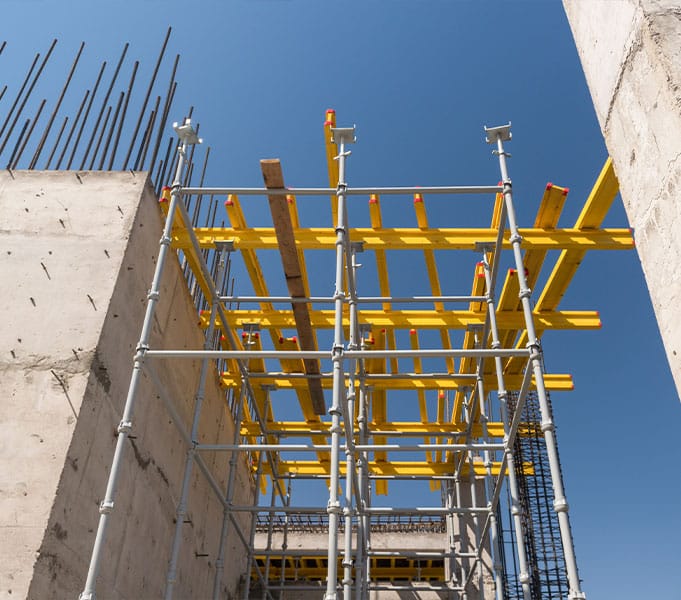
Wooden scaffolding planks remain one of the most widely used materials in construction work platforms. Despite the rise of aluminum and composite alternatives, scaffolding planks wood continue to play a vital role in providing stable, cost-effective, and versatile working surfaces for elevated construction tasks.
Their popularity comes from a combination of availability, ease of use, and adaptability to different scaffold systems. In many construction environments, especially small to medium-scale projects, wooden planks are still the preferred choice for creating reliable working platforms.
What Are Scaffolding Planks Wood?
Scaffolding planks wood are horizontal timber boards placed across scaffold frames to form a working platform. They are designed to support workers, tools, and lightweight materials at height.
Typically, these planks are made from:
- Pine wood
- Fir wood
- Hardwood (in heavy-duty applications)
- Treated structural timber
Properly selected wooden planks can provide strong load-bearing performance when used within safety limits.
Why Wooden Scaffolding Planks Are Still Widely Used
Even with modern materials available, wooden scaffolding planks remain common in construction due to:
- Lower material cost
- Easy availability in most markets
- Simple cutting and customization
- Compatibility with traditional scaffold systems
- Lightweight handling compared to steel
These advantages make them especially suitable for temporary and flexible construction setups.
Key Benefits of Scaffolding Planks Wood
Easy Handling and Installation
Their lightweight structure allows workers to:
- Carry and position planks easily
- Adjust platform layouts quickly
- Reduce installation time
Flexibility in Use
Wood can be easily cut and adjusted to fit different scaffold dimensions, making it highly adaptable for varied construction needs.
Good Load Performance (When Properly Rated)
High-quality wooden planks can support significant loads when properly:
- Graded
- Inspected
- Installed
However, they must always be used within certified load limits.
Table: Comparison of Scaffolding Planks Wood vs Other Materials
| Feature | Wooden Scaffolding Planks | Aluminum Planks | Steel Planks |
|---|---|---|---|
| Cost | Low | Medium-High | High |
| Weight | Lightweight | Very Light | Heavy |
| Durability | Moderate | High | Very High |
| Moisture Resistance | Low (unless treated) | High | High |
| Flexibility | High | Medium | Low |
| Best Use | Temporary construction | Mobile scaffolds | Heavy-duty industrial work |
How Scaffolding Planks Wood Improve Work Platforms
Provide Stable Working Surfaces
Wooden planks create a flat, stable platform that supports workers and tools safely during elevated operations.
Increase Platform Customization
Wood can be cut and adjusted to fit irregular scaffold frames, allowing more flexible platform designs.
Improve Accessibility on Site
Because they are lightweight, wooden planks make scaffold assembly and repositioning faster, improving workflow efficiency.
Support Temporary Construction Needs
For short-term projects such as:
- Repairs
- Painting
- Renovation work
wooden planks provide a practical and economical solution.
Reduce Setup Time
Simple installation and handling help reduce overall scaffold setup time, improving project efficiency.
Safety Considerations for Wooden Scaffolding Planks
While practical, scaffolding planks wood must be used carefully:
- Inspect for cracks, rot, or warping before use
- Avoid using wet or damaged wood
- Ensure proper load distribution
- Use only certified graded timber
- Replace worn planks immediately
Safety compliance is essential to prevent platform failure.
Common Applications
Scaffolding planks wood are widely used in:
- Residential construction
- Painting and decorating work
- Renovation projects
- Temporary maintenance platforms
- Light industrial tasks
Their versatility makes them suitable for both indoor and outdoor environments.
Maintenance Tips
To extend service life and ensure safety:
- Store planks in dry, covered areas
- Avoid long-term exposure to moisture
- Regularly inspect for structural damage
- Do not exceed load capacity limits
- Replace damaged planks immediately
Proper care significantly improves performance and safety.
Common Mistakes to Avoid
Many construction issues occur due to improper use of wooden planks:
- Using untreated or low-quality wood
- Ignoring visible cracks or defects
- Overloading scaffold platforms
- Failing to inspect before each use
- Using mismatched plank sizes
Avoiding these mistakes improves both safety and efficiency.
Future Trends in Scaffold Platform Materials
Although wooden planks remain widely used, the industry is shifting toward:
- Lightweight aluminum platforms
- Anti-slip composite boards
- Modular scaffold decking systems
- Enhanced treated timber solutions
However, wood continues to remain relevant due to its cost and flexibility advantages.
Conclusion
Scaffolding planks wood continue to play an important role in improving construction work platforms by offering affordability, flexibility, and ease of use. While not as durable as modern materials, they remain a practical choice for many temporary and light-duty construction applications.
When properly selected, inspected, and maintained, wooden scaffolding planks provide a reliable and efficient solution for safe elevated work environments.
FAQ
What are scaffolding planks wood used for?
Scaffolding planks wood are used to create temporary working platforms on scaffolds. They support workers, tools, and light materials during construction, painting, repair, and maintenance tasks at elevated heights.
Are wooden scaffolding planks safe to use?
Yes, when properly graded, inspected, and installed. Safety depends on using high-quality timber, avoiding cracks or rot, and staying within load limits. Regular inspection is essential for safe use on construction sites.
What types of wood are used for scaffolding planks?
Common materials include pine, fir, and hardwood. Treated structural timber is often preferred because it offers better strength, durability, and resistance to moisture compared to untreated wood.
How do I choose good scaffolding planks wood?
Look for strong, straight, and defect-free timber with proper grading certification. Avoid warped, cracked, or wet planks. Always ensure the wood meets required load capacity standards for your project.
How should scaffolding wooden planks be maintained?
Store them in dry areas, avoid water exposure, and inspect regularly for cracks or decay. Replace damaged planks immediately and never overload them beyond their rated capacity to ensure safety.
Need Help Choosing the Right Scaffolding Planks Wood?
If you’re unsure which wooden scaffolding planks are best for your construction project, our experts are here to help. Contact us today for a personalized consultation, and ensure your scaffolding platform is safe, stable, and fully compliant with industry standards. Don’t wait until it’s too late—get in touch now to improve safety and efficiency on your job site!