Table of Contents
Scaffolding types are essential tools in modern construction and maintenance projects. Choosing the right scaffolding type ensures worker safety, increases efficiency, and reduces time spent assembling and relocating platforms. Understanding the different scaffold types and their applications can help project managers, safety officers, and workers make informed decisions for every job site.
Introduction
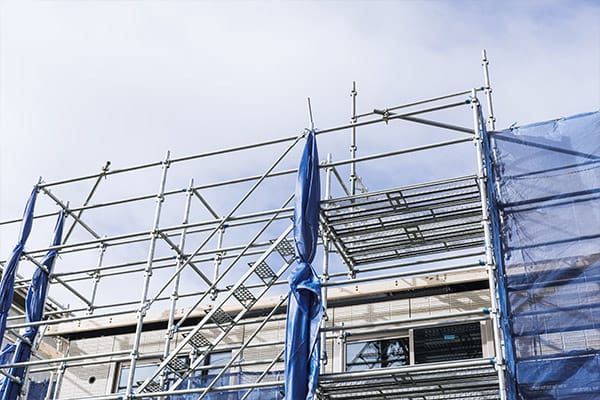
Scaffolds are temporary structures designed to support workers and materials at elevated heights. The choice of scaffolding type can significantly affect safety, workflow, and overall project productivity. According to construction safety studies, selecting the appropriate scaffold type for specific tasks reduces the risk of falls by up to 50%, highlighting the importance of understanding the options available. In modern construction, scaffold types range from simple trestle scaffolds for light work to complex suspended scaffolds for high-rise buildings.
Supported Scaffold Types
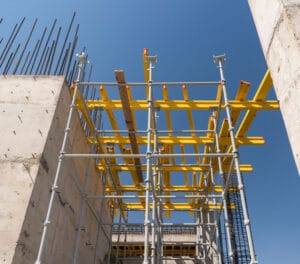
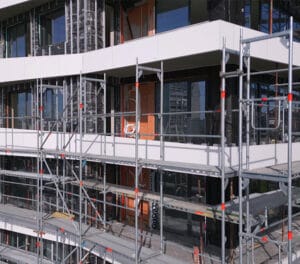
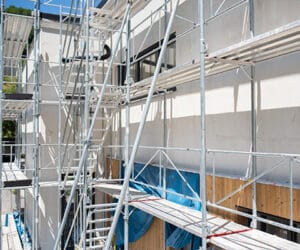
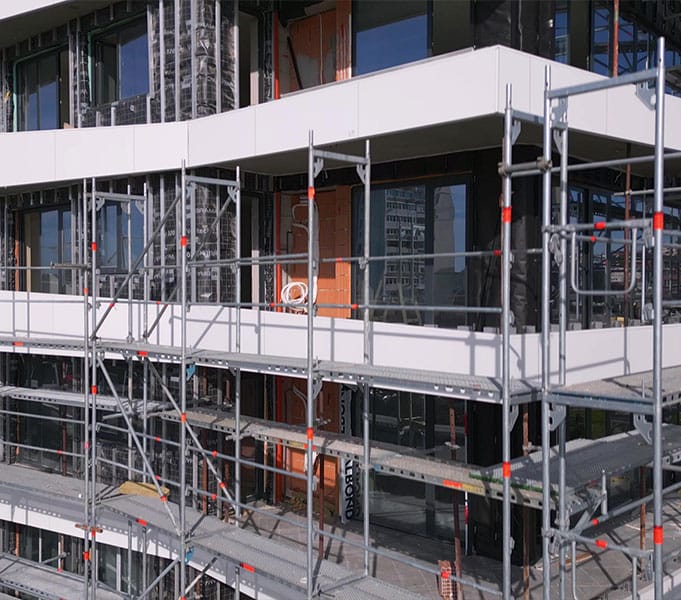
Supported scaffolds are the most common type, consisting of a platform supported by rigid frames or legs from the ground. They are highly stable and ideal for building facades, interior renovations, and areas requiring continuous worker presence.
Advantages include high load capacity, durability, and ease of assembly. However, they require a solid foundation and may not be suitable for uneven or obstructed surfaces. Supported scaffolds are widely used because of their reliability and versatility in mid-rise construction projects.
Suspended Scaffold Types
Suspended scaffolds, also known as swing stages, are platforms suspended by ropes or cables. They are primarily used in high-rise construction, window cleaning, and exterior maintenance. The key advantage is access to areas without ground support, making them ideal for tall buildings and steep structures.
Safety is critical for suspended scaffolds, as improper anchoring or damaged cables can lead to serious accidents. Workers must ensure all hoists, ropes, and platform components are inspected daily. According to OSHA guidelines, suspension scaffolds must have a secondary fall protection system in addition to standard guardrails.
Mobile Scaffold Types
Mobile scaffolds are mounted on lockable wheels, allowing easy movement across a worksite. They are perfect for tasks that require frequent relocation, such as painting, electrical work, or warehouse maintenance.
Mobile scaffolds can be adjusted to different heights and are suitable for both indoor and outdoor use, provided the wheels are locked on a stable surface. Their portability and quick assembly reduce setup time, making them efficient for dynamic construction environments.
Cantilever Scaffold Types
Cantilever scaffolds are supported at one end, leaving the other end free. They are commonly used when the ground cannot support a full scaffold, such as over obstacles, trenches, or uneven surfaces.
These scaffolds require careful calculation of load distribution and proper anchoring. Materials like steel and aluminum are preferred for durability and stability. Cantilever scaffolds are often used in industrial settings where space constraints prevent standard scaffolding setups.
Trestle Scaffolding Types
Trestle scaffolds are simple, lightweight structures supported on A-frame brackets. They are ideal for low-height tasks, such as painting, minor repairs, or maintenance in small areas.
While easy to assemble and transport, trestle scaffolds have limited load capacity and height. They are best suited for quick jobs where a full scaffold setup is unnecessary, offering a cost-effective solution without compromising basic safety.
Materials Used in Scaffold Types
Different scaffolding types can be constructed from steel, aluminum, or wood, each offering distinct advantages:
| Scaffold Type | Material Options | Load Capacity | Best Use Case |
|---|---|---|---|
| Supported Scaffold | Steel, Aluminum | High | Building facades, interior renovations |
| Suspended Scaffold | Steel, Aluminum | Medium-High | High-rise exterior access |
| Mobile Scaffold | Aluminum, Steel | Medium | Painting, warehouse maintenance |
| Cantilever Scaffold | Steel, Aluminum | High | Obstacles, trenches, industrial sites |
| Trestle Scaffold | Wood, Aluminum | Low | Quick maintenance, small-scale tasks |
Steel offers maximum strength and load-bearing capacity, aluminum ensures portability and corrosion resistance, and wood is suitable for lightweight, temporary setups.
Safety Guidelines for Different Scaffold Types
To maintain safety across all scaffolding types:
- Inspect scaffolds before each use for damage or loose connections
- Ensure platforms are level and wheels are locked for mobile scaffolds
- Adhere to weight limits specified by the manufacturer
- Use guardrails, toe boards, and personal protective equipment (PPE)
- Follow local safety standards and regulations for scaffold installation and operation
Consistent maintenance and adherence to safety protocols can prevent falls, tip-overs, and other common scaffold-related incidents.
Choosing the Right Scaffolding Type for Your Project
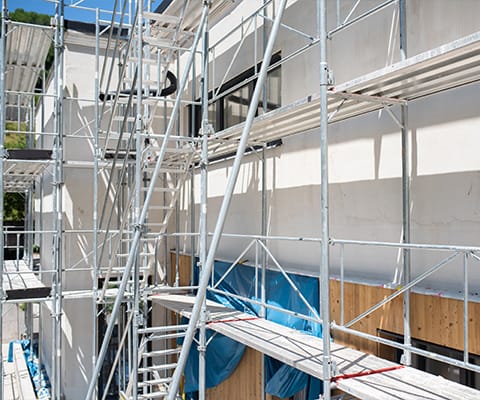
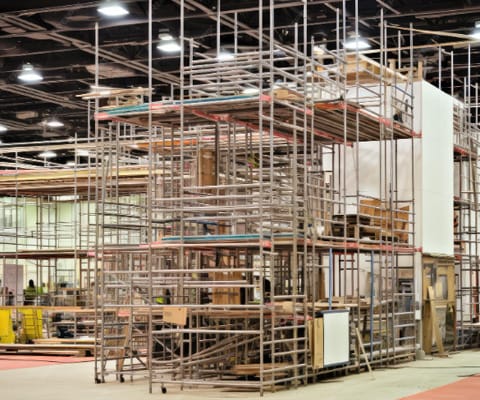
Selecting the right scaffolding type requires evaluating:
- Project height and elevation requirements
- Load capacity for workers and materials
- Work environment (indoor, outdoor, uneven surfaces)
- Mobility needs for frequent repositioning
Common mistakes include overloading platforms, using damaged scaffolds, and neglecting daily inspections. A well-planned scaffold selection enhances efficiency, reduces downtime, and ensures compliance with safety standards.
Conclusion
Understanding the different scaffolding types and their applications is essential for safe, efficient, and productive construction projects. Supported, suspended, mobile, cantilever, and trestle scaffolds each serve unique purposes and offer specific advantages. By following safety guidelines, choosing appropriate materials, and maintaining scaffolds regularly, you can optimize workflow while protecting your team.
Need Help Choosing the Right Scaffolding Types?
If you’re unsure which scaffold types are best for your project, our experts are ready to guide you. Contact us today for a personalized consultation and ensure your construction site is safe, efficient, and compliant. Don’t wait—get in touch now to protect your workers and your project!
FAQ
What are scaffold types?
Scaffold types refer to the various temporary structures used in construction to support workers and materials at heights. Common types include supported, suspended, mobile, cantilever, and trestle scaffolds, each suited for specific tasks and environments.
Which scaffold types are safest for high-rise work?
Suspended scaffolds are generally safest for high-rise construction, as they provide access to elevated areas without ground support. Proper anchoring, regular inspections, and fall protection systems are essential for safety when using these scaffold types.
Can scaffold types be used indoors and outdoors?
Yes, most scaffold types are versatile. Indoor use typically requires stable floors and sufficient clearance, while outdoor scaffold types often include weather-resistant materials and extra bracing to withstand wind and uneven ground conditions.
How should scaffold types be maintained?
Regular maintenance includes inspecting for damage, cleaning platforms, checking guardrails and braces, and replacing worn or broken components. Proper maintenance ensures scaffold types remain safe, durable, and compliant with safety standards.
What materials are used for different scaffold types?
Scaffold types are commonly made from steel for strength, aluminum for portability, or wood for lightweight, temporary setups. Choosing the right material depends on load requirements, height, mobility needs, and environmental conditions.
Need Help Choosing the Right Scaffold Types?
If you’re unsure which scaffold types are best for your construction project or worksite, our experts are here to guide you. Contact us today for a personalized consultation, and ensure your scaffolding setup is safe, efficient, and compliant with safety standards. Don’t wait until it’s too late—get in touch now to protect your workers and your project!