Table of Contents
Mobile scaffolding is an essential tool for modern construction, maintenance, and repair projects. Designed for easy movement, portable scaffolding allows workers to access elevated areas safely and efficiently without the need for repeated assembly and disassembly. Proper use of portable scaffolding improves workflow, reduces setup time, and enhances overall job site safety.
Introduction
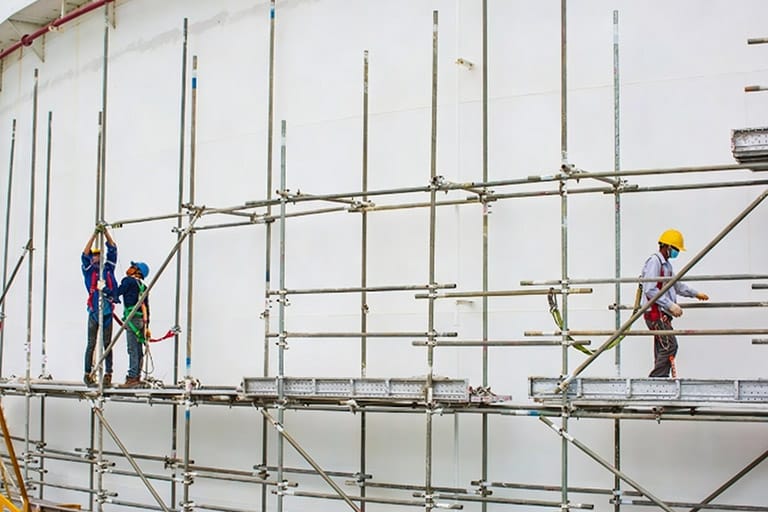
Mobile scaffolding refers to scaffold structures mounted on lockable wheels. These platforms provide safe vertical access while remaining easy to relocate. Construction safety studies indicate that portable scaffolding can cut setup and relocation time by up to 40% compared to traditional fixed scaffolds, making them highly efficient for indoor and low- to medium-height tasks.
Key Features of Mobile Scaffolding
Portable scaffolding is engineered for both safety and convenience. Its key features include:
- Lockable caster wheels for stability during work.
- Adjustable platform heights to fit various tasks.
- Guardrails and toe boards to prevent falls.
- Lightweight frames made of aluminum or steel.
- Quick assembly and disassembly mechanisms.
These features make portable scaffolding ideal for dynamic construction sites, where platforms need to be frequently repositioned.
Types of Mobile Scaffolding
Different tasks require different types of portable scaffolding:
- Single-width scaffolds: Perfect for narrow corridors or tight spaces.
- Double-width scaffolds: Suitable for multiple workers and heavier loads.
- Telescopic scaffolds: Adjustable heights for versatile projects.
- Folding scaffolds: Compact for easy storage and transport.
Choosing the correct type ensures safety and efficiency while optimizing work site operations.
Materials Used in Mobile Scaffolding
| Scaffold Type | Material Options | Load Capacity | Ideal Use Case |
|---|---|---|---|
| Single-width Mobile | Aluminum, Steel | Medium | Indoor maintenance |
| Double-width Mobile | Steel | High | Multi-worker projects |
| Telescopic Mobile | Aluminum, Steel | Medium-High | Adjustable height tasks |
| Folding Mobile | Aluminum | Medium | Compact storage and transport |
Aluminum mobile scaffolds are lightweight and portable, while steel scaffolds offer higher load capacity and durability. Selecting the right material ensures long-term reliability and safe usage.
Safety Guidelines for Mobile Scaffolding
To maximize safety while using portable scaffolding:
- Always lock the wheels before use.
- Do not exceed the platform’s load capacity.
- Inspect frames, wheels, guardrails, and braces before each use.
- Place scaffolds on level, stable surfaces.
- Wear personal protective equipment (PPE) at all times.
Following these guidelines helps prevent falls and other common scaffold-related accidents.
Advantages of Mobile Scaffolding
- Quick relocation without full disassembly.
- Adjustable heights for versatile projects.
- Supports tools, materials, and multiple workers.
- Easy storage and transport.
- Suitable for both indoor and outdoor applications.
Portable scaffolding streamlines operations, improving safety and productivity simultaneously.
Common Mistakes to Avoid
- Failing to lock wheels during use.
- Overloading the scaffold platform.
- Using damaged or worn components.
- Skipping daily inspections.
- Setting up on uneven or unstable surfaces.
Avoiding these mistakes ensures portable scaffolding remains a safe and reliable solution.
Conclusion
Portable scaffolding is a versatile and indispensable solution for construction and maintenance projects. Choosing the right type, following safety protocols, and maintaining scaffolds properly ensures a secure and productive work environment.
FAQ
What is mobile scaffolding?
Portable scaffolding is a scaffold mounted on lockable wheels, providing safe, elevated platforms for workers and materials, and allowing easy relocation across a construction site.
What types of portable scaffolding are available?
Common types include single-width, double-width, telescopic, and folding mobile scaffolds, each suited for specific project requirements.
Can portable scaffolding be used outdoors?
Yes, portable scaffolding can be used outdoors, provided the surface is level and stable. Many outdoor models include corrosion-resistant finishes for durability.
How should portable scaffolding be maintained?
Inspect daily, clean platforms, check guardrails and wheel locks, tighten all connections, and replace damaged or worn parts. Proper maintenance ensures safety and longevity.
What materials are used for portable scaffolding?
Mobile scaffolding is commonly made of aluminum for lightweight portability or steel for higher load capacity and durability. Aluminum is ideal for frequent relocation, while steel is suitable for heavier tasks.
Need Help Choosing the Right Mobile Scaffolding?
If you’re unsure which mobile scaffolding is best for your project, our experts are ready to guide you. Contact us today for a personalized consultation and ensure your team has safe, reliable access to every elevated work area. Don’t wait—get in touch now to protect your workers and your project!