Table of Contents
If you’ve ever visited a construction site, you’ve likely seen scaffolding systems in action. But do you know why scaffolding systems are so important for safety and efficiency? Scaffolds are temporary structures that support workers, tools, and materials while providing access to elevated areas. Using scaffolding systems correctly prevents accidents, improves workflow, and ensures compliance with safety standards.
Introduction
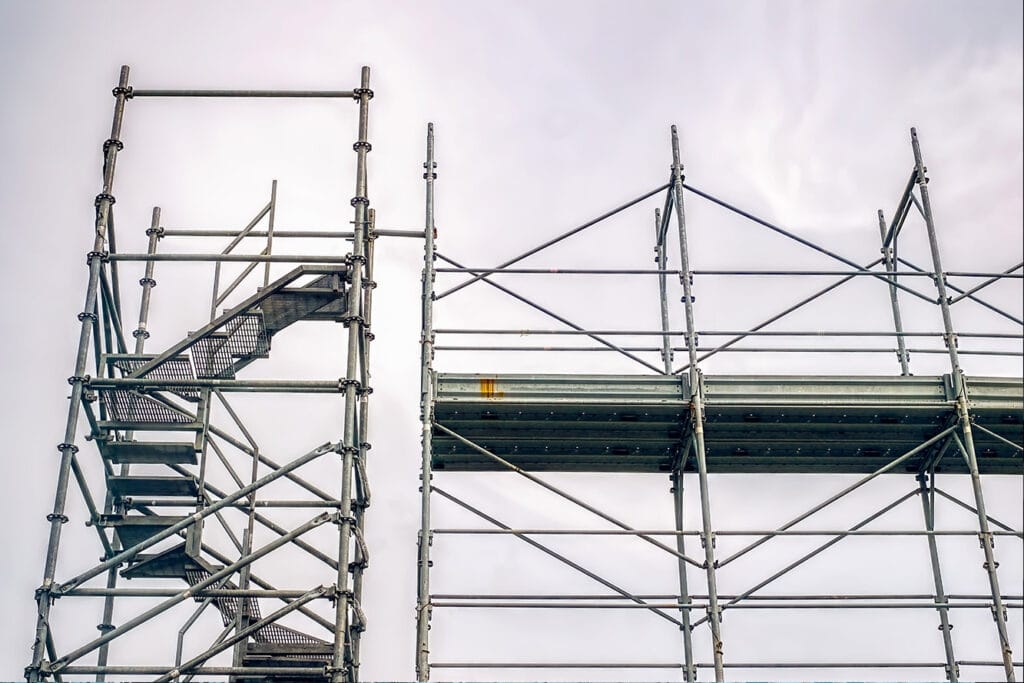
Scaffolding systems are more than just platforms—they are critical safety systems on construction sites. Understanding scaffolding systems ensures you choose the right type for your project and follow safety regulations. Industry safety reports show that scaffold-related accidents make up a significant portion of construction injuries, highlighting the importance of proper scaffold use and training.
Common Types of Scaffolds
There are several types of scaffolding systems, each designed for specific construction needs:
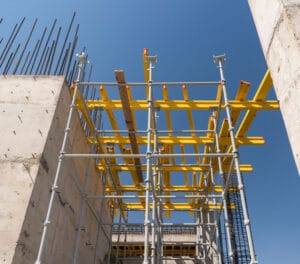
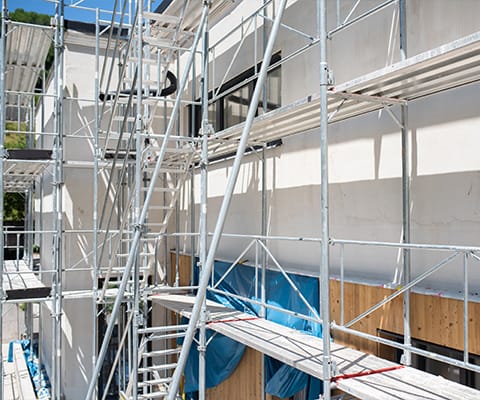
- Supported Scaffolds: Platforms supported by rigid frames, ideal for multi-story construction.
- Suspended Scaffolds: Platforms hanging from ropes or cables, suitable for high-rise building maintenance.
- Mobile Scaffolds: Wheeled scaffolding systems for easy movement, perfect for indoor or low-height projects.
- Cantilever Scaffolds: Supported at one end, useful when ground space is obstructed.
- Trestle Scaffolds: Tripod-supported platforms, commonly used for short-duration, low-height work.
Understanding the different scaffolding systems helps ensure safe and efficient work at height.
Key Scaffold Components
Knowing the parts of scaffolding systems is essential:
- Base Plates and Frames: Provide stability to the entire scaffolding system.
- Platforms/Decks: The working surfaces for personnel and materials.
- Guardrails and Toe Boards: Prevent falls and protect workers from dropped tools.
- Cross Braces: Stabilize scaffolds laterally.
- Suspension Mechanisms: Secure platforms in suspended scaffolding systems.
Proper assembly and inspection of these scaffolding system components are vital for site safety.
Scaffold Materials Comparison
| Scaffold Type | Material Options | Load Capacity | Best Use Case |
|---|---|---|---|
| Supported Scaffold | Steel, Aluminum | High | Multi-story construction |
| Suspended Scaffold | Steel, Alloy Ropes | Medium | High-rise facades |
| Mobile Scaffold | Aluminum, Steel | Medium | Indoor maintenance |
| Cantilever Scaffold | Steel, Aluminum | Medium-High | Obstructed ground areas |
| Trestle Scaffold | Wood, Aluminum | Low-Medium | Low-height, short-term work |
Materials used in scaffolding systems affect strength, portability, and suitability for different tasks. Steel scaffolding systems are strong and durable, aluminum scaffolding systems are lightweight, and wood scaffolding systems are often used for low-height, temporary work.
Scaffold Safety Guidelines
To use scaffolding systems safely, always follow these guidelines:
- Inspect all scaffold components daily.
- Never exceed load capacity.
- Install guardrails, toe boards, and handrails.
- Follow manufacturer assembly and disassembly instructions.
- Require all workers to wear personal protective equipment (PPE).
Adhering to scaffolding system safety protocols reduces risks and ensures a secure working environment.
Benefits of Using Scaffolds
- Provide safe access to elevated areas.
- Support tools and materials efficiently.
- Increase productivity with stable platforms.
- Versatile for indoor and outdoor construction.
- Ensure compliance with safety standards.
Proper understanding of scaffolding systems allows workers to maximize efficiency while minimizing hazards.
Common Mistakes to Avoid
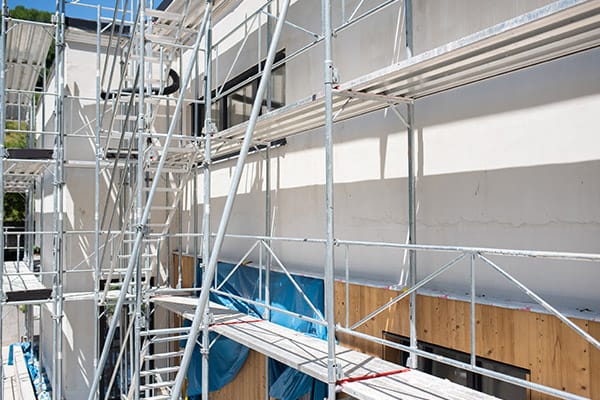
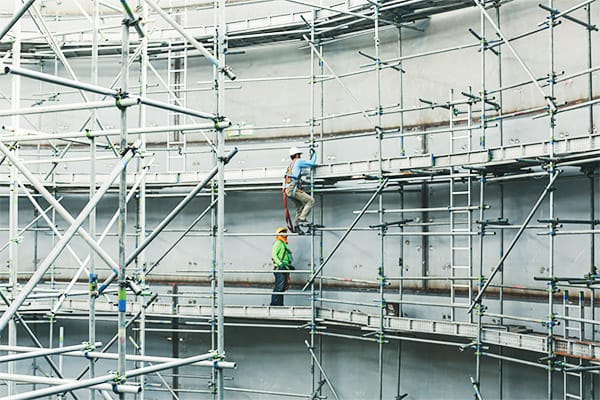
- Using scaffolding systems without training.
- Overloading platforms or uneven weight distribution.
- Ignoring inspections and routine maintenance.
- Removing safety components.
- Using the wrong type of scaffold for the task.
Avoiding these mistakes ensures safe and effective scaffolding system use.
Conclusion
Understanding scaffolding systems and their safe use is essential for every construction or maintenance project. Selecting the right type, following safety guidelines, and maintaining components regularly ensures a secure and productive work environment.
FAQ
What are scaffolds?
Scaffolding systems are temporary structures used to support workers, tools, and materials during construction, maintenance, or repair work at height. They provide a safe platform and access to hard-to-reach areas while improving efficiency.
What types of scaffolds are commonly used?
Common types of scaffolding systems include supported, suspended, mobile, cantilever, and trestle. Each type is designed for specific heights, loads, and site conditions.
Can scaffolding systems be used both indoors and outdoors?
Yes. Indoor scaffolding systems offer maneuverability, while outdoor scaffolding systems often have weather-resistant coatings to withstand environmental conditions.
How should scaffolding systems be maintained?
Inspect scaffolding systems daily, clean platforms, check guardrails and braces, tighten all connections, and replace any damaged or worn components. Regular maintenance keeps scaffolds safe and reliable.
What materials are scaffolding systems made from?
Scaffolding systems are typically made of steel, aluminum, or wood. Steel provides high strength, aluminum is lightweight and portable, and wood is used for low-height, short-term applications.
Need Help Choosing the Right Scaffolds?
If you’re unsure which scaffolding systems are best for your project, our experts are ready to guide you. Contact us today for a personalized consultation and ensure your team has safe, reliable access on every job site. Don’t wait for accidents—get in touch now to protect your workers and your project!