Blog Highlights
- Key safety tips for setting up a rolling scaffold
- Differences between rolling and fixed scaffolds
- Essential components and concepts of rolling scaffold
- Step-by-step setup guide for workers
- Common mistakes to avoid
- Comparison of rolling scaffold types and applications
- Real-world case studies of rolling scaffold use
- FAQs about rolling scaffold safety
Table of Contents
Introduction
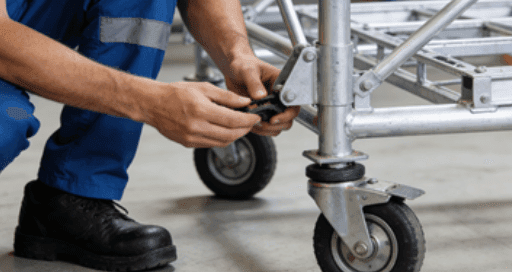
Working at heights is inherently risky. According to the U.S. Occupational Safety and Health Administration (OSHA), falls from scaffolds account for nearly 20% of all construction fatalities each year. Rolling scaffolds, due to their mobility and convenience, are increasingly popular for indoor and outdoor tasks, such as painting, maintenance, window cleaning, and light construction.
However, their mobility introduces unique safety challenges. Unlike fixed scaffolds, rolling scaffolds can move unexpectedly if wheels are unlocked or the surface is uneven, leading to falls, injuries, or equipment damage. Understanding the proper setup, load limits, and operational precautions is essential to maximize safety and efficiency.
This article provides a comprehensive guide to rolling scaffold safety, setup, comparison, and real-world applications. Whether you are a contractor, safety officer, or DIY professional, this guide will help you make informed choices.
What is a Rolling Scaffold?
Definition of Rolling Scaffold
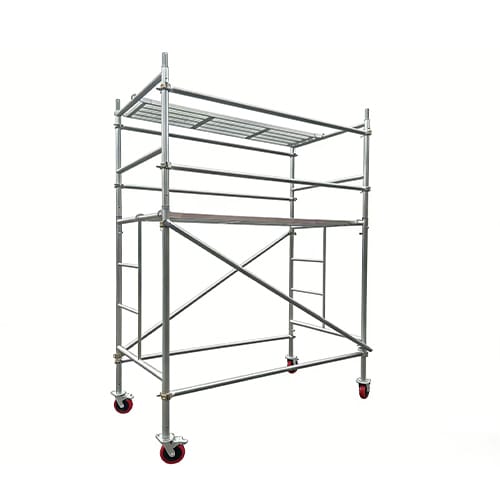
A rolling scaffold is a type of mobile scaffolding mounted on casters or wheels. It is designed to allow workers to reposition the scaffold without disassembling it, saving time on repetitive tasks across large areas. Rolling scaffolds are commonly used in commercial and residential maintenance, painting, HVAC installation, and facility cleaning.
Key Components of a Rolling Scaffold
- Frame: Usually constructed from aluminum or steel, frames support the scaffold platform and ensure structural stability. Aluminum frames are lightweight but less robust for heavy loads, while steel frames provide higher load capacities.
- Wheels/Casters: High-quality swivel casters with locking mechanisms ensure safe mobility. Industrial-grade rolling scaffolds often have wheels rated for up to 1,000 lbs per wheel.
- Platform: The working platform can be made of plywood, metal, or composite materials. The platform width typically ranges from 18 to 36 inches.
- Guardrails and Toe Boards: OSHA requires guardrails on all open sides above 10 feet. Toe boards prevent tools or materials from falling off.
Why Choose a Rolling Scaffold?
| Feature | Rolling Scaffold | Fixed Scaffold |
|---|---|---|
| Mobility | High, can move easily | Low, fixed in place |
| Setup Time | Quick, usually under 30 minutes | Longer, often over 1 hour |
| Typical Load Capacity | 500–1,000 lbs per platform | Up to 2,000 lbs per platform |
| Best Use | Indoor painting, maintenance, cleaning | Multi-story construction, heavy-duty tasks |
Rolling scaffolds improve efficiency by allowing workers to cover large areas without constant assembly and disassembly. They are ideal for projects where frequent repositioning is required, such as corridor maintenance or wall painting.
Rolling Scaffold Safety Basics
Ensure a Stable Surface
Rolling scaffolds must be placed on flat, firm surfaces. Concrete floors, asphalt, and level industrial floors are ideal. Avoid placing scaffolds on slopes, gravel, or soft soil unless additional stabilization measures are applied.
- Tip: Use leveling jacks if minor unevenness exists; do not rely solely on wheel locks.
- Data: Studies show that scaffolds placed on uneven surfaces have a 3–5x higher risk of tipping compared to level surfaces.
Lock Wheels Before Use
Locking the casters is critical. Most rolling scaffolds come with wheel brakes or locking pins. Always engage them before climbing.
- Tip: Double-check locks even if you think the scaffold hasn’t moved. Minor vibrations can release improperly set brakes.
Maintain Proper Load Capacity
Do not exceed the scaffold’s load rating. Load includes:
- Workers
- Tools
- Materials such as paint buckets, construction hardware
- Data: A typical 5’x7’ rolling scaffold can support 750 lbs. Exceeding this weight increases the risk of frame deformation or tipping.
Guardrails and Personal Protection
- Install guardrails on all sides above 10 feet.
- Wear a helmet and fall protection harness if applicable.
- Use non-slip footwear.
Step-by-Step Setup for Rolling Scaffold
Setting up a rolling scaffold correctly is essential for both safety and efficiency. Improper setup is one of the leading causes of scaffold-related accidents. Follow this step-by-step guide to ensure a secure and stable working platform.
Step 1: Inspect Components
Before assembling a rolling scaffold, a thorough inspection of all components is mandatory. Check each piece carefully for damage or wear.
- Frames: Look for bent, cracked, or rusted frames. Even minor deformation can reduce structural integrity.
- Bolts and Fasteners: Ensure all bolts, nuts, and screws are tightened. Loose fasteners can compromise stability.
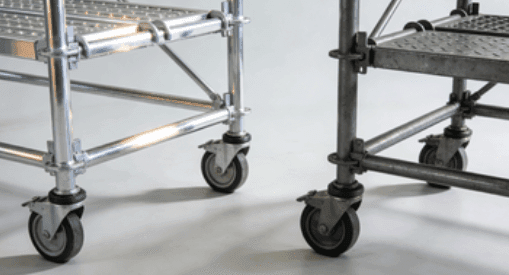
- Casters/Wheels: Examine wheels for wear, cracks, or malfunctioning brakes. Damaged wheels increase the risk of tipping.
- Guardrails and Toe Boards: Verify that guardrails are intact and securely attached. Missing or loose guardrails are a major fall hazard.
- Platforms: Check for cracks, splits, or warping in wooden or metal platforms. Replace if necessary.
Pro Tip: Maintain a checklist for scaffold inspections. According to OSHA, documenting inspections before each use significantly reduces workplace accidents.
Step 2: Assemble Frame Correctly
Proper frame assembly is critical for lateral stability and overall safety.
- Diagonal Braces: Always ensure that diagonal or cross braces are installed correctly. These braces prevent swaying and provide structural rigidity.
- Frame Type Considerations:
- Aluminum Frames: Lightweight and easy to maneuver. Ideal for indoor work and areas requiring frequent movement. However, they may sway more in windy conditions, so secure them properly.
- Steel Frames: Heavier and more robust. Better suited for outdoor applications where higher load capacity is needed.
- Leveling: Make sure the scaffold is assembled on a level surface. Uneven frames can create wobbling even before loading the scaffold.
- Safety Tip: Avoid improvising with damaged frames or makeshift braces. Every component must meet manufacturer specifications.
Step 3: Install Platforms and Guardrails
The platform and guardrails are where workers directly interact with the scaffold, so proper installation is crucial.
- Platform Placement:
- Ensure the platform fits snugly into the frame. No gaps should exist between the platform and the scaffold frame.
- Platforms should be able to bear the intended load without bending or flexing.
- Guardrails:
- OSHA requires guardrails on all open sides for scaffolds over 10 feet in height.
- Recommended guardrail height is generally 42 inches from the platform.
- Install toe boards to prevent tools or materials from falling.
- Safety Tip: Use locking pins or clips provided by the manufacturer to secure the platform and guardrails. Never rely solely on friction.
Extra Concept: Guardrails not only prevent falls but also act as visual boundaries, reducing the risk of accidental collisions when multiple workers are on the scaffold.
Step 4: Test Stability Before Climbing
Even after proper assembly, testing stability is essential.
- Manual Test: Gently push the scaffold from different directions to detect any wobbling or shifting.
- Wheel Locks: Ensure that all casters are fully engaged. Test the locks to confirm they prevent movement.
- Load Test: Place a light load on the platform and observe if the scaffold remains stable. Gradually increase the load to simulate real working conditions.
- Environmental Factors: Check for wind, vibrations from nearby machinery, or uneven flooring that might affect scaffold stability.
Pro Tip: Always assign a second worker to observe while testing the scaffold. A second pair of eyes can detect minor instability that might be missed.
Step 5: Regular Inspections During Use
A rolling scaffold is not “set-and-forget.” Continuous monitoring ensures ongoing safety.
- Wheel Checks: Inspect locks every 2–3 hours, especially if the scaffold is moved multiple times during the day.
- Platform Integrity: Look for any sagging, splitting, or wear that may develop during prolonged use.
- Guardrails and Braces: Confirm that braces remain tight and guardrails have not shifted.
- Environmental Awareness: Check for surface changes, such as spills, debris, or uneven flooring, which may compromise stability.
Extra Safety Concept: Consider marking scaffolds with a visible inspection sticker or tag, indicating the last safety check. This practice is common in professional construction environments and helps maintain accountability.
Rolling Scaffold vs Fixed Scaffold: Key Differences
| Feature | Rolling Scaffold | Fixed Scaffold | Key Considerations |
|---|---|---|---|
| Mobility | Easy to move | Static | Rolling scaffolds are better for repetitive tasks |
| Setup Time | 20–30 mins | 1–2 hours | Faster setup reduces downtime |
| Load Capacity | 500–1,000 lbs | 1,500–2,000 lbs | Fixed scaffolds are safer for heavy loads |
| Safety Risk | Tipping if unlocked or uneven | Fewer movement hazards | Training and surface checks are essential |
| Applications | Painting, maintenance, cleaning | Construction, masonry, high-elevation tasks | Choose based on task and site |
Advanced Rolling Scaffold Concepts
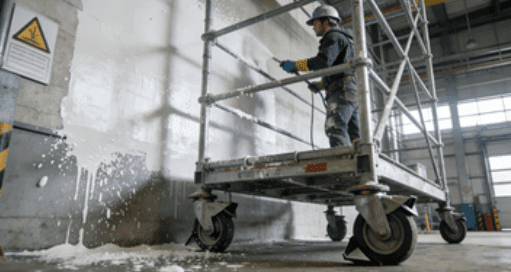
Stabilizers and Outriggers
Adding outriggers increases base width and stability, especially for taller scaffolds. OSHA recommends outriggers when working above 4 times the base width.
Working Height Recommendations
- Typical rolling scaffold height: 6–20 feet
- Use internal ladders or stairs for platforms above 10 feet
- Avoid exceeding manufacturer’s height-to-base ratio
Load Distribution Principles
- Place heavier tools and materials near the platform center
- Distribute workers evenly to prevent leaning or tilting
Real-World Case Studies
Case Study 1: Industrial Painting Project
A factory in Texas used 15 rolling scaffolds to paint a 300-foot corridor. By using rolling scaffolds instead of fixed scaffolds:
- Setup time reduced by 60%
- Workers completed the project in 8 days instead of 12
- No reported injuries due to strict wheel-locking procedures
Case Study 2: School Maintenance
During a school renovation, rolling scaffolds allowed quick repositioning in classrooms for ceiling and wall repairs.
- 12 rolling scaffolds were used simultaneously
- Load distribution prevented tipping even with two workers on each scaffold
- Weekly inspections prevented wear-related incidents
Common Mistakes to Avoid
Overloading the Scaffold
- Exceeding load limits is the top cause of scaffold collapse.
- Tip: Always include an extra 10–15% margin for safety.
Ignoring Wheel Locks
- Even a slight nudge can move the scaffold if wheels are unlocked.
- Tip: Engage locks and test before climbing.
Using on Uneven Surfaces
- Rolling scaffolds are intended for level surfaces.
- Avoid slopes, gravel, or soft ground without additional stabilization.
Inadequate Guardrails
- Guardrails prevent falls, one of the most common accidents.
- OSHA requires guardrails on scaffolds over 10 feet.
Choosing the Right Rolling Scaffold: A Comparison Approach
Indoor vs Outdoor Use
- Indoor: Rolling scaffolds with smaller casters and lighter frames are ideal.
- Outdoor: Use larger, heavy-duty wheels and consider wind conditions.
Aluminum vs Steel Frames
| Material | Advantages | Disadvantages |
|---|---|---|
| Aluminum | Lightweight, easy to move | Lower load capacity |
| Steel | High load capacity, durable | Heavier, harder to reposition |
Platform Width and Height Considerations
- Narrow platforms: easier maneuverability, less stable at heights
- Wide platforms: more stable, heavier to move
FAQ
1. Can I use a rolling scaffold outdoors?
Yes, but only on flat, solid surfaces. Uneven ground increases the risk of tipping.
2. How often should I inspect a rolling scaffold?
Inspect before each use. Check for damaged wheels, loose bolts, or missing guardrails.
3. What is the maximum safe height for a rolling scaffold?
Depends on the manufacturer. General guidance: scaffold height should not exceed 4x the base width.
4. Is training required to operate a rolling scaffold?
Yes. Workers should be trained in setup, movement, and safety practices.
5. How do rolling scaffolds compare to fixed scaffolds in safety?
Rolling scaffolds are mobile and convenient but require extra caution. Fixed scaffolds are more stable but less flexible.
6. Can multiple workers use the same scaffold?
Yes, if total weight does not exceed the load capacity and workers are evenly distributed.
7. What are common injuries related to rolling scaffolds?
Falls, pinch injuries from moving wheels, and tip-overs due to uneven surfaces.
Conclusion
Rolling scaffolds provide flexibility, efficiency, and time savings for tasks that require mobility. By understanding safety basics, following step-by-step setup, comparing scaffold types, and implementing guardrails, wheel locks, and proper load management, you can significantly reduce workplace accidents.
Using rolling scaffolds effectively involves a combination of proper equipment selection, regular inspection, and adherence to safety regulations. Whether for commercial or DIY projects, these tips ensure that workers remain safe while maximizing productivity.
Thank you for reading! We hope our insights help you work safely and efficiently with frame scaffolds and other construction equipment. For more updates, tips, and discussions, connect with us on Facebook.
Join our community to stay informed, share experiences, and engage with fellow professionals in the scaffolding industry.