Table of Contents
Introduction
Working at height is one of the most common yet high-risk activities in construction, maintenance, and industrial environments. Whether installing equipment, painting walls, or carrying out repairs, choosing the right access solution directly impacts both worker safety and operational efficiency.
Two of the most widely used elevated work systems are scaffolds and ladders. While both help workers reach elevated areas, they are designed for different purposes and provide different levels of stability, mobility, and protection.
According to occupational safety research in construction and industrial sectors, falls from height remain one of the leading causes of workplace injuries worldwide. Many of these incidents are linked to improper equipment selection or incorrect use of ladders and scaffold systems.
Understanding the strengths and limitations of each option helps reduce risk and improve productivity on the job site.
What Is a Scaffold?
A scaffold is a temporary elevated structure designed to support workers, tools, and materials while performing tasks at height. Unlike ladders, scaffolds provide a stable working platform that allows users to move more freely and work for extended periods.
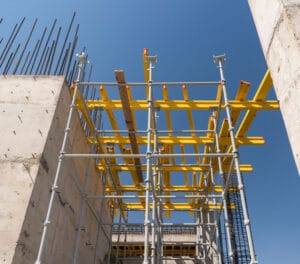
A standard construction access platform system typically includes:
- Vertical frames or standards
- Horizontal braces and ledgers
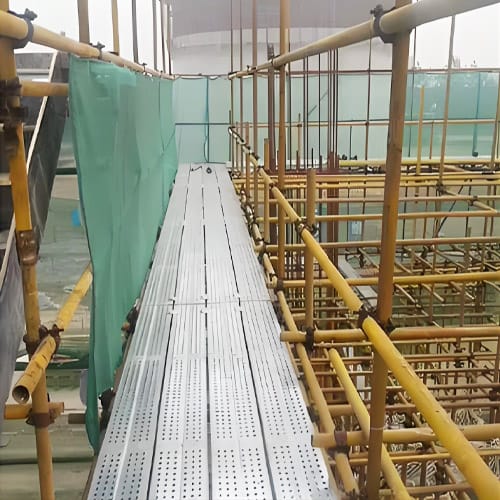
- Working platforms or planks
- Guardrails and toe boards
- Base supports or caster wheels
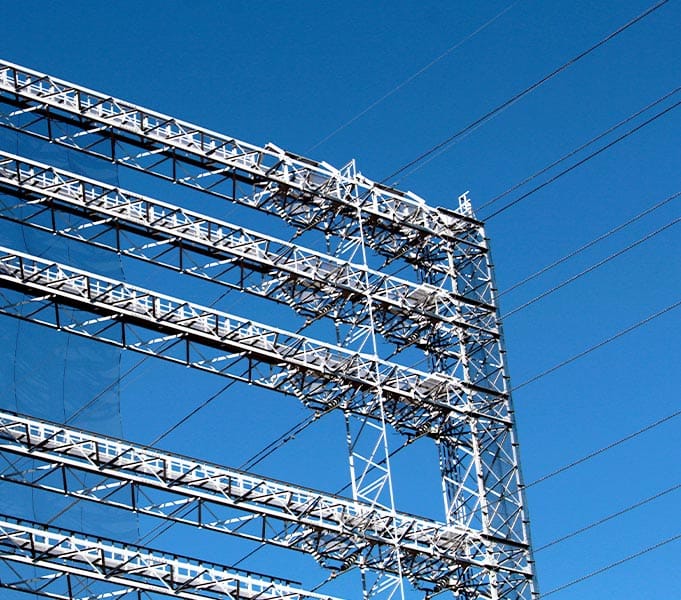
Scaffolds are widely used in construction, industrial maintenance, painting, and infrastructure projects where safety and access are critical.
What Is a Ladder?
A ladder is a portable climbing device designed for quick access to elevated areas. Common ladder types include step ladders, extension ladders, and multi-purpose ladders.
Ladders are lightweight, affordable, and easy to transport. However, they are intended mainly for short-duration tasks and limited working movement.
Unlike construction access platform systems, ladders do not provide a large working platform or fall protection systems, making balance and user positioning essential for safe operation.
Key Differences Between Scaffold and Ladder
Although both systems provide elevated access, their design and functionality are very different.
Scaffolds create a stable work platform that can support multiple workers and equipment. Ladders, on the other hand, are designed for individual access and limited movement.
The main differences include:
- Stability
- Working space
- Load capacity
- Safety features
- Mobility and efficiency
These differences become increasingly important as project complexity and working height increase.
Safety Comparison: Scaffold vs Ladder
Safety is the most important factor when comparing construction access platform systems and ladders.
Stability and Balance
Construction access platforms offer significantly greater stability because they use multiple support points and wide platforms. Workers can stand comfortably and maintain balance while using tools or handling materials.
Ladders require users to maintain continuous balance on narrow rungs, increasing fatigue and the risk of slips or falls.
Fall Protection
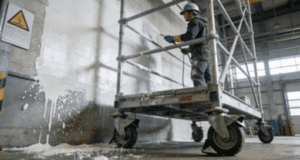
Modern construction access platform systems often include:
- Guardrails
- Toe boards
- Anti-slip platforms
- Locking caster systems
These features reduce fall risk and improve worker confidence.
Most ladders do not include integrated fall protection systems, making correct setup and user behavior essential.
Load Capacity
Scaffolds are designed to support heavier loads, including:
- Multiple workers
- Construction materials
- Equipment and tools
Ladders generally support only one user and minimal additional weight.
Working Duration
For extended tasks, construction access platforms provide a much safer and more ergonomic solution. Workers experience less fatigue and can move horizontally without repeatedly climbing up and down.
Scaffold vs Ladder Comparison Table
| Feature | Scaffold | Ladder |
|---|---|---|
| Stability | High | Moderate |
| Working Platform | Large and stable | Narrow steps |
| Fall Protection | Guardrails and safety systems | Limited |
| Load Capacity | Multiple workers and tools | Single user |
| Best for Long Tasks | Yes | No |
| Mobility | Moderate to high | High |
| Setup Time | Longer | Faster |
| Safety Level | Higher | Lower |
This comparison shows why construction access platform systems are often preferred in professional construction and industrial environments.
When to Use a Scaffold
A scaffold is the best choice when:
- The task requires extended work at height
- Multiple workers are involved
- Heavy tools or materials are needed
- Workers need horizontal movement
- Safety regulations require stable platforms
Scaffolds are especially effective for:
- Exterior construction
- Building maintenance
- Painting large surfaces
- Industrial installations
When to Use a Ladder
Ladders remain useful for:
- Quick inspections
- Minor repairs
- Short-duration tasks
- Low-height access
Their lightweight design makes them practical when mobility and rapid setup are priorities.
However, ladders should not be used for prolonged work or tasks requiring significant side reach.
Common Safety Mistakes to Avoid
Using the Wrong Equipment
One of the biggest mistakes is using a ladder for tasks that require the stability of a construction access platform.
Ignoring Load Limits
Overloading either system can compromise stability and increase accident risk.
Improper Setup
Unstable ground, unlocked caster wheels, or incorrect ladder angles are common causes of workplace incidents.
Lack of Inspection
Regular inspection is essential to identify damaged components, loose connections, or worn platforms.
How to Choose Between a Scaffold and a Ladder
Choosing the right elevated work solution depends on several factors:
Project Duration
Longer tasks generally require construction access platform systems for better safety and comfort.
Working Height
Higher work areas increase fall risk and often require stable construction access platforms.
Workspace Size
Tasks involving movement across large areas are more efficient with construction access platforms.
Budget and Efficiency
Although ladders cost less initially, construction access platforms often improve long-term productivity and reduce downtime.
Industry Trends in Elevated Work Safety
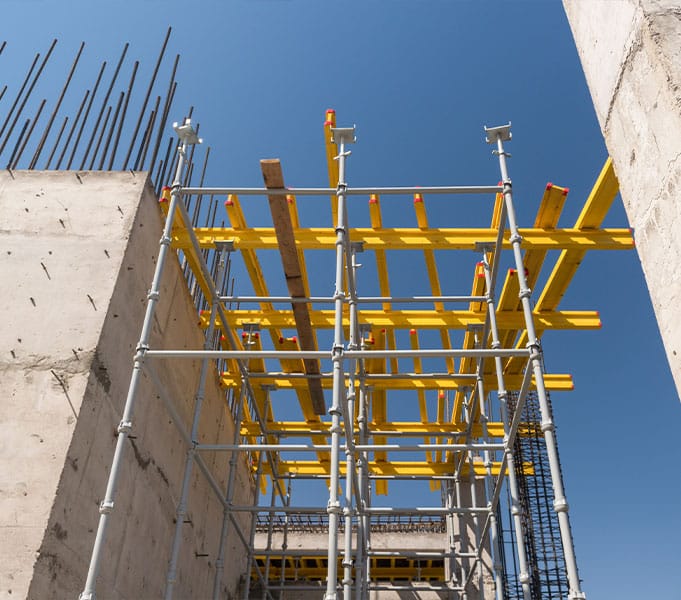
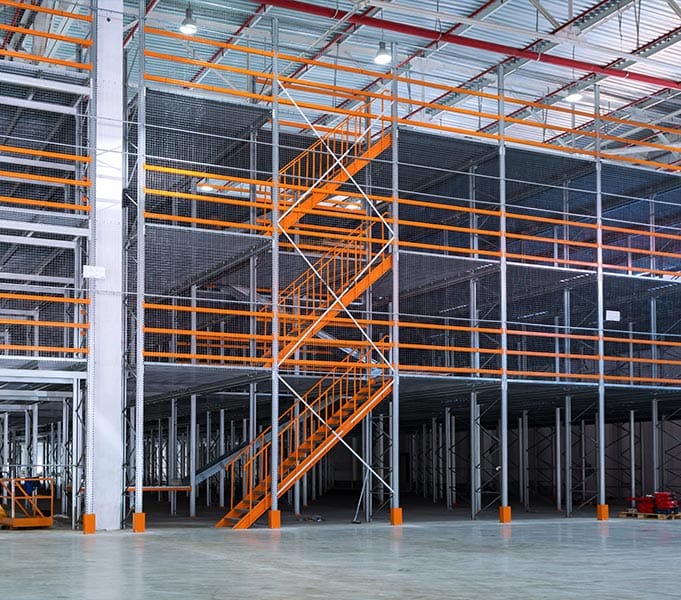
Modern construction projects increasingly prioritize safer elevated work solutions. Industry reports indicate growing demand for mobile construction access platforms, modular platforms, and advanced fall protection technologies.
Many companies are investing in scaffold systems because they:
- Improve worker safety
- Increase operational efficiency
- Reduce accident-related costs
- Support compliance with stricter safety standards
This trend reflects a broader shift toward safer and more productive worksite practices.
Conclusion
When comparing construction access platform vs ladder systems, scaffolds clearly provide a safer and more stable solution for most elevated work applications. Their wide platforms, fall protection features, and higher load capacity make them ideal for extended or complex tasks.
Ladders still serve an important role for quick and simple jobs, but they should be used carefully and only within their intended limits.
Ultimately, choosing the right equipment depends on the task, environment, and safety requirements. Investing in the proper elevated work solution not only protects workers but also improves productivity and project performance.
FAQ
Which is safer for elevated work, a scaffold or a ladder?
A scaffold is generally safer because it provides a stable platform, guardrails, and better load support. Ladders are suitable for quick tasks but carry a higher risk of slips and falls during long-duration or complex work.
When should I use a scaffold instead of a ladder?
You should use a construction access platform for projects that require extended work at height, multiple workers, heavy tools, or frequent movement. Scaffolds offer better stability and efficiency for construction, painting, and industrial maintenance tasks.
Are ladders more affordable than scaffold systems?
Yes, ladders usually have a lower initial cost and faster setup time. However, scaffold systems can improve productivity and safety for larger projects, making them more cost-effective over the long term.
What are the main safety risks when using ladders?
Common ladder risks include slipping, tipping, overreaching, and improper positioning. These risks increase when ladders are used for tasks that require long working hours or carrying heavy tools and materials.
Can mobile scaffold systems replace ladders completely?
Not completely. Mobile scaffold systems are ideal for safer and more stable elevated work, but ladders are still practical for quick inspections, low-height access, and short-duration tasks where portability is important.
Need Help Choosing the Right Scaffold System?
If you’re unsure whether a scaffold or ladder is the best solution for your elevated work project, our experts are here to help. Contact us today for a personalized consultation, and ensure your access equipment is safe, stable, and fully compliant with industry standards. Don’t take unnecessary risks at height—get in touch now to protect your workers and improve job site efficiency!