Table of Contents
Introduction
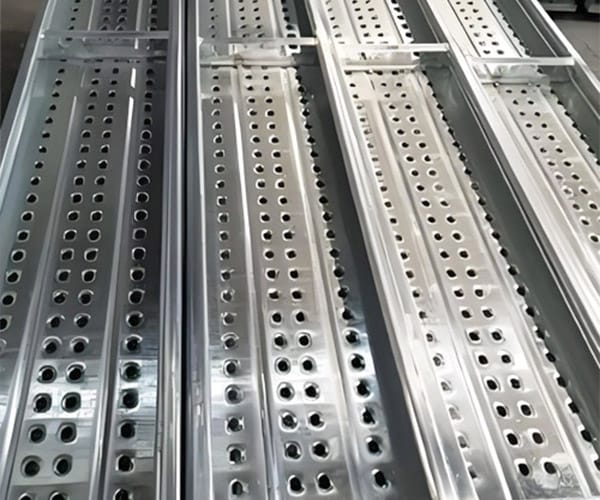
Scaffolding planks are one of the most critical components of any scaffolding system. They create the working platform that supports workers, tools, and materials at elevated heights. Choosing the right scaffolding planks directly affects job site safety, worker productivity, and overall project efficiency.
Modern construction projects require scaffolding platforms that are durable, stable, slip-resistant, and capable of handling different load requirements. According to construction safety studies, improper platform selection and overloaded planks remain major causes of scaffolding accidents worldwide. This is why selecting high-quality scaffolding planks is essential for both small maintenance tasks and large-scale construction projects.
This guide explains how to choose the right scaffolding planks for your project, including materials, load capacity, safety standards, and maintenance considerations.
What Are Scaffolding Planks?
Scaffold planks are horizontal platform boards installed across scaffold frames to create walking and working surfaces. They are designed to support workers and construction materials safely at elevated heights.
Scaffold planks are commonly manufactured from:
- Aluminum
- Steel
- Wood
- Composite materials
Each material offers different advantages depending on project requirements, working environments, and budget considerations.
Why Choosing the Right Scaffolding Planks Matters
Selecting the wrong scaffold planks can lead to:
- Reduced worker safety
- Structural instability
- Platform bending or failure
- Increased maintenance costs
- Lower job site productivity
High-quality scaffold planks improve:
- Worker stability
- Load distribution
- Slip resistance
- Project efficiency
- Compliance with safety standards
The right platform system also reduces downtime caused by damaged or unsuitable planks.
Main Types of Scaffolding Planks
Different projects require different plank materials and platform designs.
Wooden Scaffolding Planks
Wood planks are traditional scaffold platforms commonly used for lighter construction tasks.
Advantages:
- Lower initial cost
- Easy availability
- Simple handling
Limitations:
- Susceptible to moisture damage
- Shorter lifespan
- Requires frequent inspection
Aluminum Scaffolding Planks
Aluminum planks are lightweight, corrosion-resistant, and widely used in modern construction.
Advantages:
- Lightweight and easy to transport
- Strong load capacity
- Corrosion resistance
- Long service life
Limitations:
- Higher initial investment
- Can become slippery without anti-slip surfaces
Steel Scaffolding Planks
Steel planks are designed for heavy-duty industrial applications.
Advantages:
- Extremely durable
- High load-bearing strength
- Fire resistance
Limitations:
- Heavier to move and install
- Potential corrosion without protective coating
Composite Scaffolding Planks
Composite planks combine lightweight construction with durability.
Advantages:
- Weather resistance
- Slip resistance
- Reduced maintenance
Limitations:
- Higher cost in some markets
Table: Comparison of Different Scaffolding Plank Materials
| Plank Material | Main Advantages | Limitations | Best Applications |
|---|---|---|---|
| Wood Planks | Affordable and accessible | Moisture damage, shorter lifespan | Light construction and maintenance |
| Aluminum Planks | Lightweight, corrosion-resistant | Higher initial cost | Mobile scaffolding and outdoor projects |
| Steel Planks | Heavy-duty strength | Heavier weight | Industrial and high-load projects |
| Composite Planks | Slip-resistant and durable | Higher price | Long-term and high-moisture environments |
Understanding Load Capacity Requirements
One of the most important factors when selecting scaffold planks is load capacity.
Planks must support:
- Workers
- Tools
- Equipment
- Construction materials
Overloading scaffold platforms increases the risk of:
- Structural failure
- Worker injury
- Scaffold collapse
Always verify:
- Maximum load ratings
- Uniform load distribution
- Platform span limitations
Heavy-duty industrial projects typically require steel or reinforced aluminum planks, while lighter maintenance tasks may use wood or composite systems.
Slip Resistance and Worker Safety
Slip resistance is critical for elevated work environments.
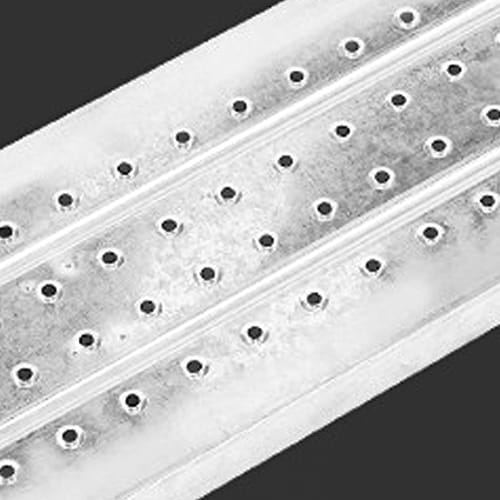
Modern scaffold planks often include:
- Perforated anti-slip surfaces
- Textured platform designs
- Drainage holes for water removal
Slip-resistant platforms help reduce accidents caused by:
- Rain
- Dust
- Oil
- Construction debris
For outdoor projects or industrial environments, anti-slip aluminum or composite planks are often preferred.
Indoor vs Outdoor Project Considerations
Environmental conditions strongly affect plank selection.
Indoor Projects
Indoor construction usually prioritizes:
- Lightweight handling
- Easy mobility
- Clean surfaces
Aluminum planks are popular for indoor use because they are lightweight and easy to reposition.
Outdoor Projects
Outdoor environments require:
- Weather resistance
- Corrosion protection
- Moisture durability
Steel, aluminum, or composite planks often perform better outdoors than untreated wood.
Scaffold Compatibility and Platform Size
Not all scaffold planks fit every scaffold system.
Before purchasing, verify:
- Platform length and width
- Hook or locking compatibility
- Frame dimensions
- Weight distribution requirements
Improperly fitted planks can compromise scaffold stability and worker safety.
Safety Standards and Certifications
Always choose scaffold planks that comply with recognized safety standards.
Reliable products should meet:
- Load testing requirements
- Structural performance standards
- Slip resistance regulations
- Material quality certifications
Certified planks provide better reliability and reduce workplace risks.
Maintenance and Inspection Tips
Regular inspection extends the lifespan of scaffold planks and improves safety.
Important Maintenance Practices
- Inspect for cracks, bending, or corrosion
- Remove damaged planks immediately
- Keep surfaces clean and dry
- Check locking mechanisms regularly
- Store planks in protected environments
Routine maintenance helps prevent unexpected failures on job sites.
Common Mistakes When Choosing Scaffolding Planks
Many contractors make avoidable selection mistakes, including:
- Choosing planks based only on price
- Ignoring load capacity requirements
- Using damaged or worn platforms
- Selecting incorrect platform sizes
- Overlooking environmental conditions
Proper planning and product selection improve both safety and long-term project efficiency.
Future Trends in Scaffolding Plank Design
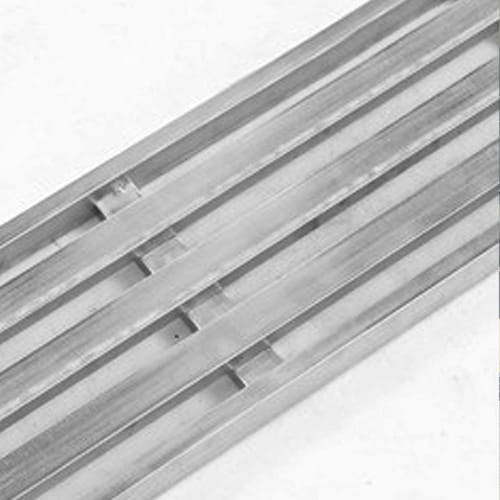
Modern scaffolding platforms continue to evolve with new technologies and materials.
Current trends include:
- Lightweight aluminum alloy platforms
- Advanced anti-slip surfaces
- Modular locking systems
- Eco-friendly composite materials
- Smart load-monitoring scaffold systems
These innovations aim to improve worker safety while reducing maintenance and labor costs.
Conclusion
Choosing the right scaffolding planks is essential for maintaining safe, stable, and productive elevated work environments. Factors such as material type, load capacity, slip resistance, environmental conditions, and scaffold compatibility all play important roles in selecting the best platform system.
High-quality scaffolding planks not only improve worker safety but also increase project efficiency and reduce long-term maintenance costs. By understanding your project requirements and choosing certified, durable platforms, you can create safer and more reliable construction operations.
FAQ
What are scaffolding planks used for?
Scaffolding planks create a stable working platform on scaffolds, allowing workers to stand, move, and carry tools safely at height. They are widely used in construction, maintenance, painting, and industrial projects.
What materials are scaffolding planks made from?
Common materials include wood, aluminum, steel, and composite materials. Each offers different benefits in weight, durability, cost, and load capacity depending on the type of project and working environment.
How do I choose the right scaffolding planks?
Consider load capacity, material type, platform size, safety standards, and indoor or outdoor use. Heavy-duty projects often require steel or aluminum planks, while lighter tasks may use wood or composite options.
Are aluminum scaffolding planks better than wooden ones?
Aluminum planks are lighter, stronger, and more durable than wood. They resist corrosion and last longer, while wooden planks are cheaper but less durable and more affected by moisture and wear.
How should scaffolding planks be maintained?
Inspect regularly for cracks, bending, or damage. Keep surfaces clean and dry, avoid overloading, and replace worn planks immediately. Proper storage and maintenance improve safety and extend service life.
Need Help Choosing the Right Scaffolding Planks?
If you’re unsure which scaffolding planks are best for your project, our experts are here to help. Contact us today for a personalized consultation, and ensure your scaffolding platform is safe, durable, and fully compliant with industry standards. Don’t wait until it’s too late—get in touch now to protect your workers and improve job site safety!