Table of Contents
Introduction
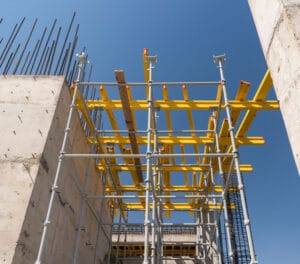
Scaffold systems are widely used in construction, maintenance, and industrial work, providing temporary elevated access for workers and materials. While the overall structure is important, the performance of a scaffold largely depends on its individual scaffold parts.
Each component plays a specific role in ensuring safety, stability, and efficiency. Even a small defect or mismatch in one part can compromise the entire system. According to construction safety research, a significant percentage of scaffold-related incidents are linked to improper assembly or damaged components rather than the system design itself.
Understanding scaffold parts helps improve safety decisions, reduce risks, and enhance job site performance.
What Are Scaffold Parts?
Scaffolding components refer to the individual components that make up a complete scaffolding system. These parts work together to create a stable structure that supports workers, tools, and materials at height.
Common scaffolding components include:
- Base plates and sole boards
- Vertical standards (uprights)
- Ledgers (horizontal supports)
- Transoms (cross supports)
- Platforms or planks
- Guardrails and toe boards
- Couplers and connectors
- Braces and stabilizers
Each part contributes to structural integrity and overall safety.
Base Components and Their Role in Stability
The base of a scaffold is critical for load distribution and overall stability.
Base plates and sole boards help:
- Distribute weight evenly across the ground
- Prevent sinking or tilting
- Maintain vertical alignment
If the base is unstable, the entire structure is at risk of shifting or collapsing. Proper ground preparation and leveling are essential before installation.
Vertical Standards: The Backbone of the Scaffold
Vertical standards are the main load-bearing elements of a scaffold system. They transfer weight from the platform to the ground.
Their impact on safety includes:
- Supporting total system load
- Maintaining structural height stability
- Ensuring vertical alignment
Damaged or poorly installed standards can lead to structural imbalance and increased collapse risk.
Horizontal Ledgers and Structural Balance
Ledgers connect vertical standards and provide horizontal stability.
They help:
- Distribute weight across the structure
- Maintain spacing between standards
- Increase overall rigidity
Without properly secured ledgers, scaffolds can become unstable and lose structural integrity under load.
Transoms and Load Distribution
Transoms are cross-supports that hold working platforms in place.
They are essential for:
- Supporting platform boards
- Distributing worker and material loads
- Preventing platform bending
Incorrect spacing or weak transoms can lead to platform failure, especially under heavy loads.
Platforms and Working Surfaces
The working platform is where workers stand and perform tasks. Its quality directly impacts safety and efficiency.
Key safety factors include:
- Anti-slip surface design
- Adequate width for movement
- Proper load rating
- Secure placement on transoms
Poor-quality or damaged platforms are one of the most common causes of scaffold-related accidents.
Guardrails and Fall Protection Systems
Guardrails are one of the most important safety features in scaffold systems.
They provide:
- Fall prevention from elevated platforms
- Edge protection during movement
- Increased worker confidence
A complete guardrail system typically includes top rails, mid rails, and toe boards. Missing or improperly installed guardrails significantly increase fall risk.
Couplers and Connectors: Hidden but Critical
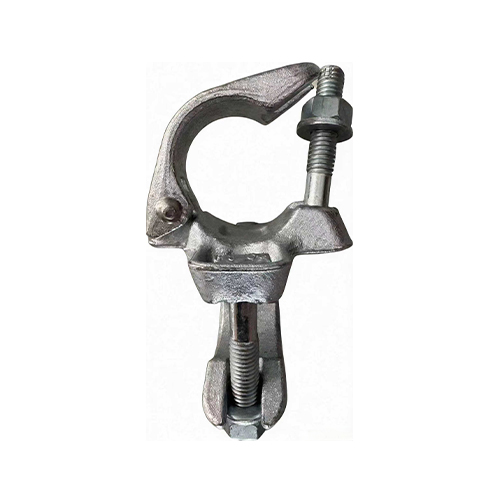
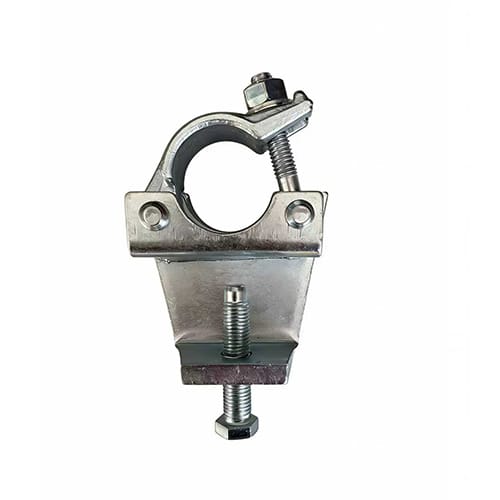
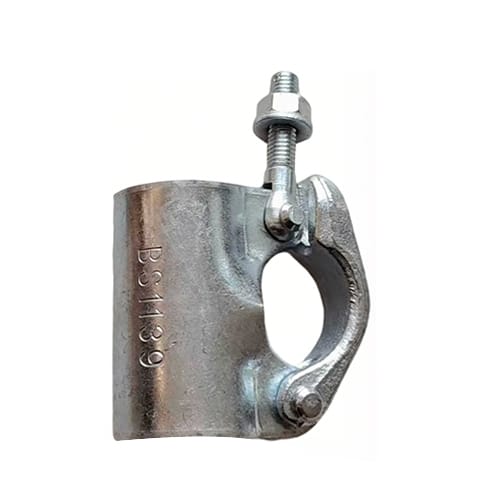
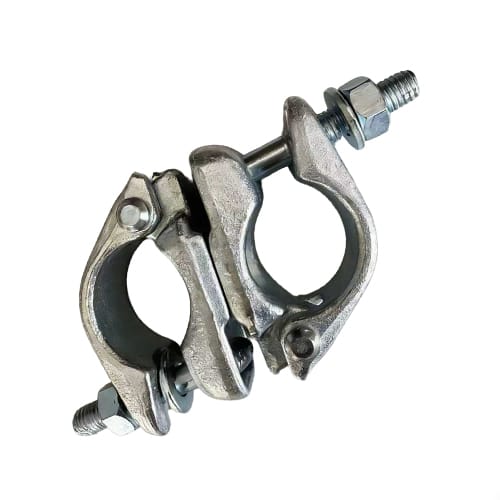
Couplers and connectors hold scaffold parts together. Although small, they are essential for system integrity.
They ensure:
- Secure connection between tubes
- Structural rigidity
- Load transfer between components
Loose or low-quality couplers can cause joint failure, leading to structural instability.
Braces and Overall Structural Strength
Bracing systems improve resistance to lateral movement and external forces such as wind or vibration.
They help:
- Prevent swaying
- Maintain alignment
- Increase load resistance
Proper diagonal bracing significantly enhances scaffold stability, especially in tall or mobile systems.
Scaffold Parts Safety Comparison Table
| Scaffold Part | Primary Function | Impact on Safety | Risk if Failed |
|---|---|---|---|
| Base Plates | Load distribution | High | Structural collapse |
| Vertical Standards | Main support | Critical | Total failure |
| Ledgers | Horizontal stability | High | Frame instability |
| Transoms | Platform support | High | Platform collapse |
| Platforms | Working surface | Critical | Fall accidents |
| Guardrails | Fall protection | Critical | Severe injury risk |
| Couplers | Connection strength | High | Joint failure |
| Braces | Lateral stability | High | Structural sway |
How Scaffold Parts Work Together
Scaffold safety does not depend on a single component but on how all parts work together as a system.
For example:
- Base stability supports vertical standards
- Standards rely on ledgers for spacing and alignment
- Transoms support platforms for working load
- Guardrails protect workers from falls
If one part fails, the entire system may be compromised.
Common Mistakes in Using Scaffold Parts
Many scaffold failures result from preventable errors, such as:
- Using incompatible components
- Ignoring load capacity limits
- Skipping regular inspections
- Reusing damaged parts
- Improper assembly sequence
Even small mistakes in part selection or installation can significantly increase risk.
Maintenance and Inspection of Scaffold Parts
Regular inspection ensures long-term safety and performance.
Key maintenance practices include:
- Checking for cracks, corrosion, or deformation
- Ensuring all couplers are tightly secured
- Replacing worn platforms or guardrails
- Verifying structural alignment before use
Routine inspections are especially important in high-use construction environments.
Choosing High-Quality Scaffold Parts
Selecting reliable scaffold parts improves both safety and efficiency.
Important factors include:
- Material strength (steel or aluminum)
- Manufacturing standards
- Load capacity ratings
- Compatibility with existing systems
High-quality components reduce failure risk and improve long-term performance.
Conclusion
Scaffold parts are the foundation of every safe and stable scaffolding system. Each component plays a specific role in load distribution, structural integrity, and fall protection.
Understanding how these parts work together helps prevent accidents, improve efficiency, and ensure compliance with safety standards. In construction environments, investing in quality scaffold parts is not optional—it is essential for safe and reliable elevated work.
FAQ
What are scaffold parts used for?
Scaffold parts are the individual components that form a complete scaffolding system. They include standards, ledgers, platforms, and couplers, all working together to create a safe and stable structure for elevated construction and maintenance work.
What are the main scaffold parts?
The main scaffold parts include base plates, vertical standards, ledgers, transoms, working platforms, guardrails, braces, and couplers. Each part plays a specific role in supporting load, ensuring stability, and improving worker safety at height.
Which scaffold parts are most important for safety?
Key safety-critical scaffold parts include guardrails, platforms, and vertical standards. Guardrails prevent falls, platforms provide stable working surfaces, and standards support overall structure integrity. Failure in any of these parts can increase accident risk.
How often should scaffold parts be inspected?
Scaffold parts should be inspected before every use and regularly during long-term projects. Checks should focus on cracks, corrosion, loose couplers, and damaged platforms to ensure the system remains safe and structurally stable.
Can damaged scaffold parts be reused?
No, damaged scaffold parts should never be reused. Even minor defects can weaken the entire structure and increase safety risks. Always replace worn or damaged components with certified parts to maintain scaffold stability and compliance.
Need Help Choosing the Right Scaffold Parts?
If you’re unsure which scaffold components are best for your system, our experts are here to help. Contact us today for a personalized consultation, and ensure your scaffolding structure is safe, stable, and fully compliant with industry standards. Don’t compromise on safety—get in touch now to protect your workers and improve job site performance!