Table of Contents
Introduction

Ladders and scaffolding are two of the most widely used access solutions in construction, maintenance, and industrial work. Both are designed to help workers reach elevated areas, but they differ significantly in structure, safety level, and application.
In real-world job sites, the choice between ladders and scaffolding directly affects productivity and safety outcomes. Industry safety studies consistently show that falls from height remain one of the leading causes of workplace injuries, which makes selecting the right access system a critical decision rather than a simple equipment choice.
This guide provides a clear, practical comparison of ladders and scaffolding, helping you understand when and how to use each system safely and effectively.
What Are Ladders?
Ladders are portable vertical access tools designed for short-duration tasks. They consist of two side rails connected by evenly spaced rungs or steps, allowing users to climb to a required height.
There are several common types of ladders:
- Step ladders for low-height indoor tasks
- Extension ladders for higher reach applications
- Multi-purpose ladders for flexible configurations
Ladders are widely used due to their simplicity, portability, and low cost. However, they require constant user balance and do not provide a stable working platform, which limits their use for extended tasks.
What Is Scaffolding?
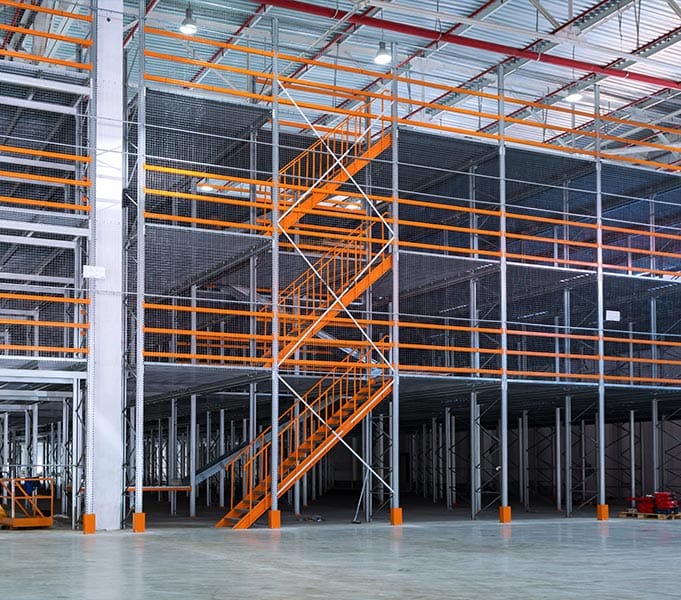
Scaffolding is a temporary elevated structure designed to support workers, tools, and materials at height. Unlike ladders, scaffolding provides a full working platform, improving stability and safety during extended operations.
A typical scaffolding system includes:
- Vertical supports for structural stability
- Horizontal frames and braces
- Working platforms or planks
- Guardrails and safety components
Scaffolding is commonly used in construction, renovation, and industrial maintenance projects where workers need prolonged access to elevated areas.
Key Differences Between Ladders and Scaffolding
The main difference between ladders and scaffolding lies in stability and working capability.
Ladders are designed for quick access tasks, while scaffolding is intended for sustained work at height. Scaffolding provides a wide platform where workers can move freely, whereas ladders require continuous balance on narrow steps.
In terms of load capacity, scaffolding can support multiple workers and tools simultaneously, while ladders are generally limited to one user with minimal equipment.
Mobility also differs. Ladders are manually repositioned, while some scaffolding systems can be mobile or modular, allowing easier movement across a worksite.
Safety Comparison: Ladders vs Scaffolding
Safety is one of the most important factors when choosing between ladders and scaffolding.
Ladders carry a higher risk of falls because they rely heavily on user balance. Common risks include overreaching, slipping, and improper placement.
Scaffolding, on the other hand, provides guardrails, stable platforms, and better load distribution. These features significantly reduce the risk of falls and improve worker confidence during complex tasks.
According to occupational safety research in construction environments, scaffold systems with proper guardrails and inspection routines can significantly lower fall-related incidents compared to ladder use in prolonged tasks.
Ladders vs Scaffolding Comparison Table
| Feature | Ladders | Scaffolding |
|---|---|---|
| Stability | Low to moderate | High |
| Working platform | None | Wide platform |
| Load capacity | One person | Multiple workers + tools |
| Safety level | Lower | Higher |
| Mobility | High (manual repositioning) | Medium to high (depends on system) |
| Best use case | Short tasks | Long-duration work |
This comparison highlights why scaffolding is generally preferred for professional construction environments.
When to Use Ladders
Ladders are best suited for quick, low-risk tasks such as:
- Changing light fixtures
- Minor repairs
- Short inspections
- Accessing limited-height areas
They are ideal when the work duration is short and no heavy tools are required. Their portability makes them convenient for rapid setup and movement.
However, ladders are not suitable for extended work or tasks requiring both hands for operation over long periods.
When to Use Scaffolding
Scaffolding is the preferred choice for:
- Construction and building work
- Painting large surfaces
- Installation tasks
- Industrial maintenance
It is particularly effective when workers need stability, space, and time to complete complex tasks safely.
Scaffolding also improves efficiency by allowing workers to stay at the same height and move horizontally, reducing repeated setup time.
Safety Guidelines for Ladders and Scaffolding
Proper use of both systems is essential for workplace safety.
For ladders:
- Always place on stable, flat ground
- Maintain three-point contact when climbing
- Avoid overreaching
For scaffolding:
- Ensure correct assembly and bracing
- Install guardrails and safety components
- Inspect before each use
- Do not exceed load capacity
Many workplace accidents occur due to improper setup or lack of inspection rather than equipment failure itself.
Common Mistakes to Avoid
One common mistake is using ladders for tasks that require prolonged work at height. This increases fatigue and risk of falling.
Another issue is improper scaffolding assembly, which can compromise stability and safety.
Ignoring load limits is also a frequent problem, especially when tools and materials are added without considering total weight.
How to Choose Between Ladders and Scaffolding


Choosing between ladders and scaffolding depends on several key factors:
- Duration of work
- Height requirements
- Load weight
- Workspace complexity
- Safety requirements
If the task is short and simple, a ladder may be sufficient. For longer, more complex, or higher-risk work, scaffolding is the safer and more efficient option.
Conclusion
Ladders and scaffolding both play important roles in elevated work environments, but they serve different purposes. Ladders are ideal for quick access tasks, while scaffolding provides a safer, more stable platform for extended work.
Understanding their differences allows you to make better decisions that improve both safety and productivity. In most professional construction scenarios, scaffolding offers a higher level of protection and efficiency, especially when work duration and complexity increase.
FAQ
What are ladders and scaffolding used for?
Ladders and scaffolding are used to provide safe access to elevated work areas. Ladders are suitable for short tasks, while scaffolding is used for longer, more complex construction, maintenance, and installation work requiring stability and space.
Which is safer, ladders or scaffolding?
Scaffolding is generally safer because it provides a stable platform with guardrails and better balance. Ladders carry higher fall risks since users must maintain balance and cannot securely support tools or extended work time.
When should I use a ladder instead of scaffolding?
A ladder is best for quick, low-height tasks like inspections or minor repairs. It is not suitable for long-duration work or when both hands are needed for tools, where scaffolding is a safer option.
What are the main types of scaffolding?
Common types include supported scaffolding, mobile scaffolding, suspended scaffolding, and system scaffolding. Each type is designed for different project heights, load requirements, and construction conditions.
Can scaffolding replace ladders completely?
Not always. Scaffolding is better for extended or high-risk tasks, while ladders are more practical for quick and simple jobs. Both tools are complementary depending on project needs and working conditions.
Need Help Choosing the Right Ladders and Scaffolding?
If you’re unsure which access system is best for your project, our experts are here to help. Contact us today for a personalized consultation, and ensure your working-at-height solution is safe, efficient, and fully compliant with industry standards. Don’t take risks on site—get in touch now to protect your workers and improve job site productivity!