Welcome to the Cangzhou Zichen Building Materials blog! As a leading manufacturer specializing in the R&D, production, and export of construction equipment, we are dedicated to sharing expert knowledge, practical tips, and industry insights. Whether you work with mobile scaffolding, ringlock scaffolding, or adjustable steel props, our goal is to help you improve safety, efficiency, and project quality. Keep reading to explore essential practices and advice for scaffold users at every level.
Table of Contents
Key Takeaways
- Understand what scaffolding certification is and why it is required in construction safety compliance
- Learn global certification standards used in scaffolding training and inspection systems
- Compare certified vs non-certified scaffolding workers in real construction environments
- Explore training modules, assessment systems, and safety regulations in detail
- Review cost, validity, and renewal requirements of scaffolding certification programs
- Analyze real-world safety improvements linked to certified scaffolding practices
- Get answers to common user search queries in natural, conversational language
- Understand how certification impacts job opportunities and site safety compliance
Introduction
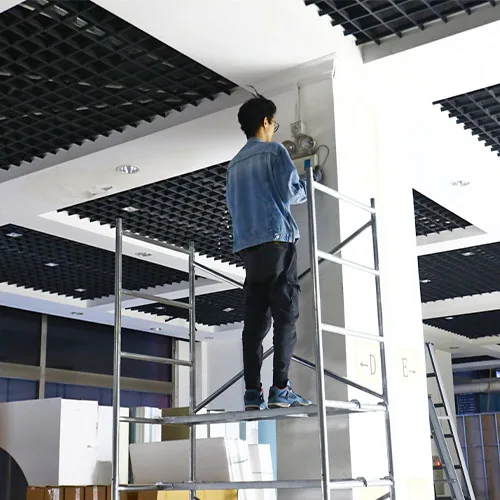
In the global construction industry, scaffolding is a critical temporary structure used for building maintenance, repair, and high-rise construction work. However, it is also one of the highest-risk work environments if not properly managed.
This is why scaffolding certification has become a mandatory requirement in many countries. It ensures that workers are trained in safe assembly, inspection, and dismantling procedures, reducing workplace accidents and improving compliance with occupational safety regulations.
From residential construction sites to large-scale infrastructure projects, certified scaffolding professionals play a vital role in maintaining structural safety and operational efficiency.
Scaffolding Certification Overview
Core Definition of Scaffolding Certification
Scaffolding certification is a formal qualification that confirms a worker has completed approved training in scaffold assembly, safety procedures, structural evaluation, and regulatory compliance.
In modern construction systems, certification is not only a training certificate but also a risk control mechanism that ensures workers understand engineering-level safety logic before operating at height.
It typically covers:
- Structural stability principles
- Load capacity understanding
- Safety inspection procedures
- Fall protection systems
- Emergency response protocols
In advanced programs, additional modules may include wind load considerations, soil stability awareness for base support, and multi-level scaffold configuration planning.
Why Scaffolding Certification Is Required
Construction Safety Concept
Construction sites involve working at height, which is classified as one of the highest-risk activities in industrial safety management systems.
According to global occupational safety reports, falls from height account for a significant portion of construction-related injuries worldwide.
Certification ensures:
- Reduced accident rates through standardized training systems
- Consistent safety practices across multinational projects
- Legal compliance with regulations (OSHA, HSE, EN standards)
- Improved coordination between teams working at different elevations
- Lower insurance and liability risks for contractors
In large-scale construction projects, certified scaffolding teams are often mandatory to meet project insurance and government inspection requirements.
Scaffolding Certification Training Structure
Training Module Framework
A typical scaffolding certification program is structured into progressive competency levels, moving from theoretical knowledge to field application.
Module 1: Basic Scaffolding Knowledge
- Types of scaffolding systems
- Material selection
- Structural design basics
Module 2: Safety Procedures
- Fall protection systems
- PPE requirements
- Hazard identification
Module 3: Assembly & Dismantling Techniques
- Step-by-step scaffold erection
- Stability checks
- Load distribution principles
Module 4: Inspection & Maintenance
- Daily inspection checklist
- Defect identification
- Repair procedures
Practical Training Concept
Hands-on training is a mandatory requirement in all recognized scaffolding certification programs.
Workers must demonstrate:
- Correct scaffold assembly under time constraints
- Safe climbing and load handling techniques
- Dynamic stability testing under simulated working conditions
- Emergency evacuation procedures
In advanced training environments, simulation towers are used to replicate real construction site conditions.
Scaffolding Certification Standards & Regulations
International Safety Standards Concept
Scaffolding certification is governed by globally recognized regulatory frameworks:
- OSHA (Occupational Safety and Health Administration – US)
- HSE (Health and Safety Executive – UK)
- EN 12811 (European scaffold structural standards)
- ISO-based construction safety management systems
These standards define:
- Minimum structural safety requirements
- Load-bearing limits and calculations
- Inspection frequency guidelines
- Fall protection system requirements
Compliance Requirement Concept
Certified workers must understand operational limits and engineering constraints such as:
- Maximum load per platform level
- Vertical and horizontal stability thresholds
- Guardrail height and spacing rules
- Anchor point strength requirements
- Fall arrest system compatibility
Failure to comply with these requirements can result in structural instability or regulatory violations on construction sites.
Certified vs Non-Certified Scaffolding Workers
Safety Performance Comparison
| Factor | Certified Worker | Non-Certified Worker |
|---|---|---|
| Safety awareness | High | Low |
| Accident risk | Low | High |
| Structural knowledge | Standardized | Unstructured |
| Compliance level | Fully compliant | Often non-compliant |
| Job opportunities | Wide access | Limited |
Workplace Efficiency Concept
Certified workers typically complete scaffolding tasks faster and more accurately due to:
- Standardized construction procedures
- Familiarity with safety systems
- Reduced error correction requirements
- Better teamwork coordination on site
This directly improves project timelines and reduces operational downtime.
Scaffolding Certification Cost & Validity
Certification Cost Structure
Costs vary depending on country and training level:
- Basic certification: low to moderate cost
- Advanced supervisor certification: higher cost
- Refresher training: periodic reduced-cost renewal
Validity & Renewal Concept
Most scaffolding certifications require renewal every:
- 2–5 years depending on regulatory authority
- Refresher courses may be mandatory for revalidation
Real-World Safety Impact of Scaffolding Certification
Construction Site Safety Improvement Concept
Studies in construction safety reports show that certified scaffold workers significantly reduce:
- Falls from height incidents
- Structural collapse risks
- Improper load distribution errors
Industry Case Example
On large infrastructure projects, certified scaffolding teams have been shown to reduce scaffold-related accidents by up to 40%–60%, according to safety audit summaries in construction compliance reports.
Scaffolding Certification vs On-the-Job Experience
Formal Training vs Practical Experience
| Aspect | Certification Training | On-the-Job Learning |
|---|---|---|
| Safety knowledge | Standardized | Variable |
| Risk awareness | High | Medium |
| Technical accuracy | Verified | Experience-based |
| Legal compliance | Certified | Not guaranteed |
Key Insight Concept
Experience alone does not guarantee compliance. Certification ensures a standardized safety baseline across all workers.
Scaffolding Certification Career Impact
Job Opportunity Expansion Concept
Certified scaffolding workers can access:
- International construction projects
- High-rise building sites
- Infrastructure development contracts
- Oil & gas industrial projects
Salary & Skill Value Concept
Certification often leads to:
- Higher wage potential
- Supervisor-level positions
- Long-term career advancement in construction safety roles
Conclusion
Scaffolding certification is a critical component of modern construction safety systems. It ensures that workers are properly trained, compliant with international standards, and capable of maintaining safe working environments at height.
As construction projects become larger and more complex, the importance of certified scaffolding professionals continues to increase, making certification not only a regulatory requirement but also a key factor in workplace safety and career development.
FAQ
What is scaffolding certification?
It is a formal training qualification that ensures workers can safely assemble, inspect, and dismantle scaffolding systems.
Why is scaffolding certification important?
It improves construction site safety, reduces accident risks, and ensures legal compliance with safety regulations.
Who needs scaffolding certification?
Any worker involved in scaffolding installation, inspection, or supervision typically requires certification.
How do you get scaffolding certification?
By completing an accredited training program that includes theoretical learning and practical assessment.
Does scaffolding certification expire?
Yes, most certifications require renewal every few years depending on regulatory standards.
What is scaffolding certification in construction?
It is a safety qualification that trains workers to assemble and inspect scaffolding structures safely.
Is scaffolding certification required to work on site?
Yes, in most regulated construction environments it is mandatory.
How long does scaffolding certification last?
Typically between 2 to 5 years depending on regional safety regulations.
How much does scaffolding certification cost?
It depends on training level, but usually ranges from basic to advanced professional certification pricing tiers.
Thank you for reading! We hope our insights help you work safely and efficiently with frame scaffolds and other construction equipment. For more updates, tips, and discussions, connect with us on Facebook. Join our community to stay informed, share experiences, and engage with fellow professionals in the scaffolding industry.